


Saudi Arabia’s fitness culture has moved beyond hobby gyms and casual lifting. It is now visible, competitive, and increasingly professional. As the Kingdom invests in sports, wellness, and global athletic presence, individual athletes are playing a key role in shaping how these disciplines are understood, both locally and internationally.
One of those athletes is Abdullah Wael Alrabiah, widely known as Abo Rabiah. His story is not just about muscle or medals. It is about identity, discipline, cultural change, and the reality behind competitive bodybuilding.
The Beginning of a Purpose
Abdullah’s motivation did not start with trophies or sponsorships. It started with anime. As a teenager, he loved Dragon Ball. He admired the characters' strength, confidence, and physical presence. What stood out to him was not fantasy. It was the idea of becoming powerful through effort and discipline. He wanted to embody that strength in real life.
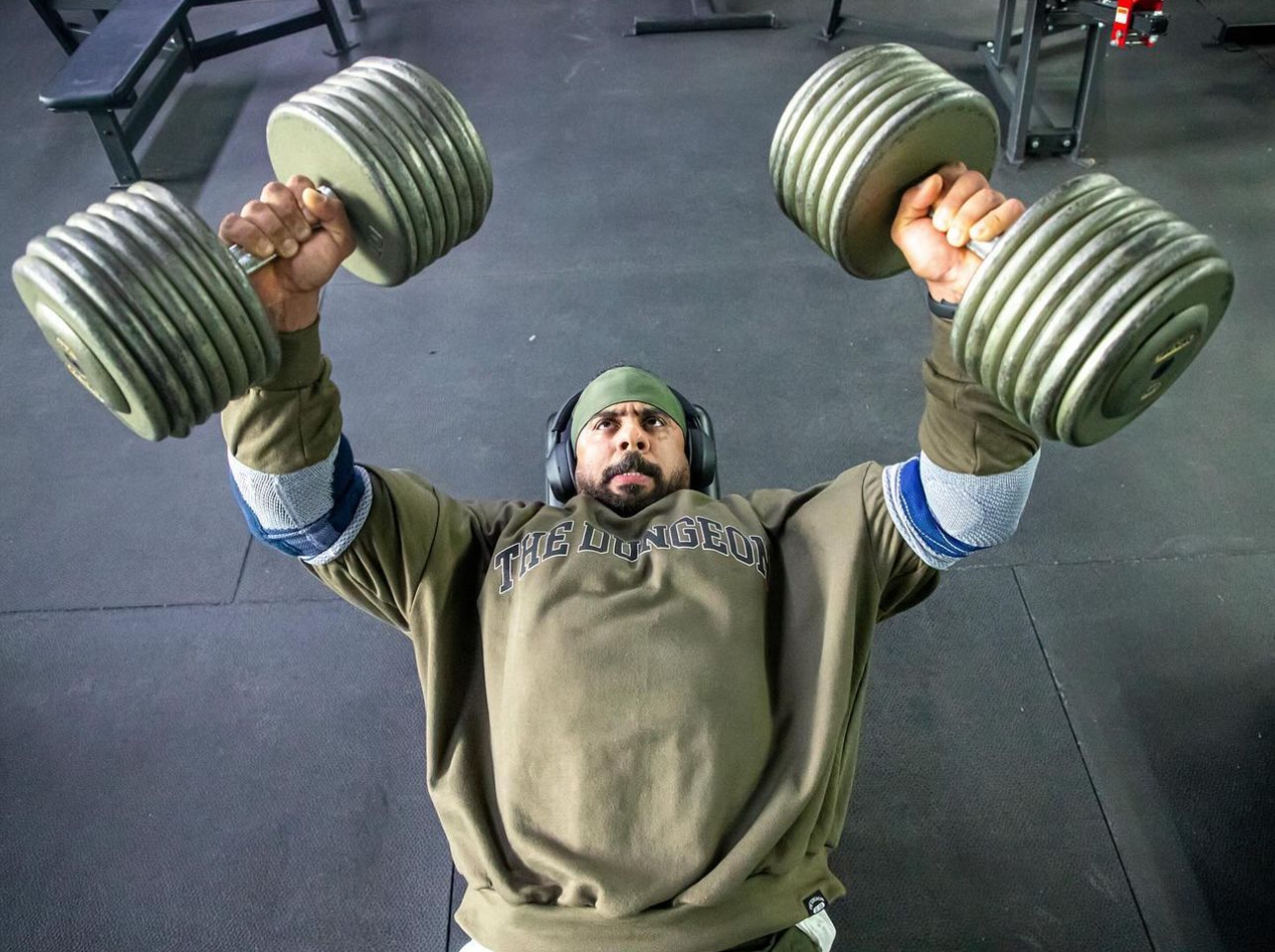
In 2005, at around 15 years old, he began weight training. At that time, gyms were not as accessible as they are today, and financial limitations were real. Abdullah wanted to train badly, but he simply could not afford it. His early commitment bordered on obsession. He and his friends would sneak into gyms, sometimes entering through windows, only to be kicked out repeatedly. It sounds humorous now, but it reveals something important: this was not a trend for him. It was a calling. Eventually, his family stepped in. His father paid for his first official gym membership, a moment Abdullah still credits as a turning point. That support gave structure to something that had already taken root internally.
Changing Perceptions: Family, Culture, and Acceptance
In the early years, bodybuilding was not widely understood in Saudi households. A muscular young man was often viewed as someone meant for physical labor, lifting heavy items, carrying supplies, but not as an athlete pursuing a structured sport. Abdullah witnessed that misunderstanding firsthand. But over time, perceptions changed.
As bodybuilding gained recognition and clearer standards, his family’s understanding evolved. Today, he jokes that his mother critiques his competition form, commenting that he is “not dry enough.” It is a small but telling detail, one that reflects a broader cultural shift. Bodybuilding in Saudi Arabia is no longer strange or marginal. It is becoming normalized, respected, and evaluated seriously.
Bodybuilding is a System, Not Just a Social Media Trend
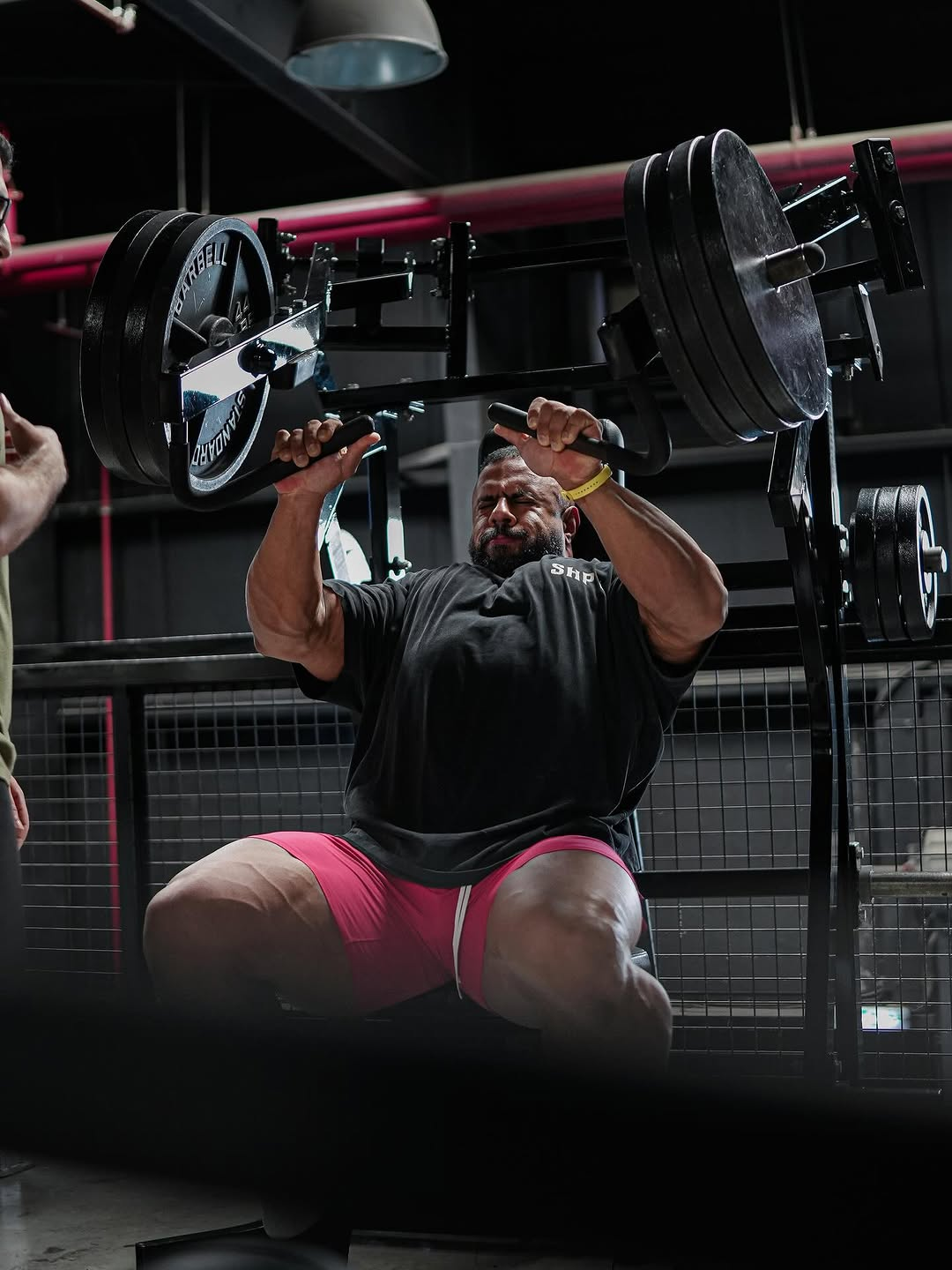
Abo Rabiah is careful to explain bodybuilding accurately. He rejects the idea that it is simply about “being big” or posting gym photos online. Competitive bodybuilding is divided into distinct categories, including:
- Physique
- Classic Physique
- Bodybuilding
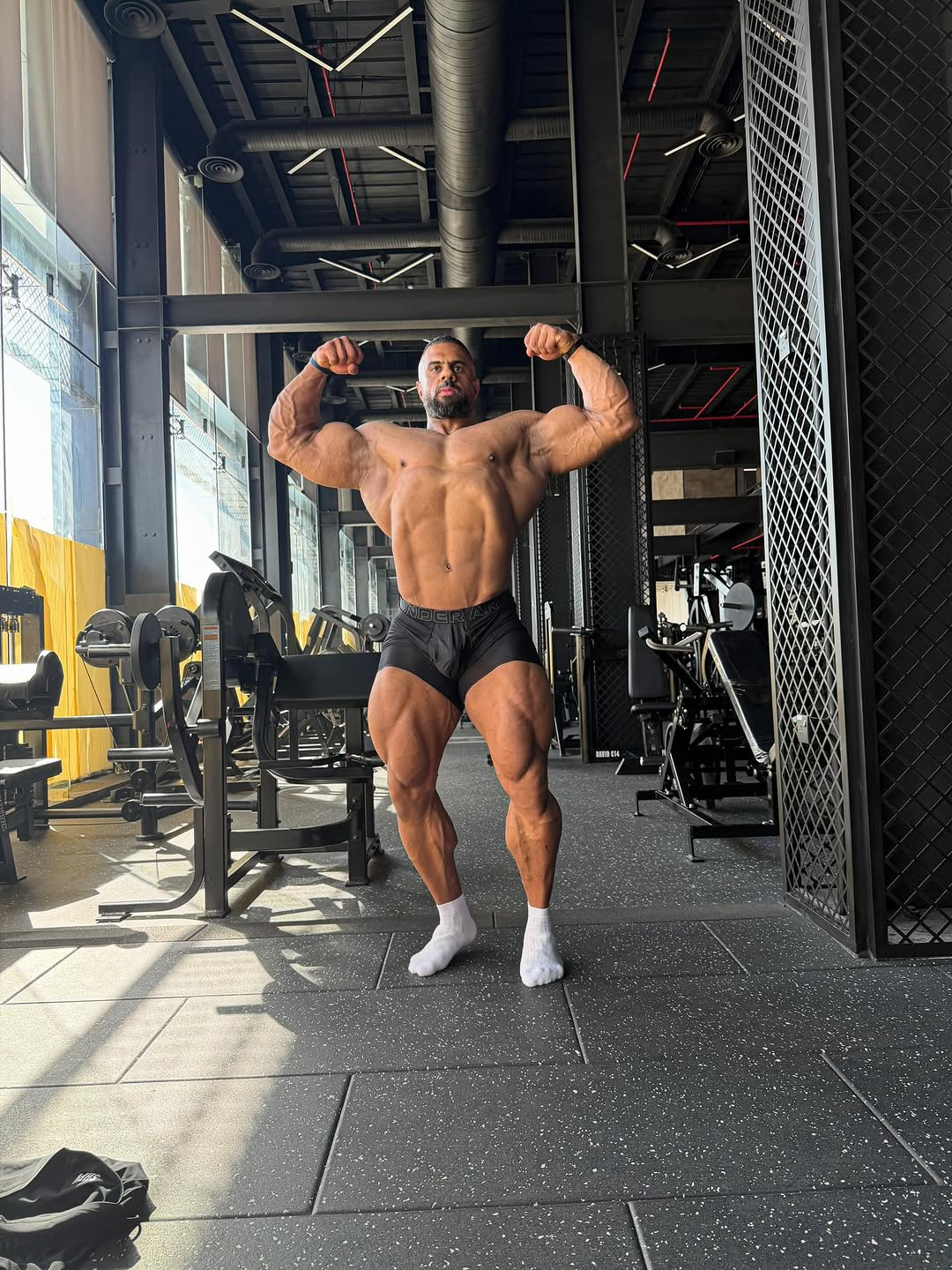
Each division has its own criteria. Athletes are judged on:
- symmetry and proportion
- muscle shape and flow
- conditioning and dryness
- stage presence and posing
Winning is not about size alone. It is about balance, control, and presentation. One critical reality many overlook is time. On stage, athletes may have only a few minutes, sometimes seconds, to present years of work. In that brief window, mistakes cannot be corrected. This is why Abdullah emphasizes showmanship. Many athletes have excellent physiques but fail to present them properly. Posing, angles, confidence, and control under pressure can determine outcomes. For professionals beyond sport, the lesson is universal: results matter, but how you present them under pressure matters just as much.
Thirteen Years of Work and a Fast Professional Leap
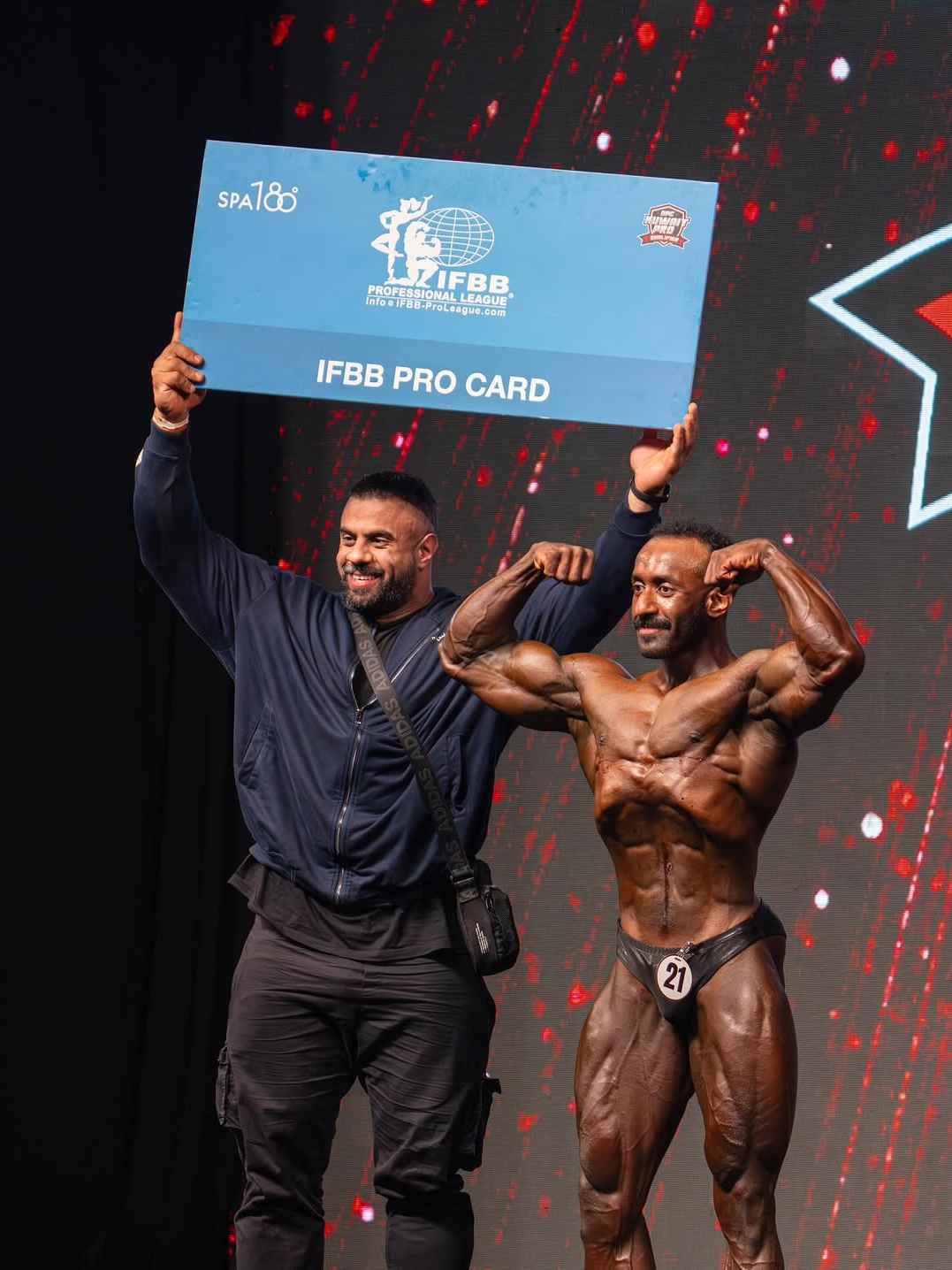
Abdullah’s journey reflects long-term consistency. He trained for 13 years, driven by passion, discipline, and ambition. That foundation allowed him to move quickly when the opportunity came. In less than nine months of focused preparation, he earned his first professional card in Classic Physique. To outsiders, it may look like rapid success. In reality, it was the visible result of years of unseen work. The lesson is clear: speed becomes possible only after depth is built.
2022: A Saudi Milestone at Olympia
In 2022, Abdullah reached one of the highest stages in global bodybuilding: Olympia. He became the first Saudi professional athlete to compete at Olympia, a milestone that carried national significance. Olympia represents the peak of the sport, where global standards are defined and legacies are built.
For Saudi Arabia, his appearance signaled something larger: Saudi athletes belong on the world stage, not as exceptions, but as competitors. What makes this achievement more meaningful is Abdullah’s mindset afterward. He does not treat Olympia as the finish line. He views it as the beginning of a longer journey, one that requires continued growth and contribution.
A Content Engine Built on Training and Lifestyle
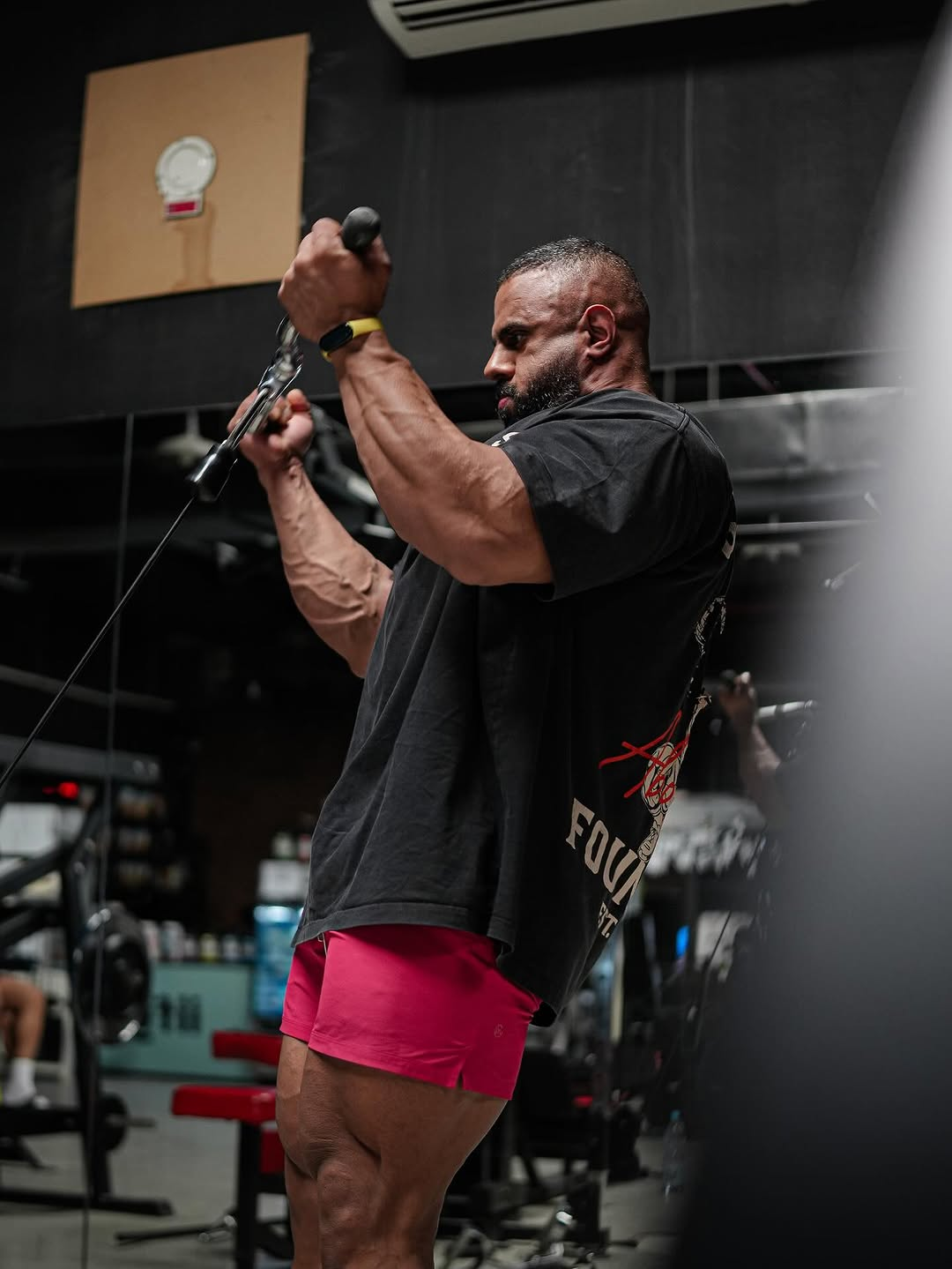
Abo Rabiah doesn’t present bodybuilding as a single before-and-after transformation. Instead, he turns it into ongoing, episodic content across Instagram, TikTok, and YouTube. His videos combine practical training education such as leg-day coaching, form corrections, and technique breakdowns, with high-intensity challenges, including extreme calorie targets and demanding workout routines. Alongside this, he documents the competitive side of the sport, sharing prep phases, mindset shifts, and the pressure-filled energy of competition days.
Beyond the gym, he adds lifestyle and travel storytelling. Training camps, Dubai trips, moments from Spain, and behind-the-scenes vlogs give audiences context and personality, not just workouts. These videos are supported by strong thumbnails, clear hooks, and episodic titles that encourage viewers to return for the next chapter. The result is a creator-athlete brand that feels intentional and engaging. Rather than chasing viral moments, Abo Rabiah builds continuity, growing not just an audience, but a loyal fitness community that learns, stays entertained, and remains invested in the journey.
Abo Rabiah’s Founder Move with Shpooov Gym
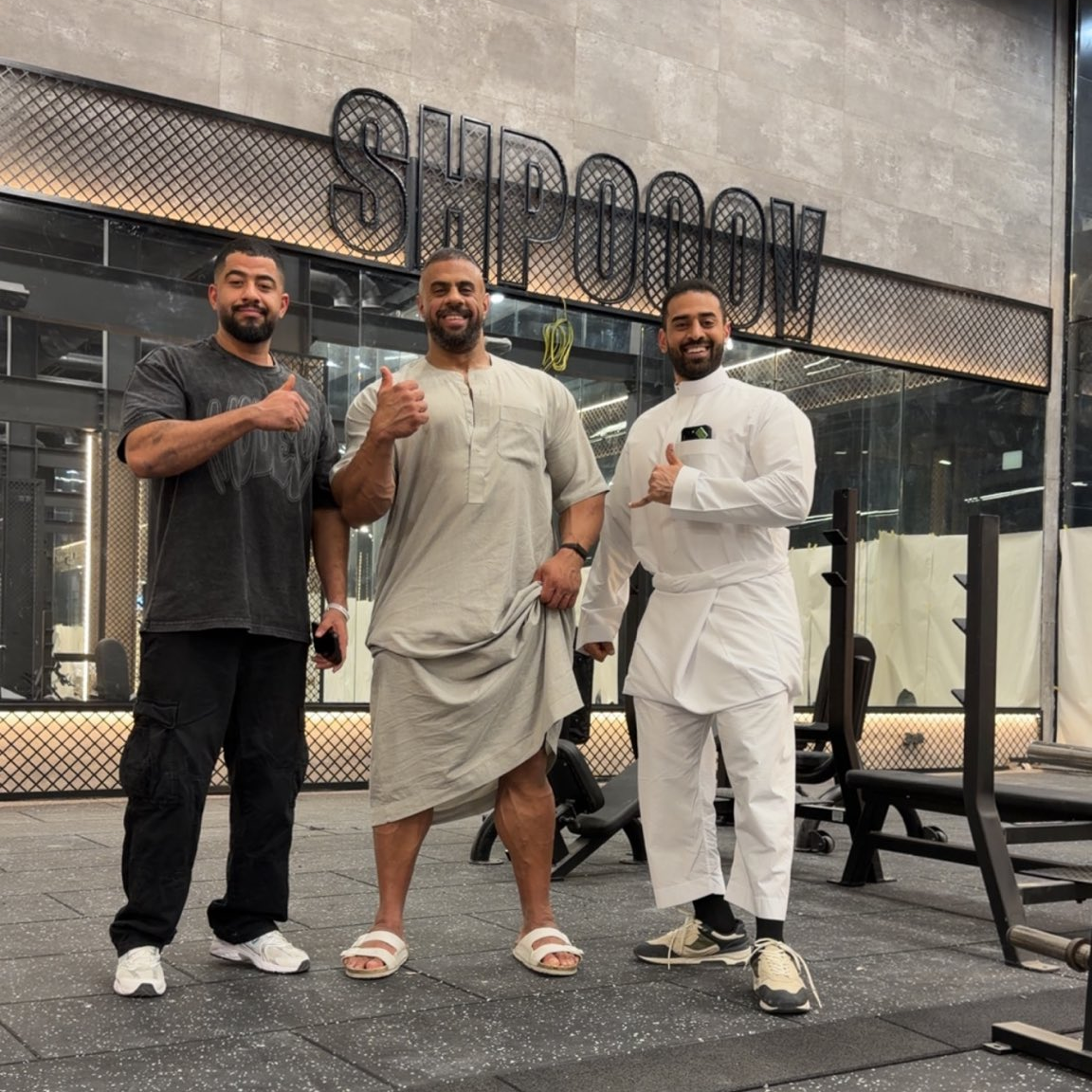
Abo Rabiah didn’t keep his influence online. He brought it into the real world by founding Shpooov Gym in Riyadh, a hardcore, old-school space built for serious training and real results. The concept is built around focus and coaching: fewer distractions, better form, and a motivating environment led by experienced trainers, with Abo Rabiah present when he can be.
Shpooov is designed as more than a room full of machines. He describes a full training experience that supports consistency, carefully selected equipment (around 90-100 machines planned), cardio, recovery features like a sauna and cold room, and on-site food options, plus a corner built for content and media. At its core, his message is simple: this isn’t a profit-first gym. It’s a standards-first one built to help people train correctly, build real progress, and thrive in a culture that pushes you forward whether you’re new to lifting or already experienced.
From Athlete to Advocate
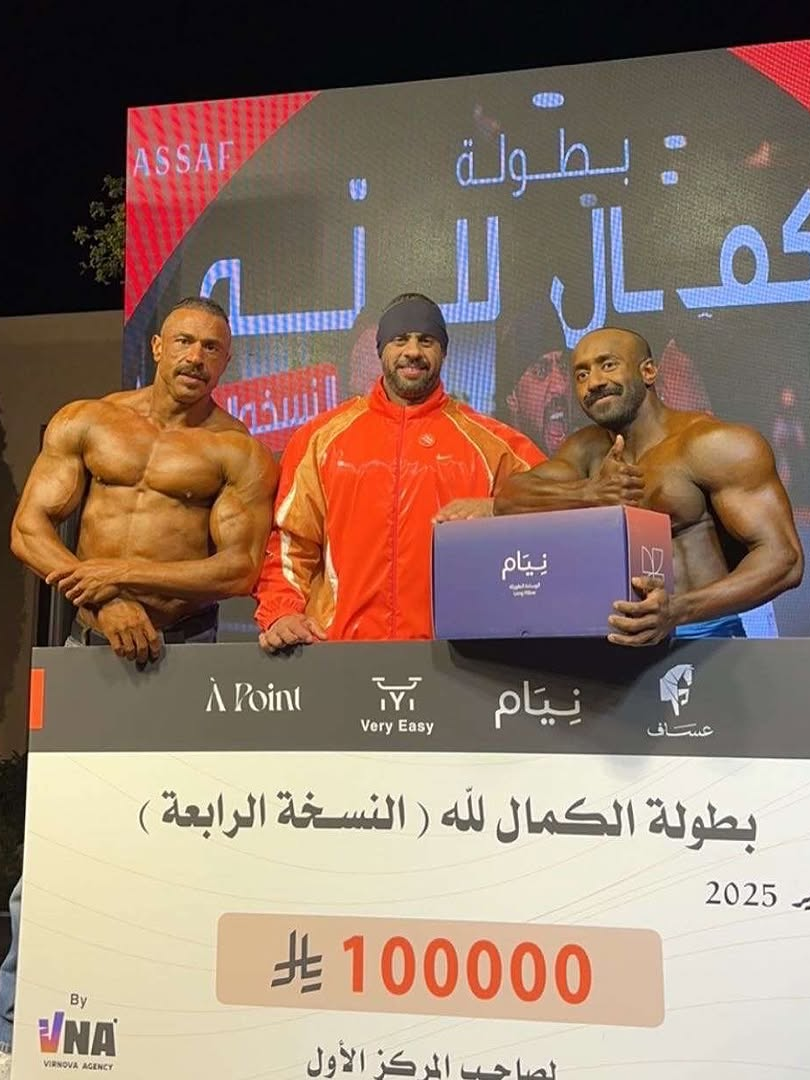
One of Abdullah’s clearest messages is directed at those shaping the sport: sponsors, federations, and decision-makers. He highlights the imbalance between the heavy demands of competition preparation and the limited structural support athletes receive, explaining why many struggle to sustain long-term careers despite talent and discipline. He challenges the idea that sponsorship equals product giveaways, emphasizing that the real need lies in comprehensive support systems that cover preparation, travel, coaching, and recovery.
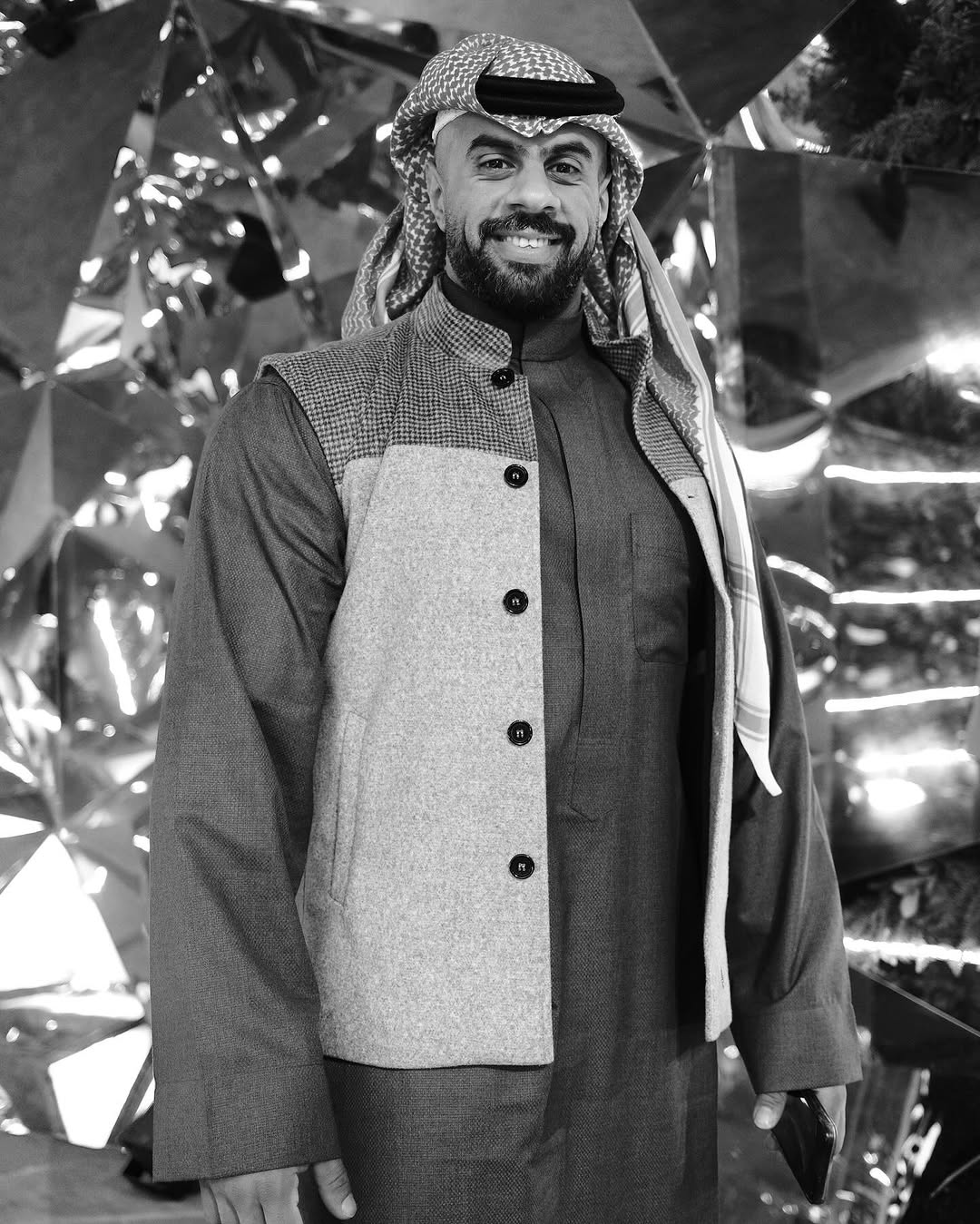
Importantly, he speaks not just for himself but for the wider athlete community, positioning his message as a call to build smarter, more sustainable frameworks for the future of the sport. This is where he moves from competitor to leader.
A Saudi Story Worth Celebrating
Abdullah represents a new generation of Saudi athletes:
- Globally inspired, locally grounded
- Honest about sacrifice
- Competitive at the highest level
- Committed to community growth
His story mirrors Saudi Arabia’s broader sports evolution, moving from passion to professionalism.
Vision 2030, Lived in Real Life
Abdullah Wael Alrabiah’s journey mirrors what Vision 2030 is unlocking: sport as a serious pathway, not a side hobby. He started with limited resources, built world-class standards through discipline, and carried Saudi Arabia's presence onto the Olympia stage, showing that local talent can compete globally. Beyond medals, his consistent content educates, motivates, and normalizes high-performance fitness for the wider public, helping turn healthier lifestyles and athlete careers into a real, growing sports economy.
For young Saudis, the message is clear: master your craft, learn how to present it, understand the economics, and when you rise, lift others with you. That is how a passion becomes an industry.
Follow Abo Rabiah across X, Snapchat, Instagram, and YouTube to see his training, challenges, and competition prep in real time.
For more Saudi sports stories, follow Riyada Hub for real progress, sharp insights, and weekly inspiration.


