

Saudi Arabia's spors industry is progressing fast. More athletes are stepping into spaces that once felt out of reach. Few stories capture that shift as clearly as Raneem Al-Faraidy’s. Raneem is a Saudi para athlete who has built her identity around movement, resilience, and steady progress. Living with mild cerebral palsy, she has grown from local participation into national competition, continental results, and a visible role in a wider story about inclusion in the Kingdom.
From a Personal Challenge to a Public Path
Raneem presents herself openly as a para athlete. She has publicly identified with mild cerebral palsy and embraced the language of swim, bike, and run that defines endurance sport. Her early public journey points to Dammam, where cycling became more than a hobby. In one of the earliest documented stages of her athletic path, she took part in a 100-meter cycling race during an awareness event connected to disability sport. The moment was notable as she became the first Saudi woman with cerebral palsy to participate in that setting.
What makes that milestone powerful is not only the race itself. It is what sport meant to her at the time. Movement began as something practical and deeply personal. It supported her body. It improved how she felt. It helped shift sport from therapy into self-belief. That transition is often where real athletic identity begins.
Support that Made the Journey Possible
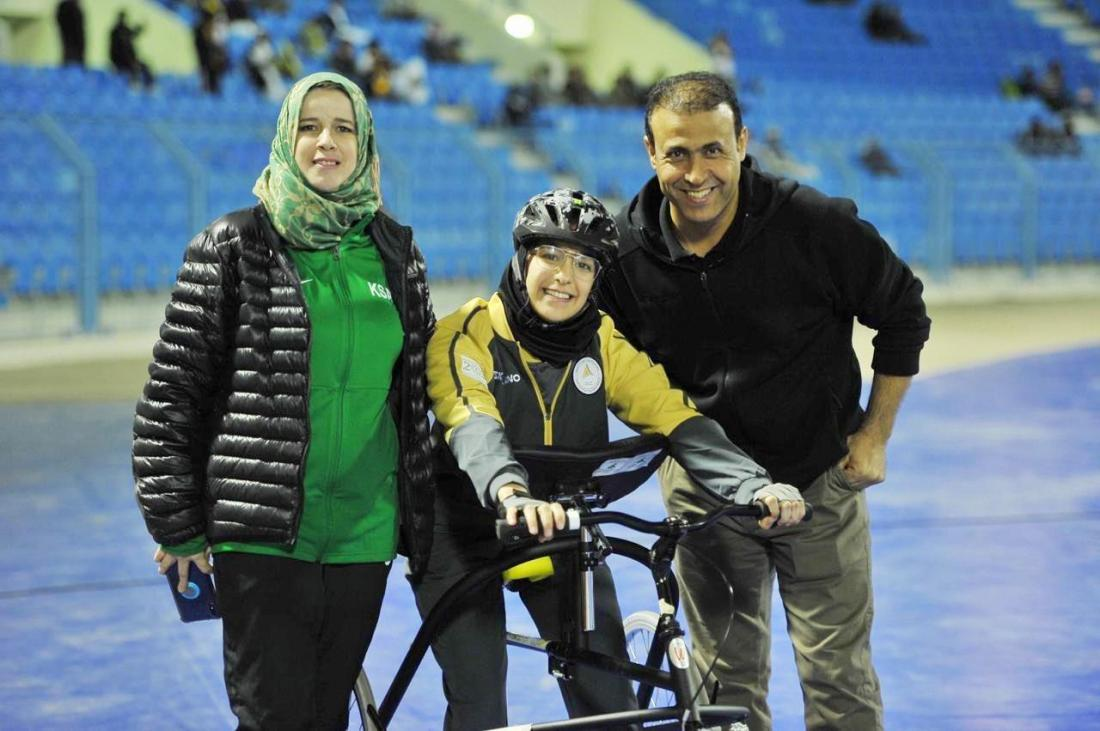
Raneem Al-Faraidy’s progress reflects an important truth about high-performance sport in Saudi Arabia today: athletes do not rise alone. Behind her journey is a strong foundation of support, particularly from her family, who recognised early on the physical and emotional value sport brought into her life.
That encouragement played a meaningful role in shaping her path. In Saudi Arabia’s evolving sports culture, this kind of backing matters. Family support often becomes the first platform, building confidence, enabling consistency, and allowing athletes to pursue their ambitions with belief.
The Rise of a Competitive Para Athlete
A major turning point came when Saudi Arabia began building more formal para triathlon pathways. During the Kingdom’s first para triathlon coaches’ certification course and development camp, Raneem was identified as a young athlete from Dammam. At that stage, she spoke about how she had not imagined triathlon as something she could do until she entered that environment.
That moment is bigger than one athlete trying a new sport. It reflects how opportunity works. Sometimes talent exists before the pathway does. Once the pathway appears, talent can move. Raneem’s story shows what happens when a national sports ecosystem opens new doors and athletes are ready to step through them.
Turning Promise into Results
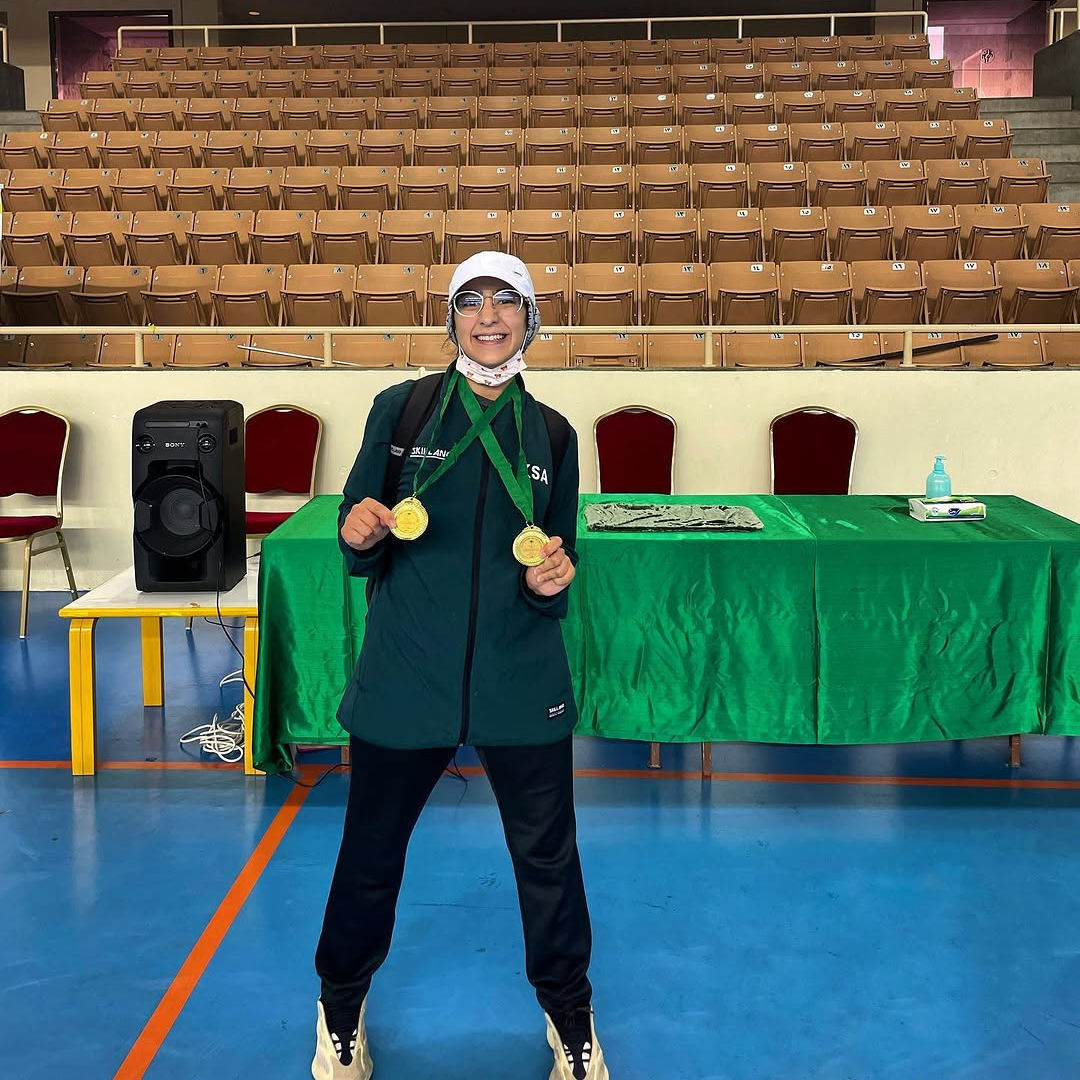
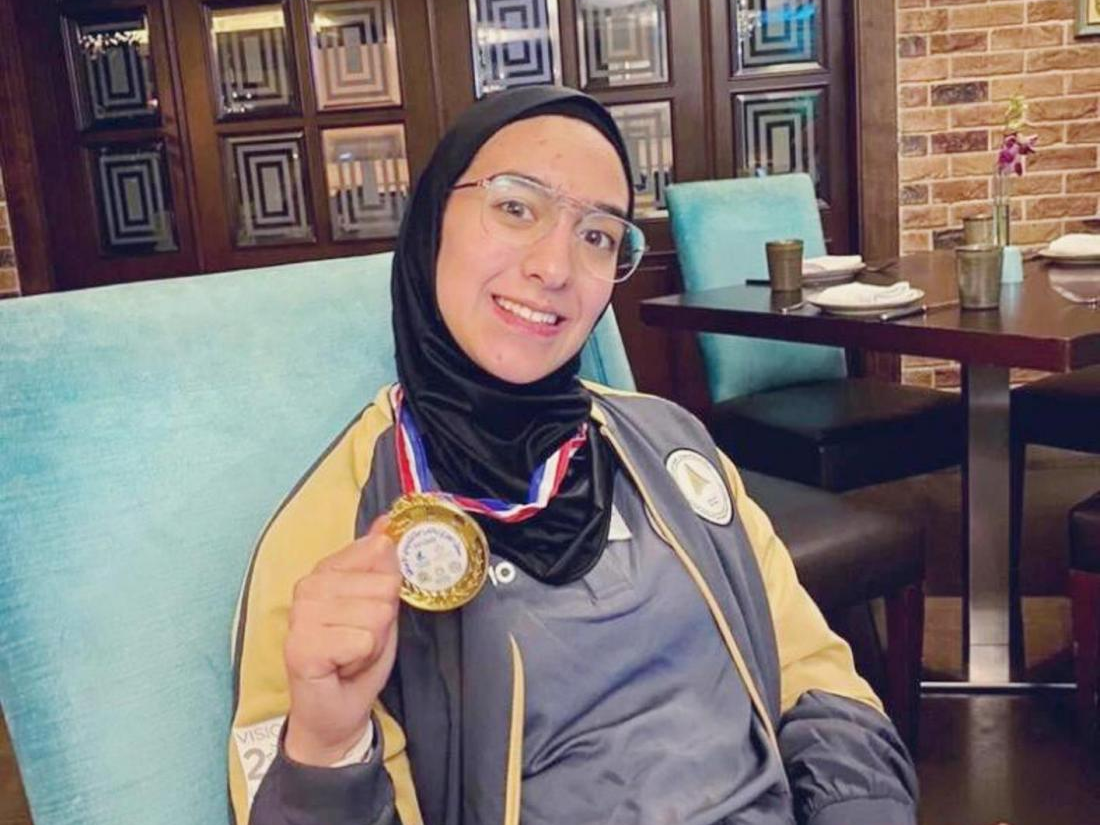
By 2023, that early exposure had turned into a measurable result. Raneem Al-Faraidy won at the 2023 KSA Para Triathlon National Championships. In Al Khobar, she took first place in the PTS2 women’s category with a time of 2:05:36. This was a defining step. National titles show that potential has become performance. They also show that the athlete is no longer simply part of a development story. She is now part of a results story.
For Saudi para sport, that distinction is important. The Kingdom is not only increasing participation. It is beginning to produce competitive pathways, winning moments, and athletes whose progress can inspire the next wave. Raneem Al-Faraidy stands firmly inside that shift.
Expanding Into Cycling and Endurance
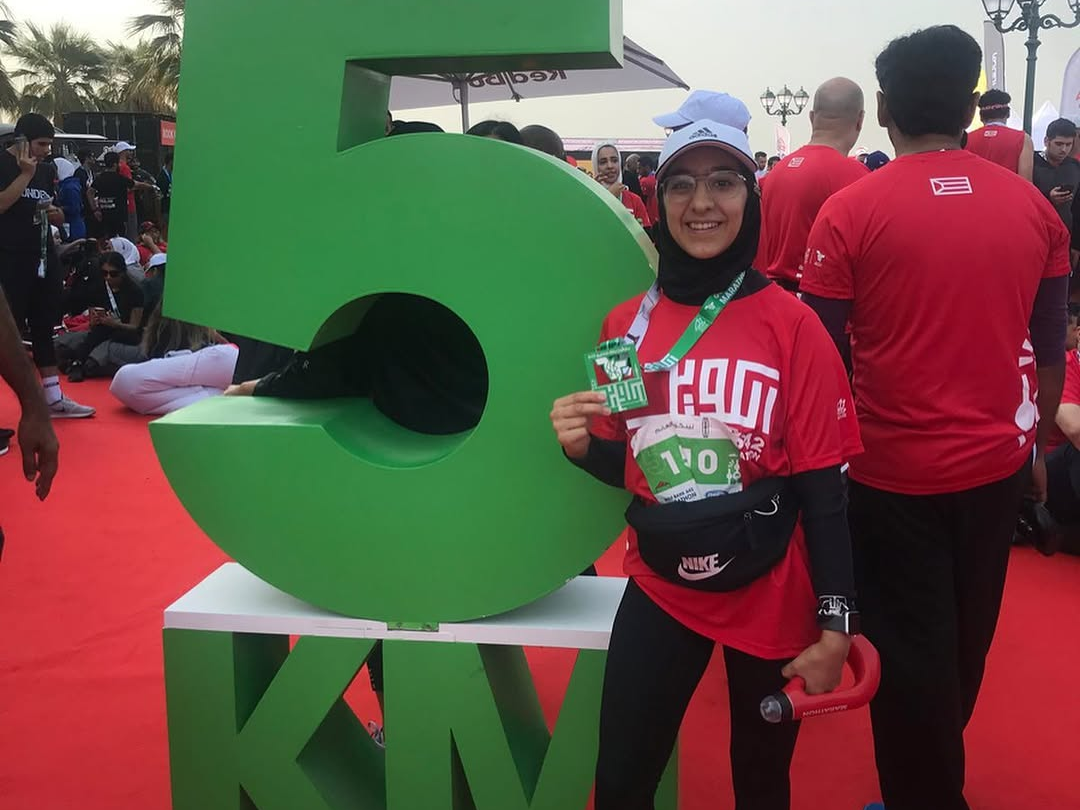
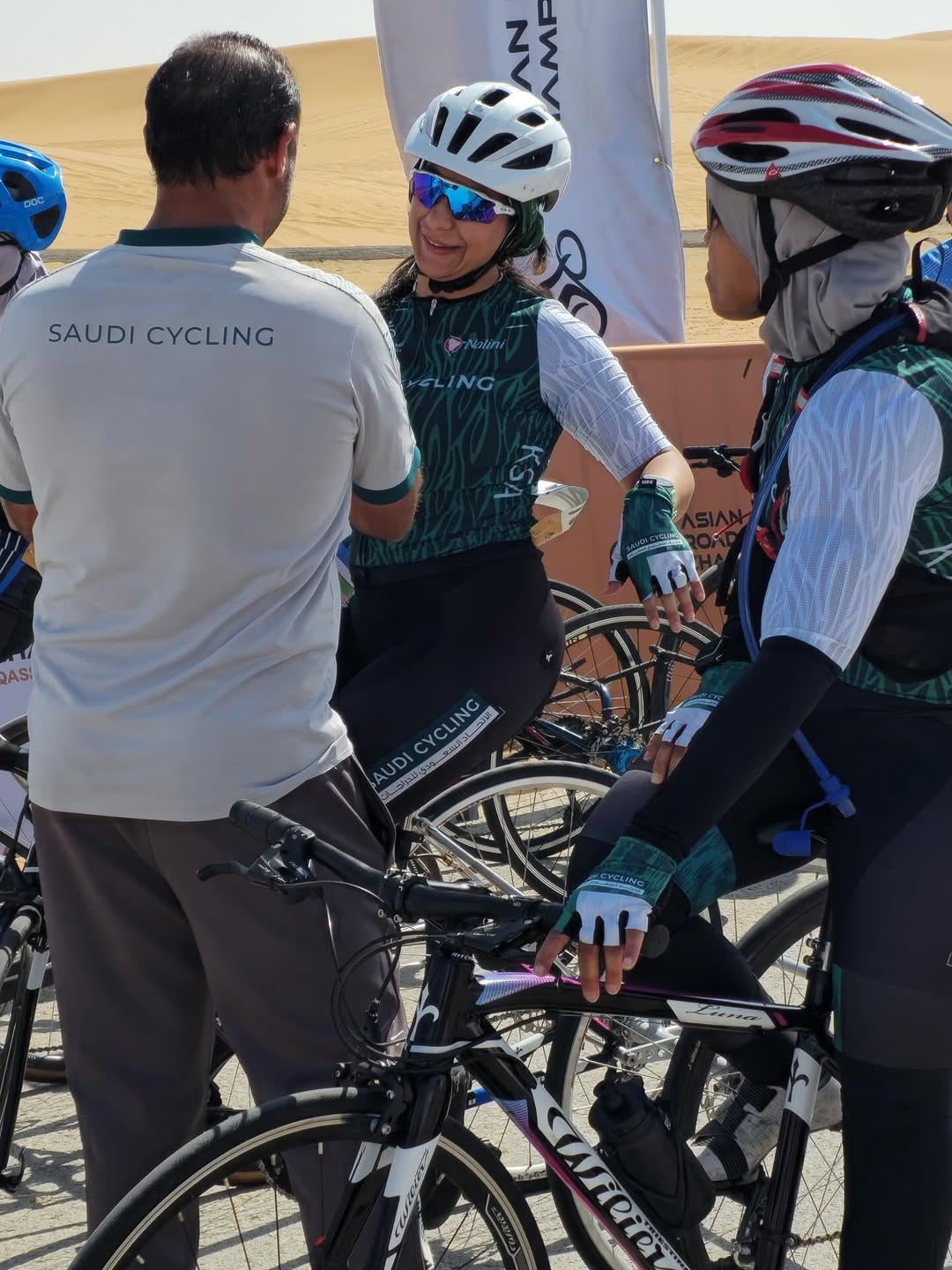
Raneem’s public athletic identity has never felt limited to a single lane. Her profile language and achievements suggest a broader endurance mindset. Triathlon gave her an early competitive frame, but cycling has emerged as one of the clearest arenas of her recent progress.
That multi-discipline profile is worth noticing. Endurance athletes often build not only physical capacity, but also mental flexibility. They learn to move between environments, training demands, and forms of challenge. Raneem’s journey reflects exactly that kind of growth.
Two Silver Medals on the Asian Atage
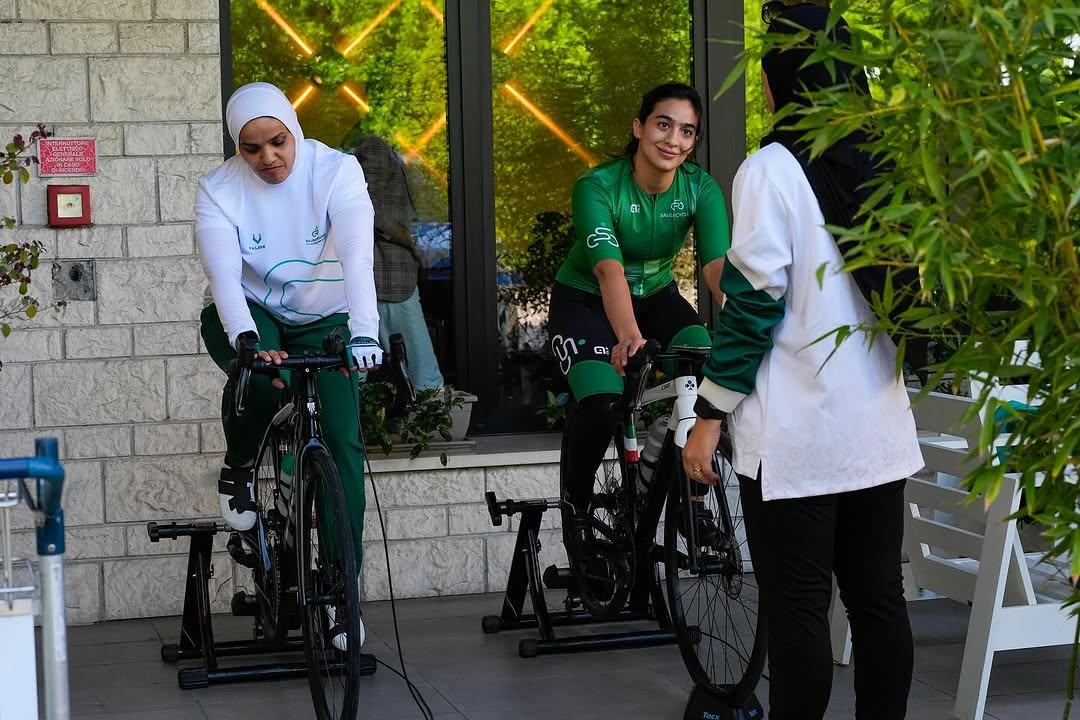
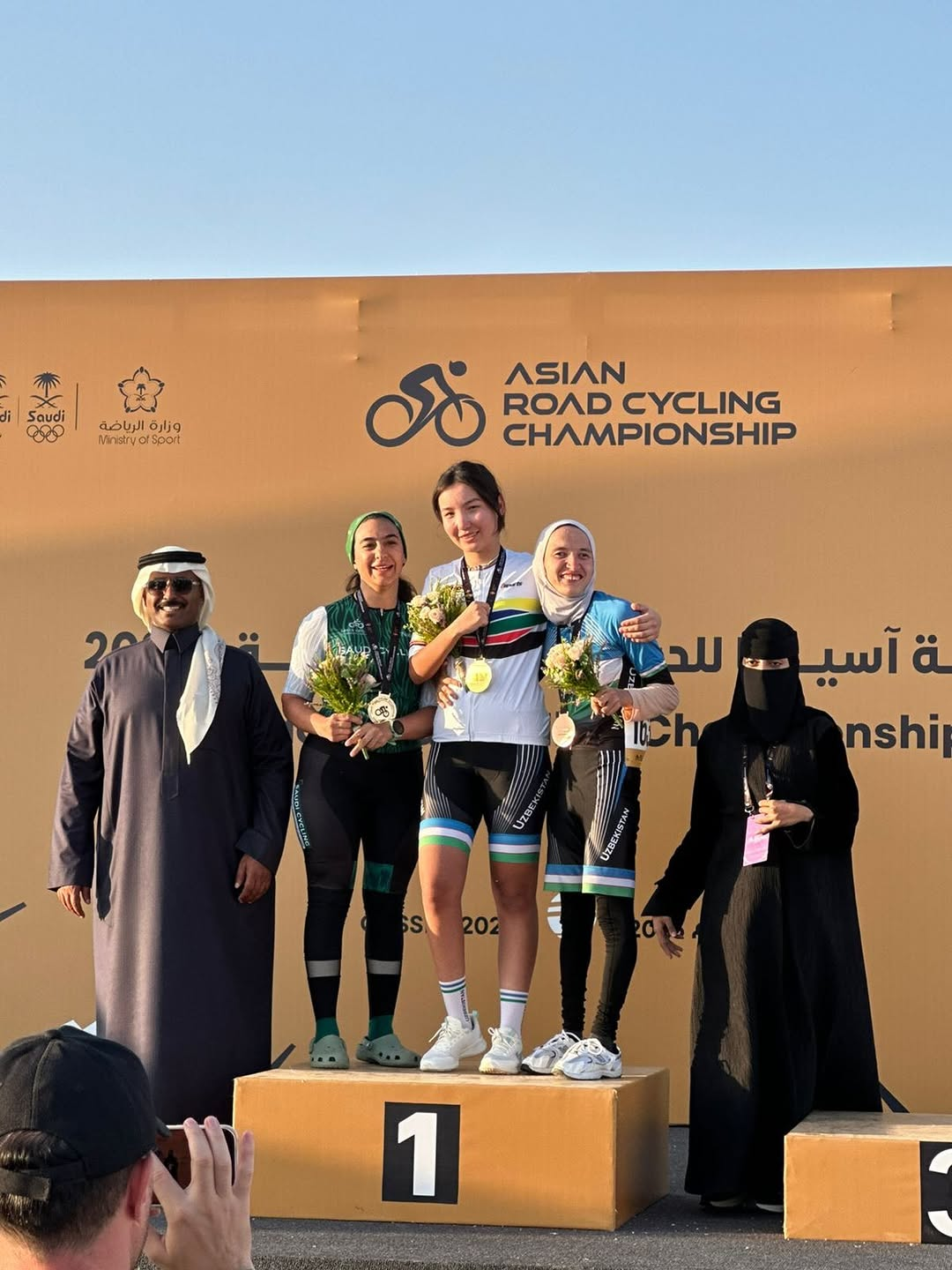
Raneem Al-Faraidy’s progress became even clearer in Qassim, where she announced that she had won two silver medals at the Asian Road Cycling Paralympic Championship. One came in the time trial. The other came in the road race.
These results placed her on a continental podium and showed how far her journey had moved beyond local and national competition. They also reflected a wider shift in Saudi sport. Each podium finish by a Saudi para athlete expands visibility, raises standards, and strengthens the presence of inclusive sport across the region.
2 Medals in Para Cycling Road World Cup 2026
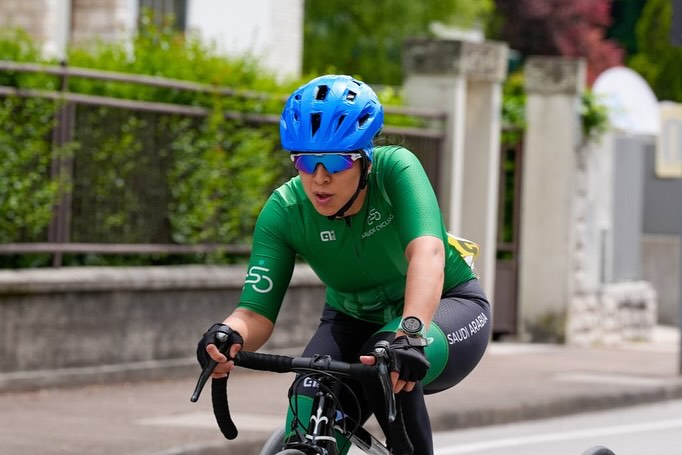
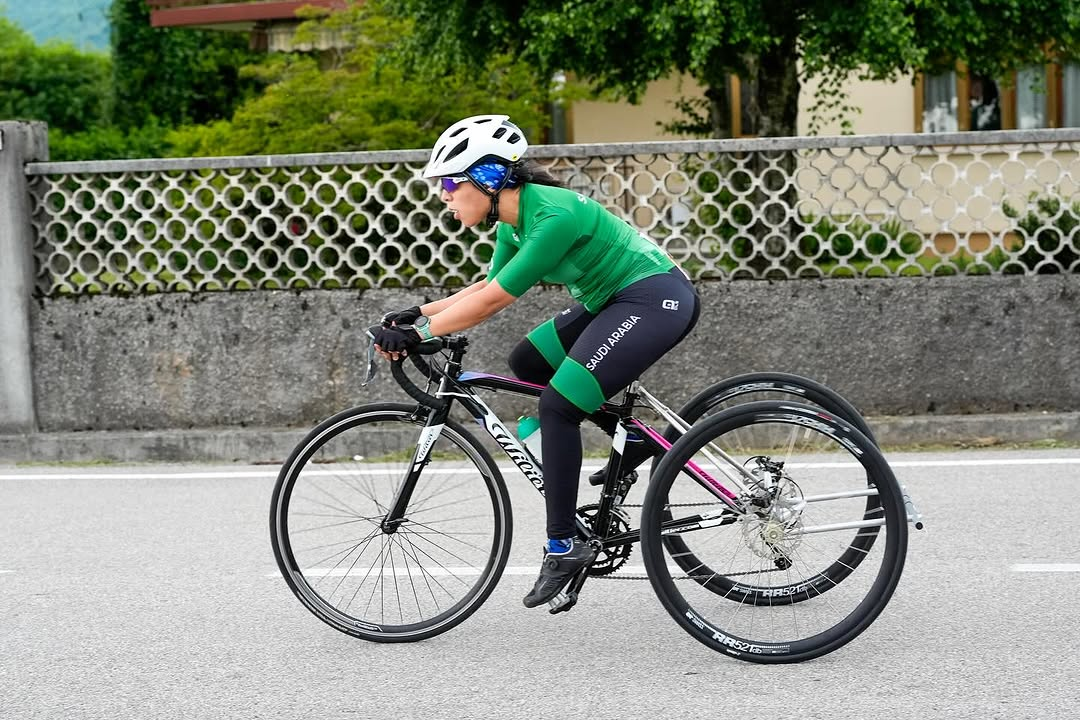
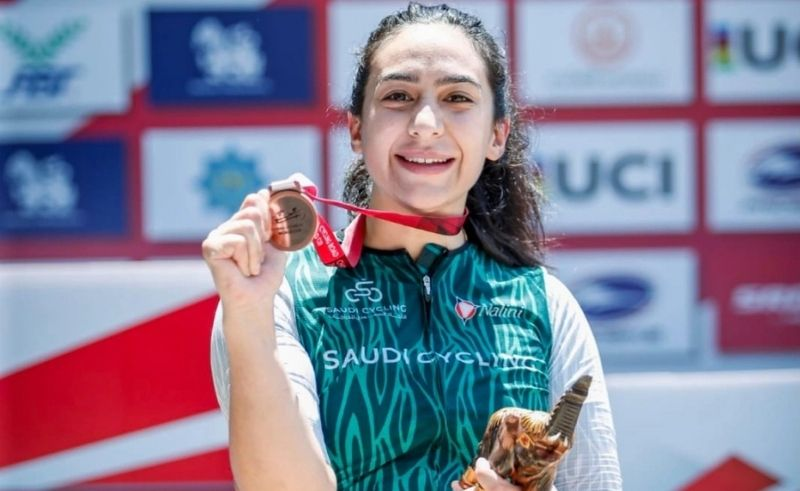
Raneem’s rise in cycling came alongside an important step forward for Saudi para cycling on the international stage. In 2026, Saudi Arabia’s para cycling team won multiple medals at a World Cup event, with Raneem taking bronze on the first day and silver on the second.
Her bronze placed her among the athletes behind one of Saudi cycling’s landmark international results. In a sport still building its pathways and presence, podium finishes like these help mark a new phase of growth. They show Saudi para athletes competing with confidence at a higher level and give the country another clear sign of progress in elite inclusive sport.
More Than an Athlete
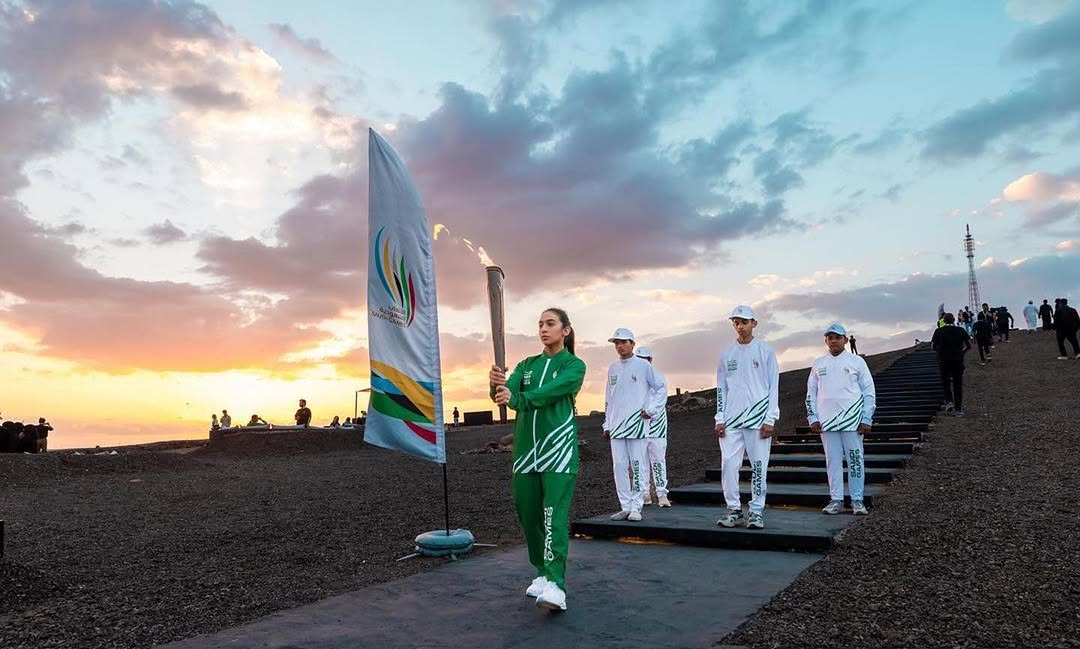
Raneem Al-Faraidy’s public presence extends beyond competition. In AlUla, she had the honor of receiving the torch of the Saudi Games at Matal Al-Hara. It was a moment of recognition and visibility, placing her in a role that reflected trust as well as achievement.
She appears not only as a competitor, but as a figure who represents the energy of Saudi sport in a time of national momentum. As the Kingdom continues to invest in participation, excellence, and sports culture, moments like this show how athletes can carry meaning far beyond the podium.
Kilimanjaro and the Endurance Mindset
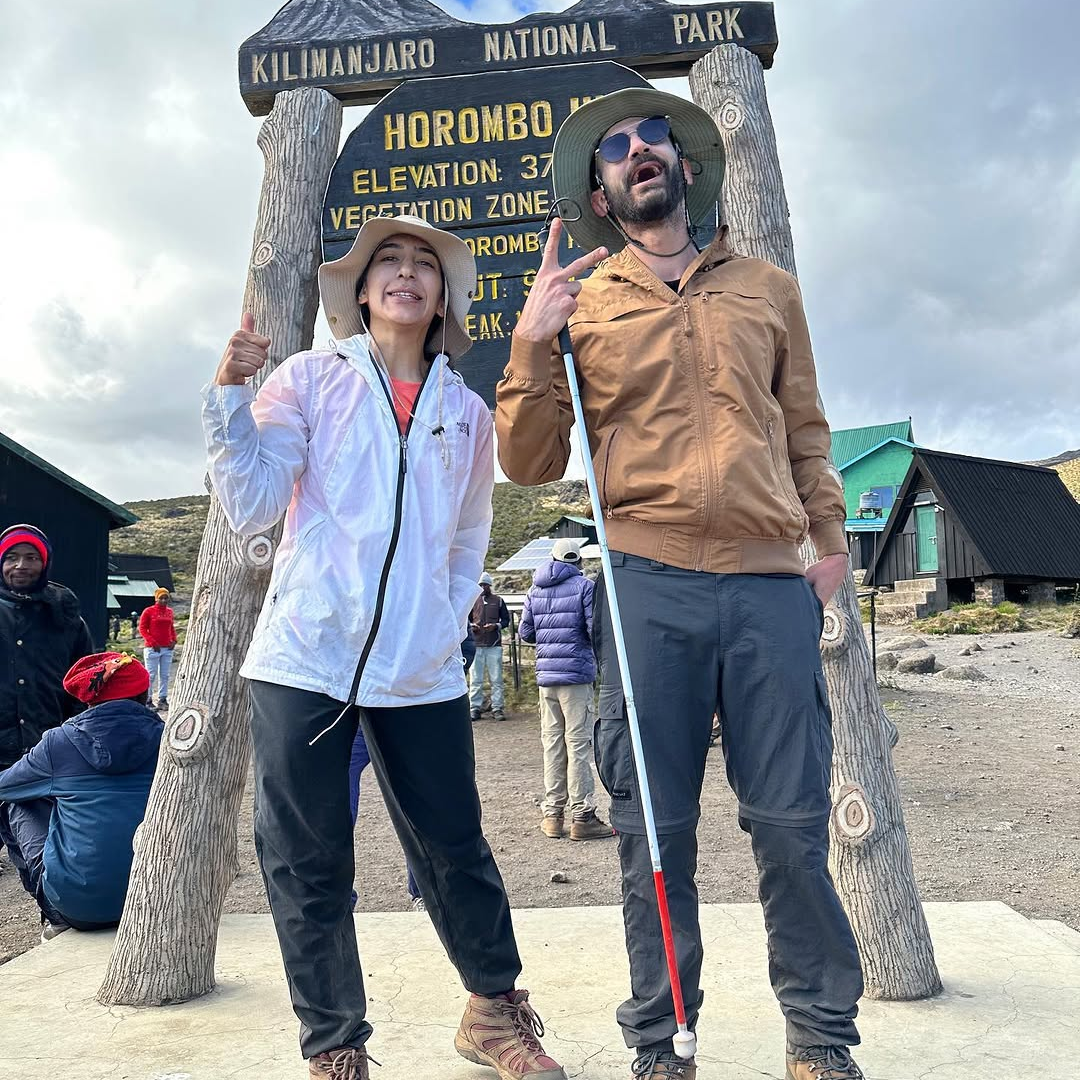
Another side of Raneem’s journey appeared in her climb to Kibu on Mount Kilimanjaro at 4,700 meters. The achievement added a different dimension to her story and showed that her connection to endurance goes beyond formal racing.
It revealed a mindset shaped by challenge, discipline, and the willingness to step into demanding environments. Her journey is not defined only by medals or finish lines. It is also shaped by the choices she makes to test herself, grow through difficulty, and keep moving toward higher ground.
Vision 2030 on the ground
Raneem Al-Faraidy's journey reflects several Vision 2030 themes in real terms: inclusion, local talent development, institutional growth, and broader participation in sport. She stands at the intersection of personal courage and national change. That is why her story travels well beyond race results. It speaks to the kind of Saudi future now being built.
Final Reflection
Raneem Al-Faraidy deserves to be introduced to the world not only as a medal-winning Saudi para athlete, but as a symbol of what happens when belief meets opportunity. Her story carries the strength of personal struggle, the discipline of endurance sport, and the promise of a country widening the path for more people to belong and excel.
She has moved from local participation to national victory. From discovery to continental competition. From private challenge to public representation. That arc is powerful on its own. In Saudi Arabia today, it is even more powerful because it reflects a larger truth: the future of sport in the Kingdom will be shaped by athletes who expand the definition of who can lead it. Raneem is one of them.


