



Saudi Arabia’s sports transformation is not only happening in stadiums, arenas, and racetracks. It is also happening on snow. Fayik Abdi, represents one of the Kingdom’s most unexpected sporting stories. He moved from football dreams to alpine skiing. He entered his first ski race at 23. Less than a year later, he became Saudi Arabia’s first Winter Olympian. His journey shows what happens when personal courage meets national ambition.
From Football to the Slopes
Born in San Diego, California, to Saudi parents, Fayik grew up with an international connection to skiing. Family trips with his mother to Lebanon and Europe introduced him to the mountains early, and skiing became part of his life from childhood. He later moved through the U.S. education system and graduated from the University of Utah, where his passion for skiing deepened near some of America’s best mountain terrain.
During his school years, he played football at IMG Academy, then continued the sport at university level before reconnecting deeply with skiing near the slopes of Snowbird. After graduating in December 2020, he returned to Saudi Arabia, searched for ways to ski in the Kingdom, and unexpectedly began the journey that would lead him toward NEOM, the Saudi winter sports program, and Olympic qualification.
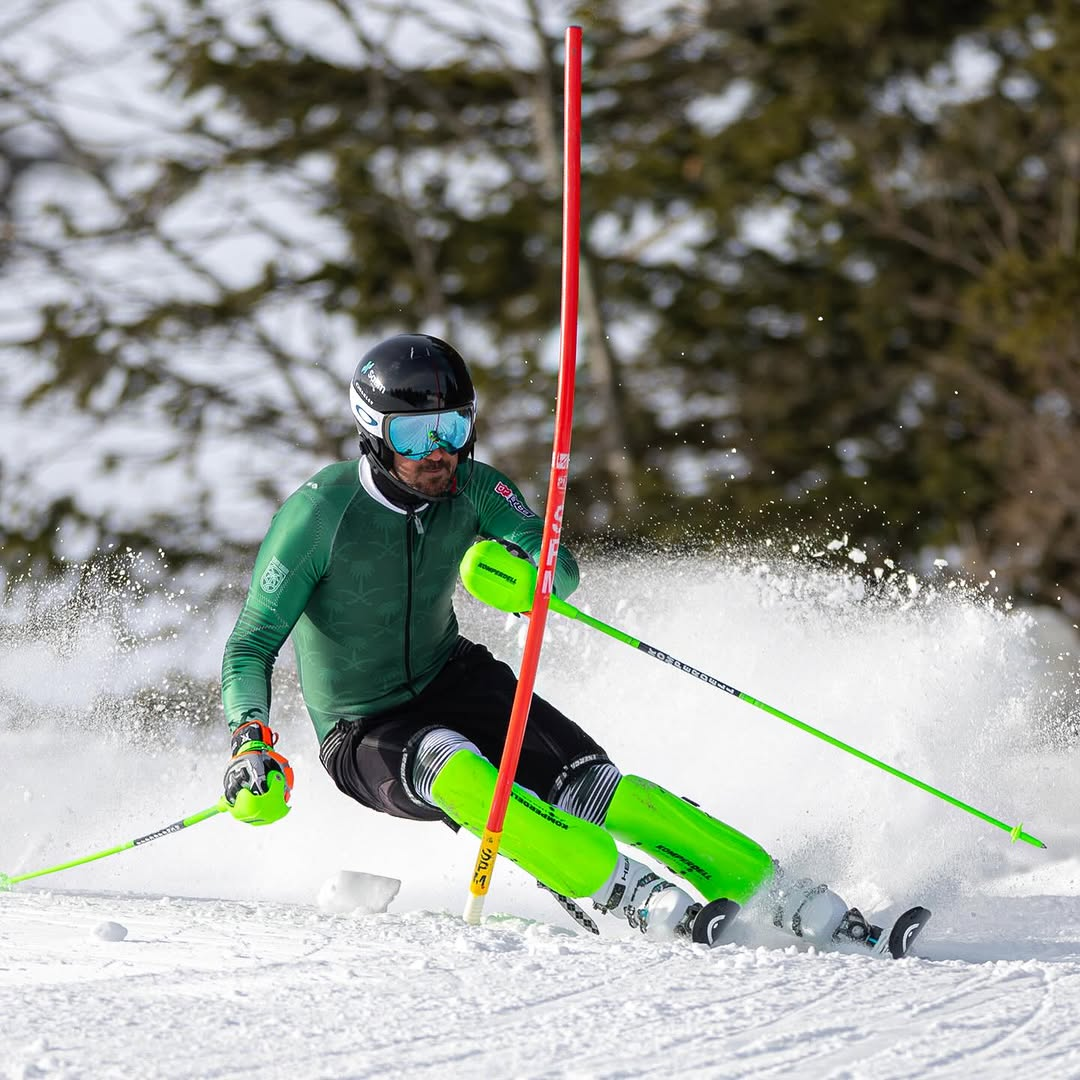
The Turning Point: Searching for Skiing in Saudi Arabia
After graduation, Fayik returned to Saudi Arabia in January 2021. He was not yet a professional skier. He was not following a clear Olympic plan. But he knew skiing would remain part of his life. So he searched for skiing in Saudi Arabia. That simple step opened a door. He connected with people in the local skiing scene and was later invited to NEOM to film a ski clip on a mountain with snow. At the time, he was a fresh graduate who loved skiing. He had not yet entered alpine ski racing. He had never worn race skis or race boots.
While in NEOM, he learned that a winter sports federation had recently been created in Saudi Arabia. Soon after, he met the federation. They asked if he would be interested in training to try to qualify for the Beijing 2022 Winter Olympics. He said yes immediately. That decision changed his life. It also helped open a new chapter for Saudi sport.
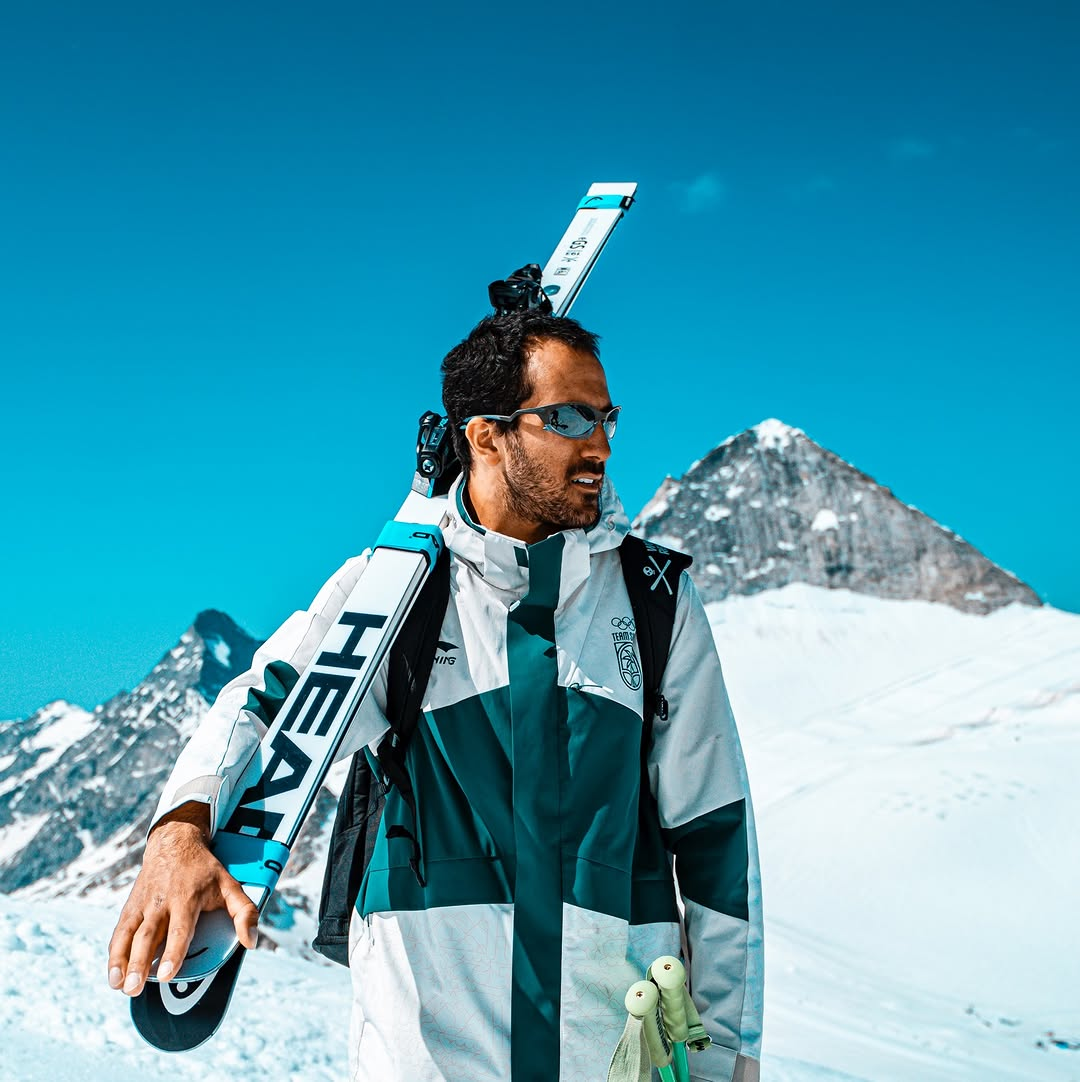
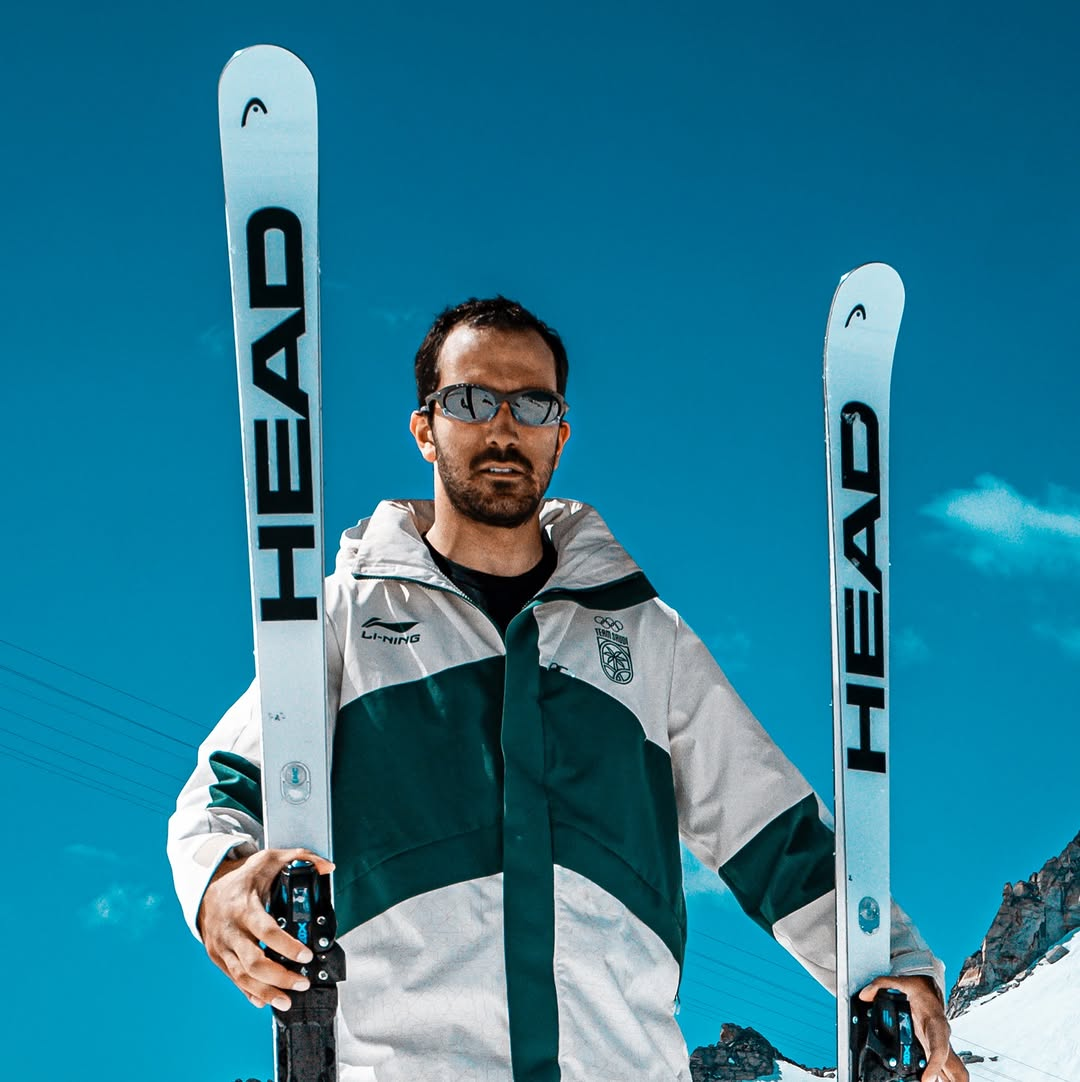
Building a Saudi Winter Sports Pathway
Saudi alpine skiing did not have a large local ecosystem when Fayik Abdi began. There were no obvious roads to follow. There were no generations of Saudi winter Olympians before him. The program had to be built. The coaching structure had to be created. The athlete pathway had to be tested. Fayik stepped into that unknown space. His first alpine ski race came at age 23. That is late in a sport where many athletes begin racing as children. He was competing against skiers who were younger than him and had already completed hundreds of races.
He crashed in his first race. But he did not treat that crash as a reason to stop. He treated it as a lesson. It showed him that race intensity was different from training intensity. It taught him that skiing safely to the finish line would not be enough if he wanted to compete seriously. After that, he changed his approach. He trained with more intensity. He pushed closer to race conditions. He learned faster. That mindset matters far beyond skiing. New industries, new sports, and new ventures are built by people who can fail, learn, and move again.
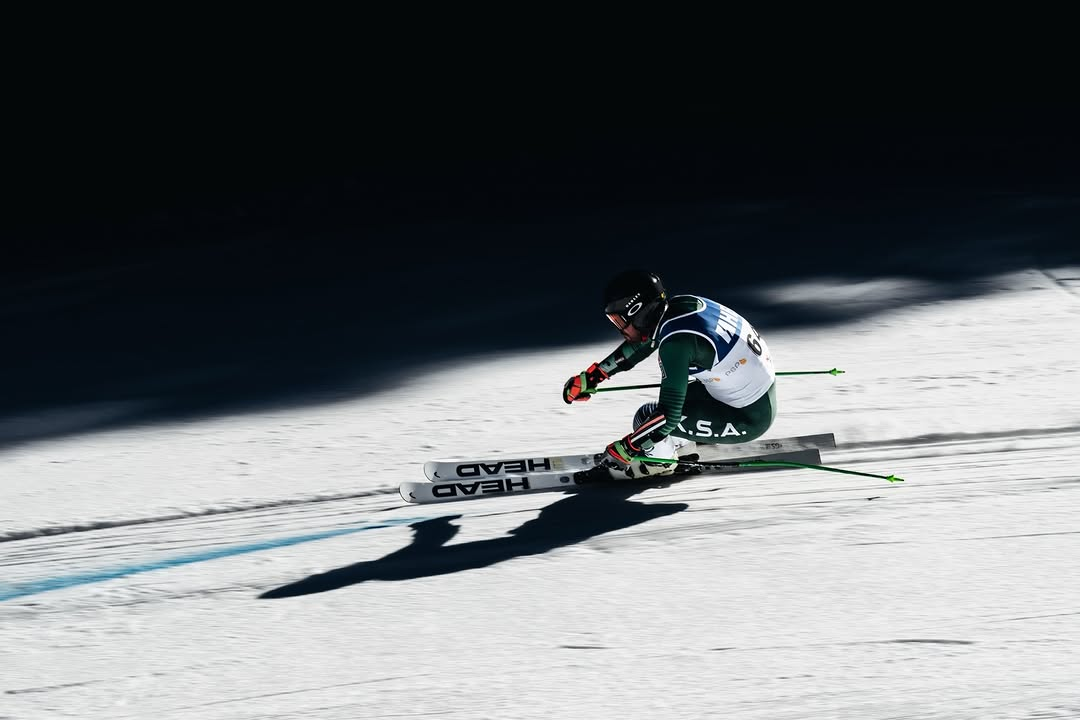
Olympic Breakthrough: Beijing 2022
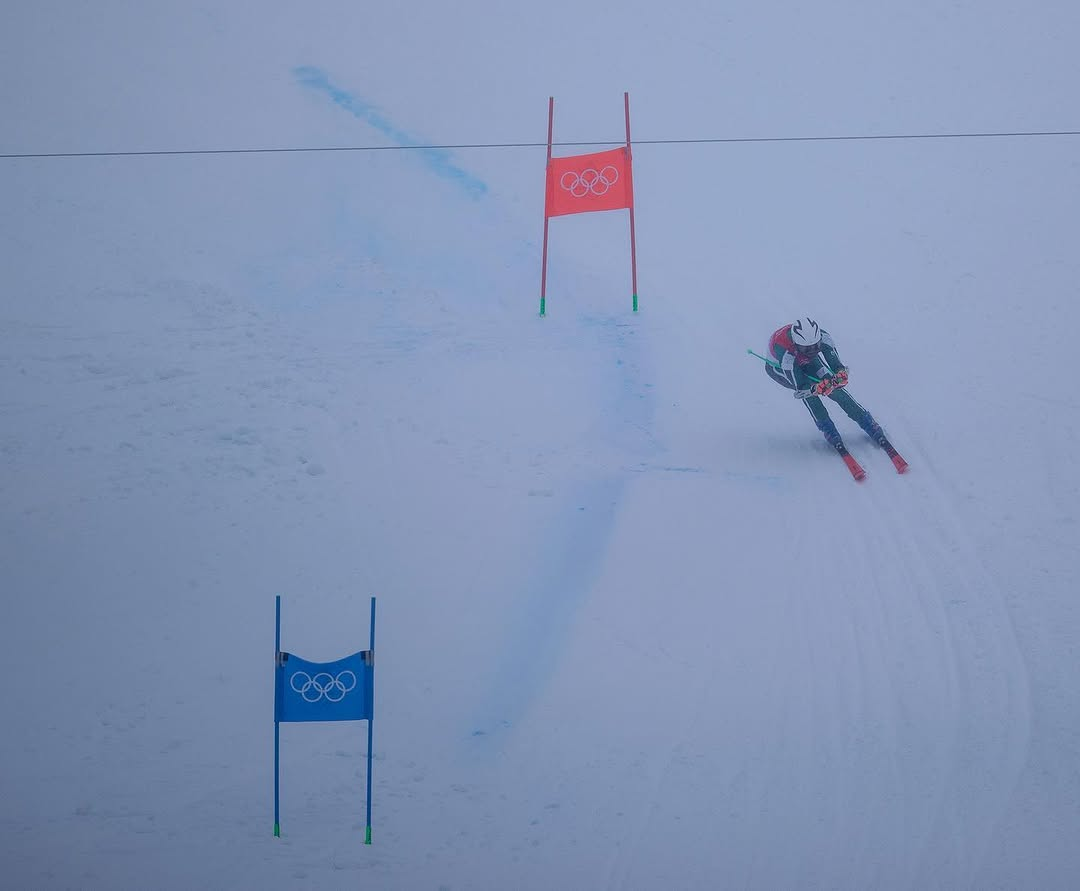
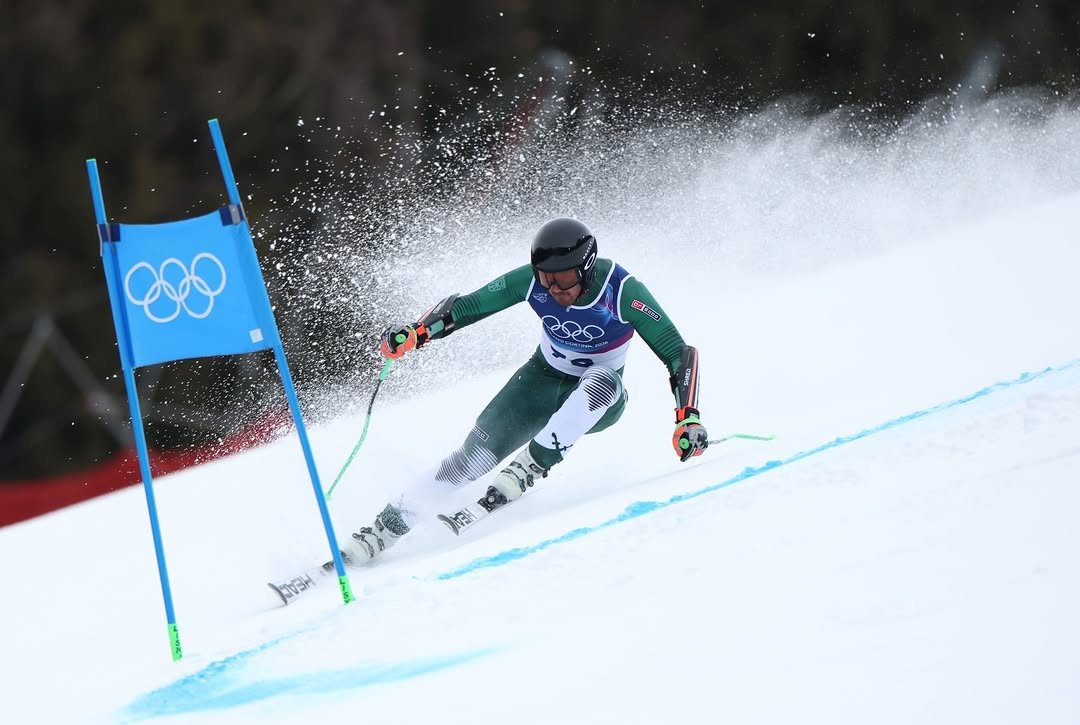
In around 11 months, Fayik went from never racing alpine skiing to qualifying for the Winter Olympics. His event was Giant Slalom, one of alpine skiing’s main technical disciplines. It requires speed, rhythm, precision, strength, and courage. That rapid progress did not happen by chance. His Olympic preparation included international training in major ski environments such as Austria and Montenegro, where he worked under a structured program supported by the Saudi Winter Sports Federation. This shows how Saudi winter sport was being built through global expertise, coaching, travel, and competition exposure, not as a one-man experiment, but as part of a more serious international training operation.
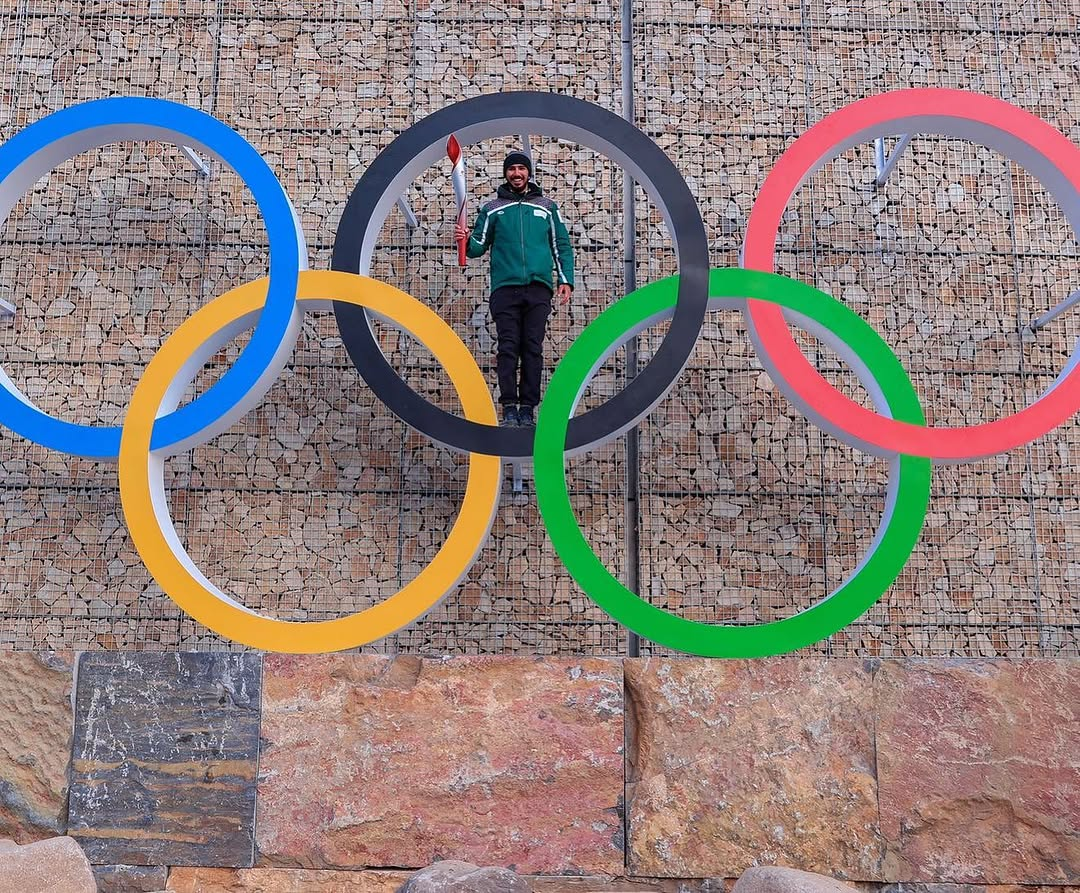
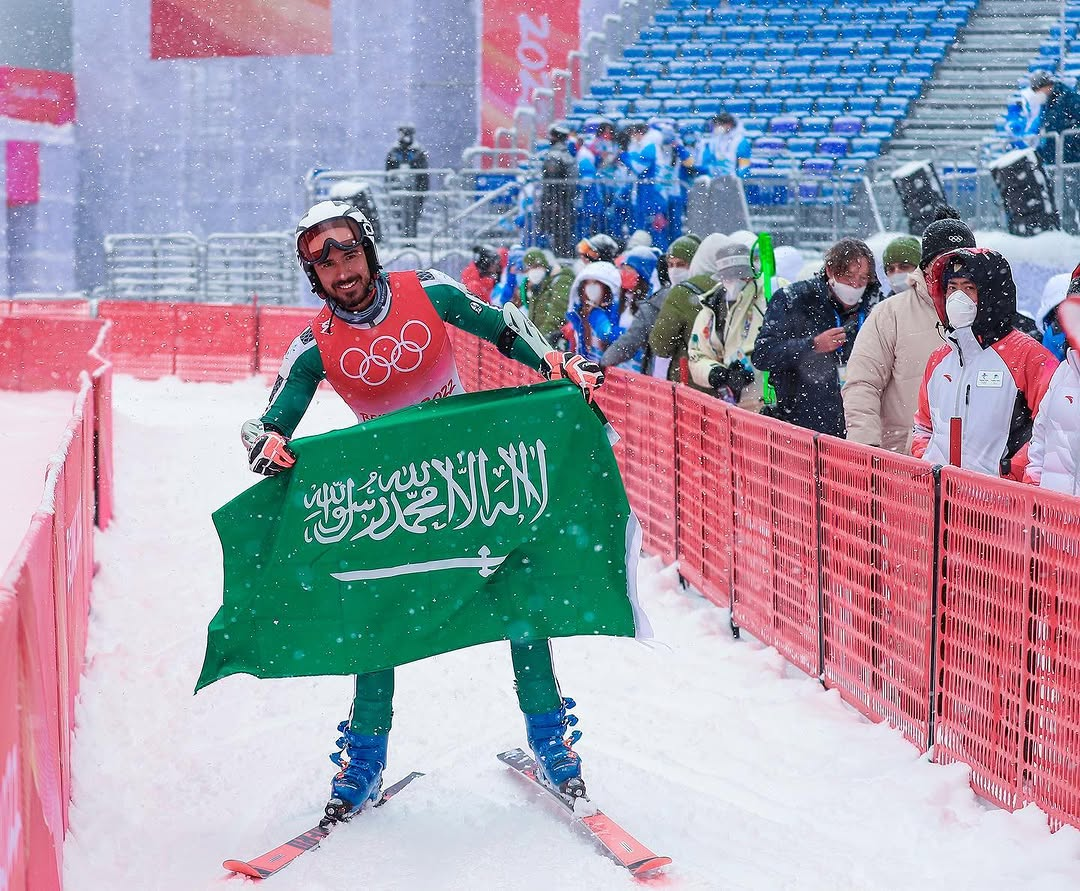
At Beijing 2022, Fayik became Saudi Arabia’s first Winter Olympian. He entered a space no Saudi or Gulf athlete had entered before. The moment carried national weight. He was not only racing for himself. He was carrying the Saudi flag into a new sporting environment. The race conditions were difficult. Heavy snow affected the course, the second run was delayed, and many athletes did not finish. Fayik completed both runs and finished 44th in the men’s Giant Slalom, making his Olympic debut a historic milestone for Saudi Arabia. For Fayik, finishing the race was an achievement by itself, even though he knew he wanted to ski better. That honesty is part of his strength. His story is not about pretending every milestone is perfect. It is about respecting the level, learning from the experience, and continuing to build.
Carrying the Saudi Flag Forward
Fayik’s Olympic role extended beyond competition. At Beijing 2022, he served as Saudi Arabia’s flagbearer, representing the Kingdom at its first Winter Olympic appearance. He later continued his international journey by representing Saudi Arabia at the 2025 Asian Winter Games in Harbin, China, showing that his role in winter sport was not a one-time milestone, but part of a longer national pathway.
Milano-Cortina 2026: A Deeper Challenge
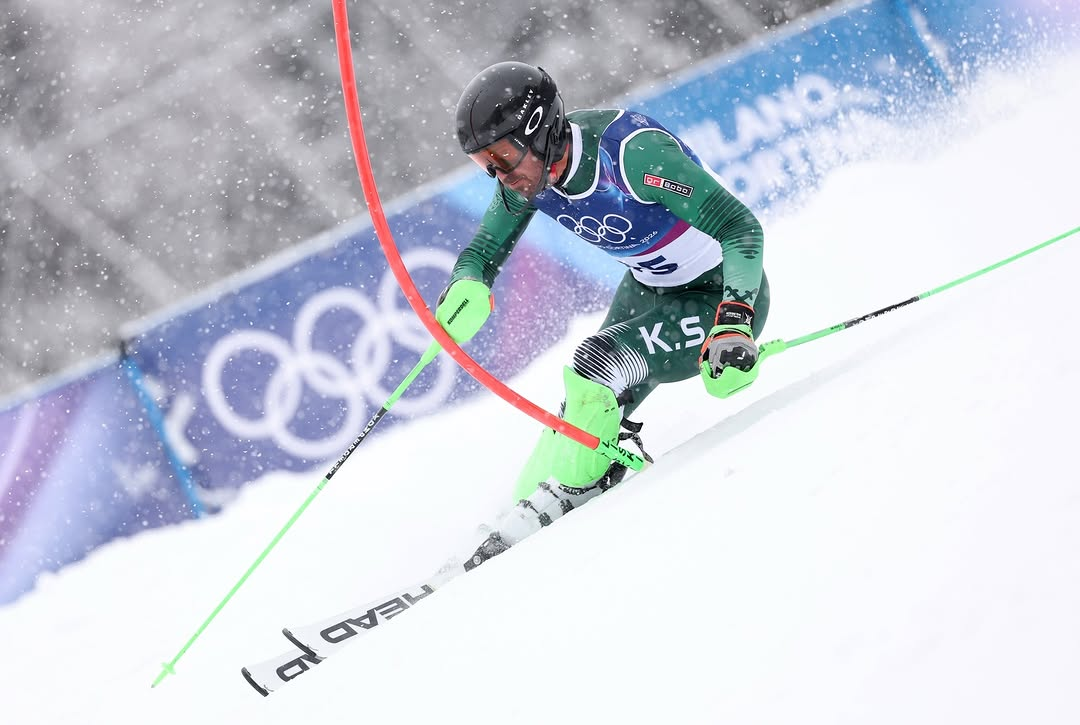
Fayik’s journey did not stop at Beijing. He continued toward Milano-Cortina 2026 with a stronger base, more experience, and a clearer understanding of elite alpine skiing. The second qualification carried a different meaning. It came after a fuller Olympic cycle and tougher qualification standards. His main focus remained Giant Slalom. At Milano-Cortina 2026, Fayik competed in the men’s Giant Slalom and finished with a total time of 2:53.41, recording 1:30.52 in run one and 1:22.89 in run two.
This chapter showed that Beijing was not a one-time milestone. Fayik returned stronger, more focused, and more aware of what elite alpine skiing demands. For young Saudi athletes, the lesson is clear: ambition matters, but direction matters too.
Trojena, NEOM, and the Future of Saudi Winter Sport
Fayik’s story connects naturally with Saudi Arabia’s wider sports transformation. He skied in NEOM in 2021 and returned again in 2023. During that period, he saw progress in the development of Trojena, the mountain destination being built in NEOM. Trojena gives his journey national context. It shows that winter sport in Saudi Arabia is not only a symbolic idea. It is becoming part of a larger conversation about tourism, adventure, infrastructure, and sport participation.
Fayik has also spoken about the importance of making skiing accessible inside the Kingdom. Indoor ski slopes could help introduce more Saudis to the sport. Ski simulators can also support beginners by removing some of the early challenges of snow, weather, equipment, and mountain access. This is where sport becomes economy. When access improves, participation grows. When participation grows, demand grows for coaches, academies, equipment, events, media, and sponsorship. Over time, a new sport can create new jobs, new businesses, and new role models. Fayik’s journey is one early signal of that future.
A New Mountain for Saudi Sport
Fayik Abdi’s journey reflects the spirit of Saudi Arabia’s sports transformation. It is ambitious, unusual, and forward-looking. It does not follow the old map. It creates a new one. For the next generation, his story is an invitation. You do not have to wait for your field to become popular. You do not have to follow the obvious sport, job, or business path. You can build in new spaces.
Saudi Arabia’s future sports economy will need athletes, founders, coaches, marketers, designers, event builders, media creators, and investors. Fayik Abdi shows that the first step can be simple: follow the passion, take the call, enter the race, and keep improving.
Follow Riyada Hub for real progress, sharp insights, and weekly inspiration.


