



"Saudi Arabia is a football nation. We are crazy, madly, deeply in love with this beautiful game. Football is a language that we speak fluently."
These are the words of Lamia Bahaian, the Vice President of the Saudi Arabian Football Federation (SAFF), Chairperson of the West Asian Football Federation Women’s Committee, Saudi Pro League Board Member, and many more.
In line with Saudi Arabia’s Vision 2030, Saudi women have seen an unprecedented rise in the opportunities to excel in their respective sports. Many people have worked hard to make women’s sports in the Kingdom what it is now, and Lamia Bahaian is one of the leading figures of this change. This is how she became a driving force in the acceleration of women’s sports in Saudi Arabia.
A Background Deeply Rooted in Football
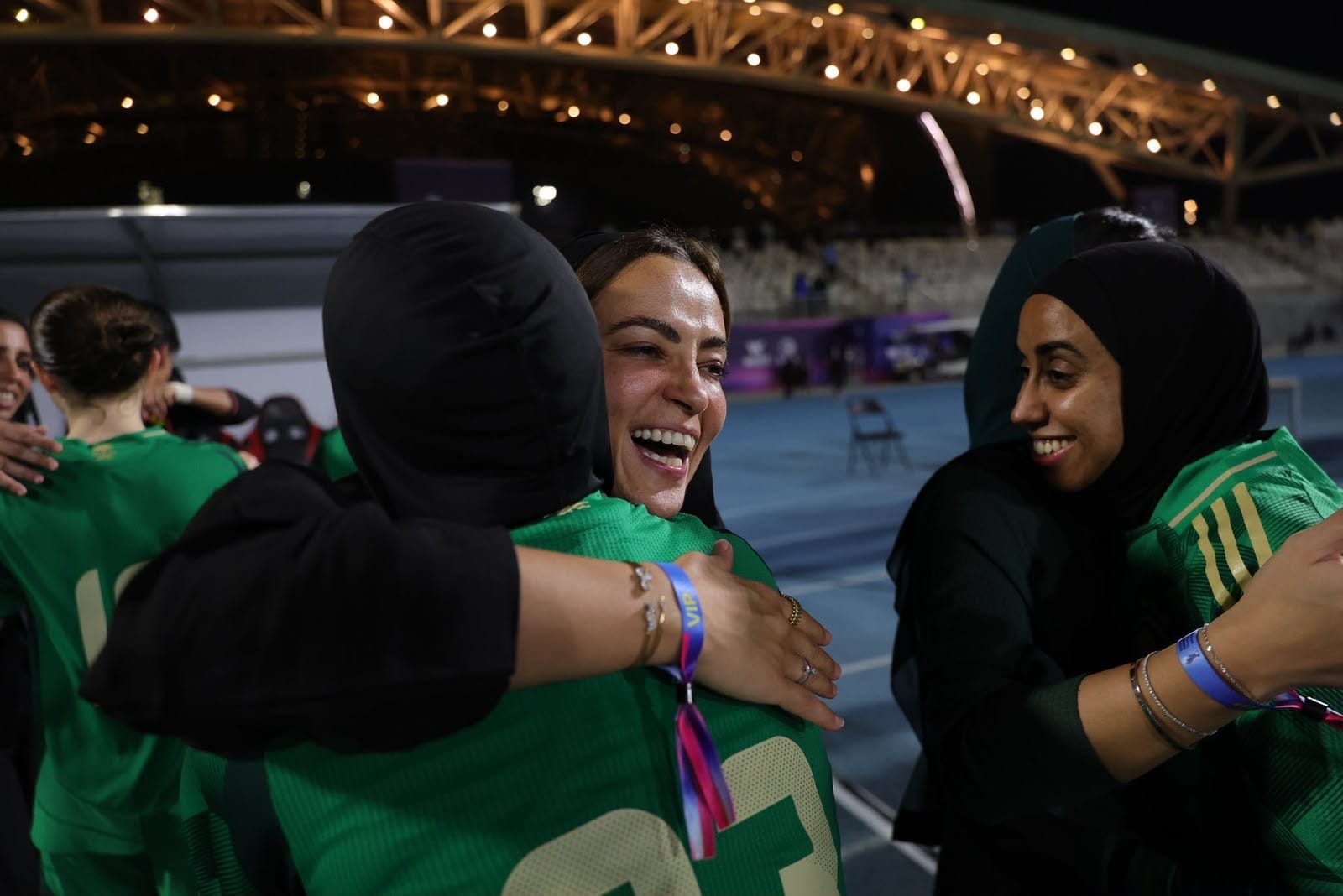
Before becoming a leading figure in Saudi football, Lamia Bahaian was simply a young girl who loved the beautiful game. She grew up looking for any field to play in, whether it was sand, concrete, or any open space she could find, all she needed was a ball. Lamia recalled falling in love with football at the age of five or six, playing with family and friends or anyone who’s willing to play.
Later in life, Lamia pursued a Bachelor of Arts in Law from Prince Sultan University in Riyadh, Saudi Arabia. Shortly after, she continued on to obtain a Master of Laws (LL.M.) with a specialization in Business Law from the Chapman University Fowler School of Law. For the next few years, she worked in the legal field as a legal consultant. However, the sport she loved since childhood was never far away, it would soon become more than a passion.
Building the Foundation
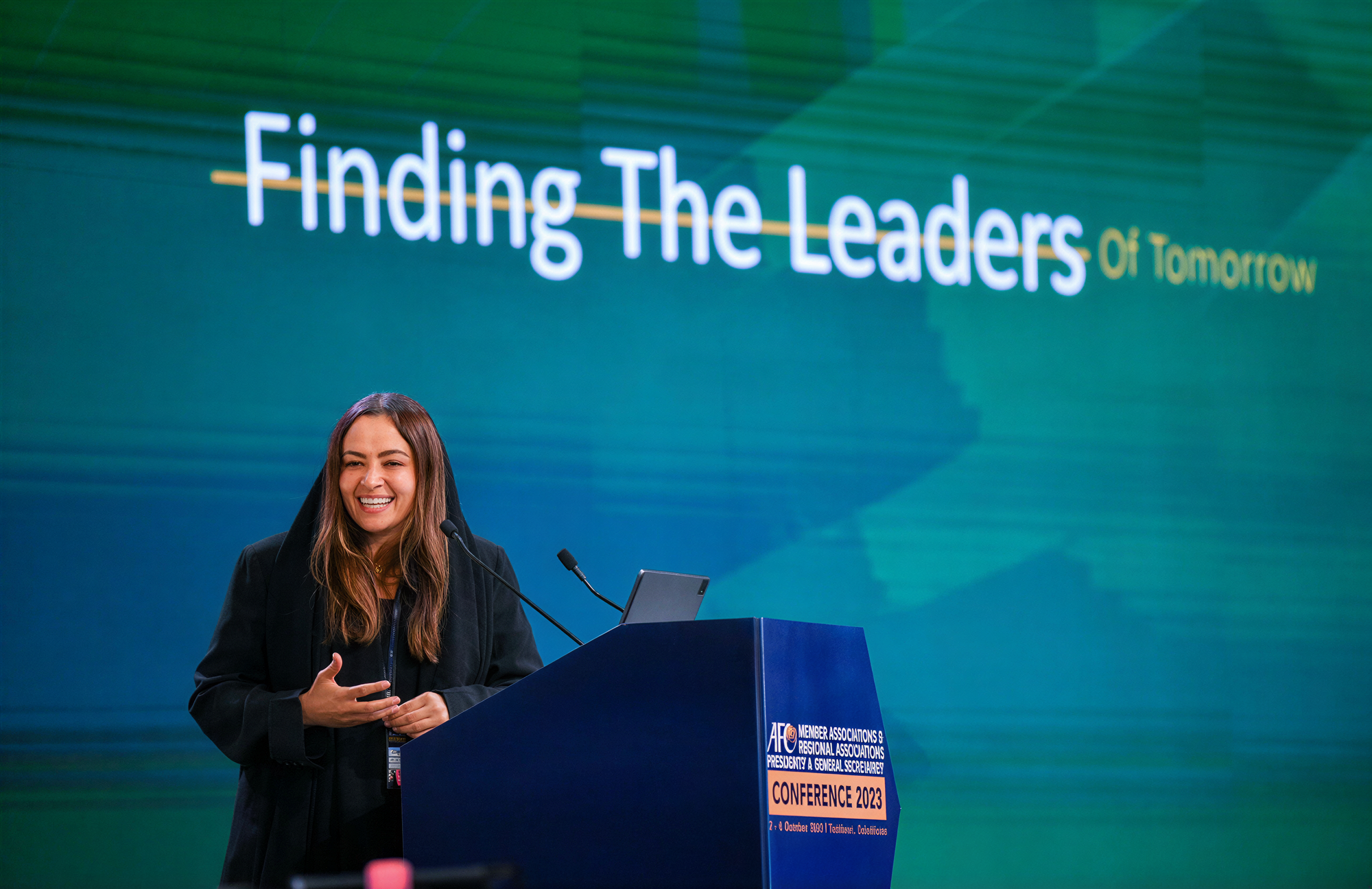
Before officially entering into football administration, Lamia Bahaian was already helping shape the future of women’s football in the Kingdom. In 2008, Lamia and a group of passionate women who shared a love for the beautiful game established the first ever women’s community league in the history of Saudi Arabia.
While Lamia didn’t have the power or authority to establish an officially recognized women’s league at the time, the league brought together clubs, players, referees, and organizers. Every participant shared one goal in common: creating opportunities for women to play football. Reflecting on the journey, Lamia described her career as having evolved alongside the growth of women’s football, going from a community league player, referee, and coach to a leading figure in Saudi football.
The Mark She Made in the SAFF
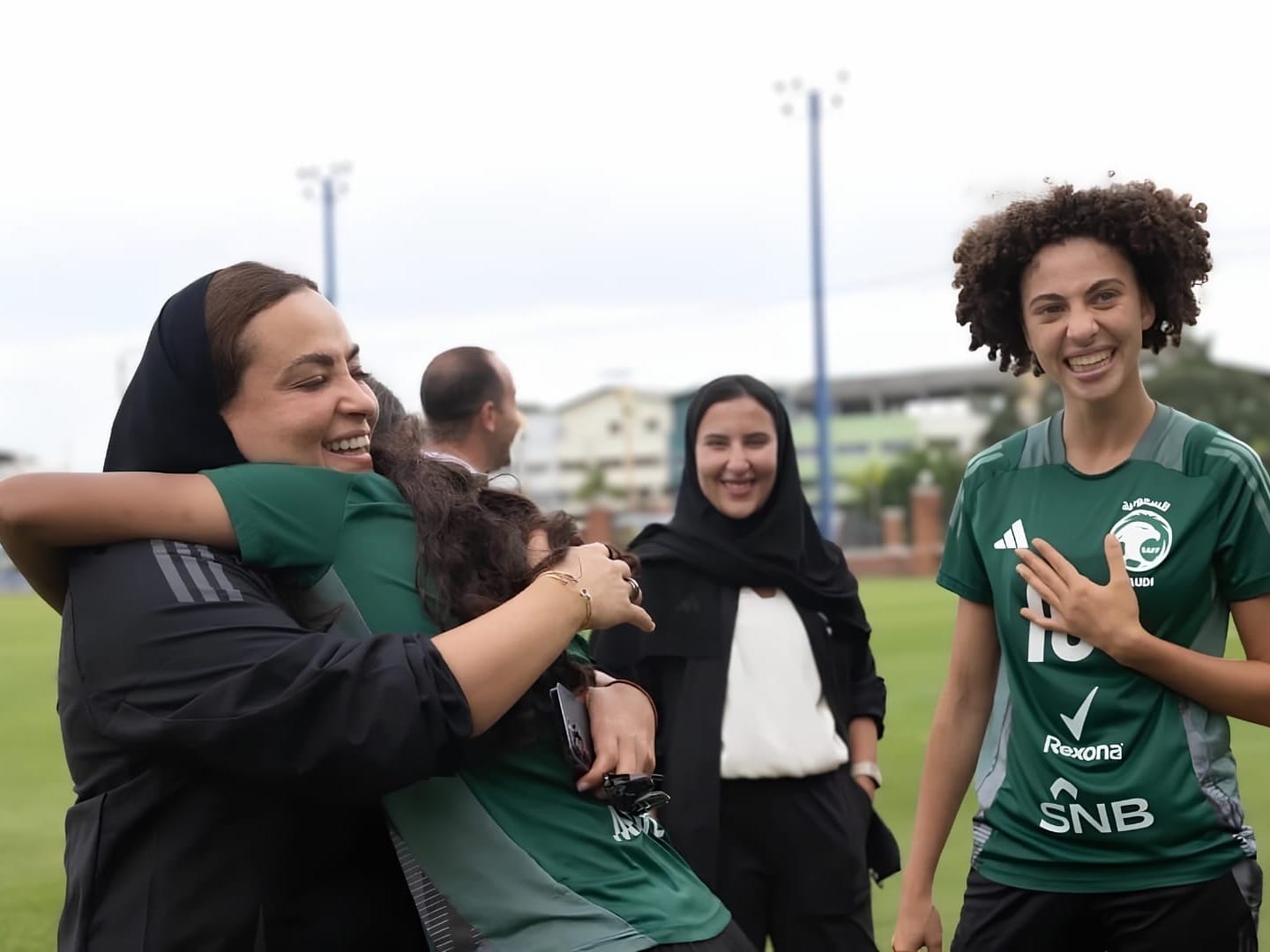
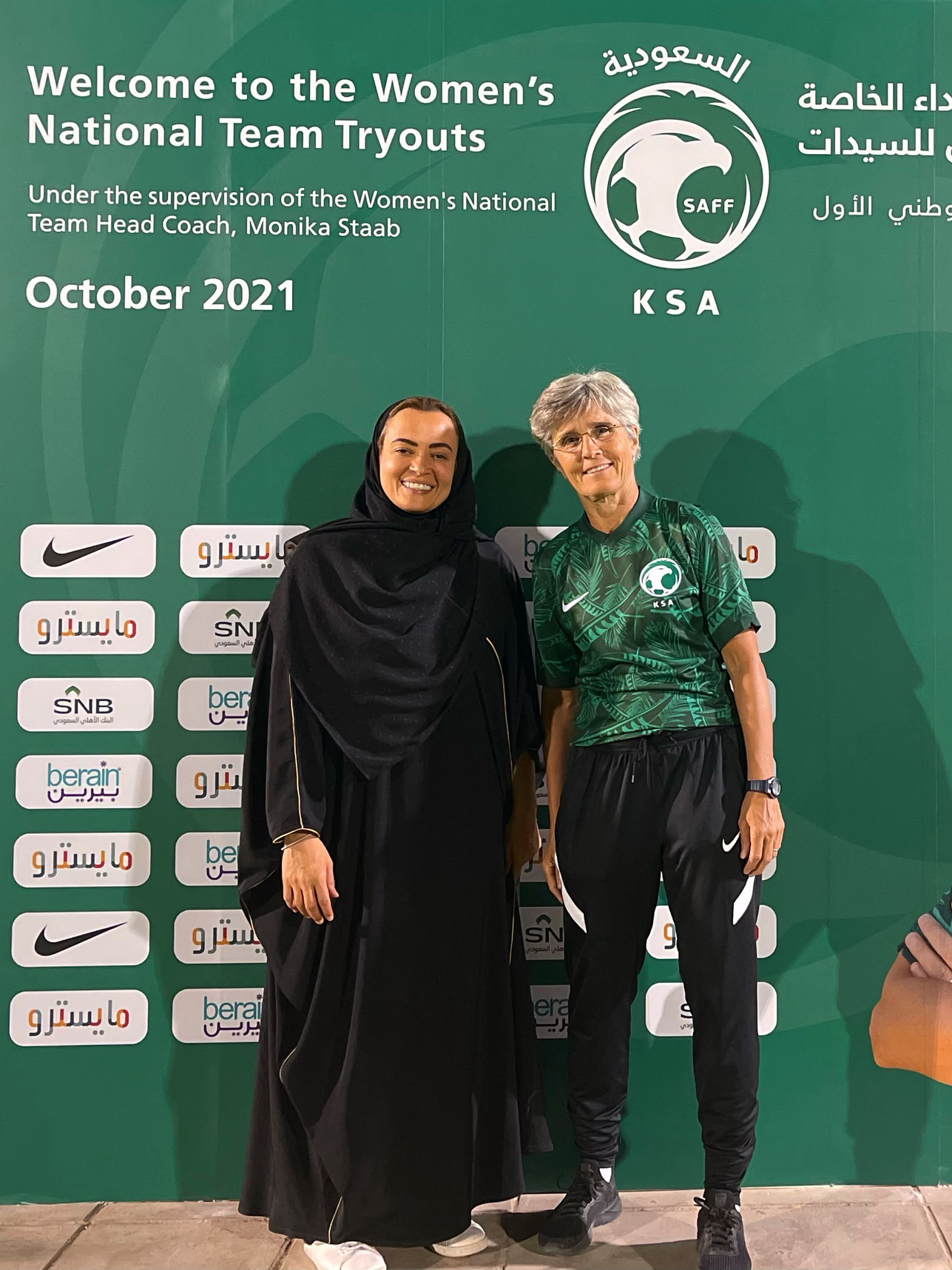
With the decision to establish the first women’s football department in late 2019, Lamia Bahaian was officially appointed as Head of the Department in early 2020, becoming the founding Head of the Women’s Football Department. Under her leadership, the Saudi Women’s National Team was established in 2021. After a win against Seychelles in their debut, Lamia announced that the SAFF has a long-term plan to have the national team compete in the FIFA World Cup in the next 10 years, showcasing the ambition and the rapid evolution in women’s football in the Kingdom.
The SAFF’s decision to appoint Monika Staab as the women’s national team’s first head coach reflected Lamia’s dedication to giving the national team the best possible start. A German former player and a pioneer of women’s football, Monika had already done admirable work and made significant impact on women’s football globally, making her one of the most respected figures in the field.
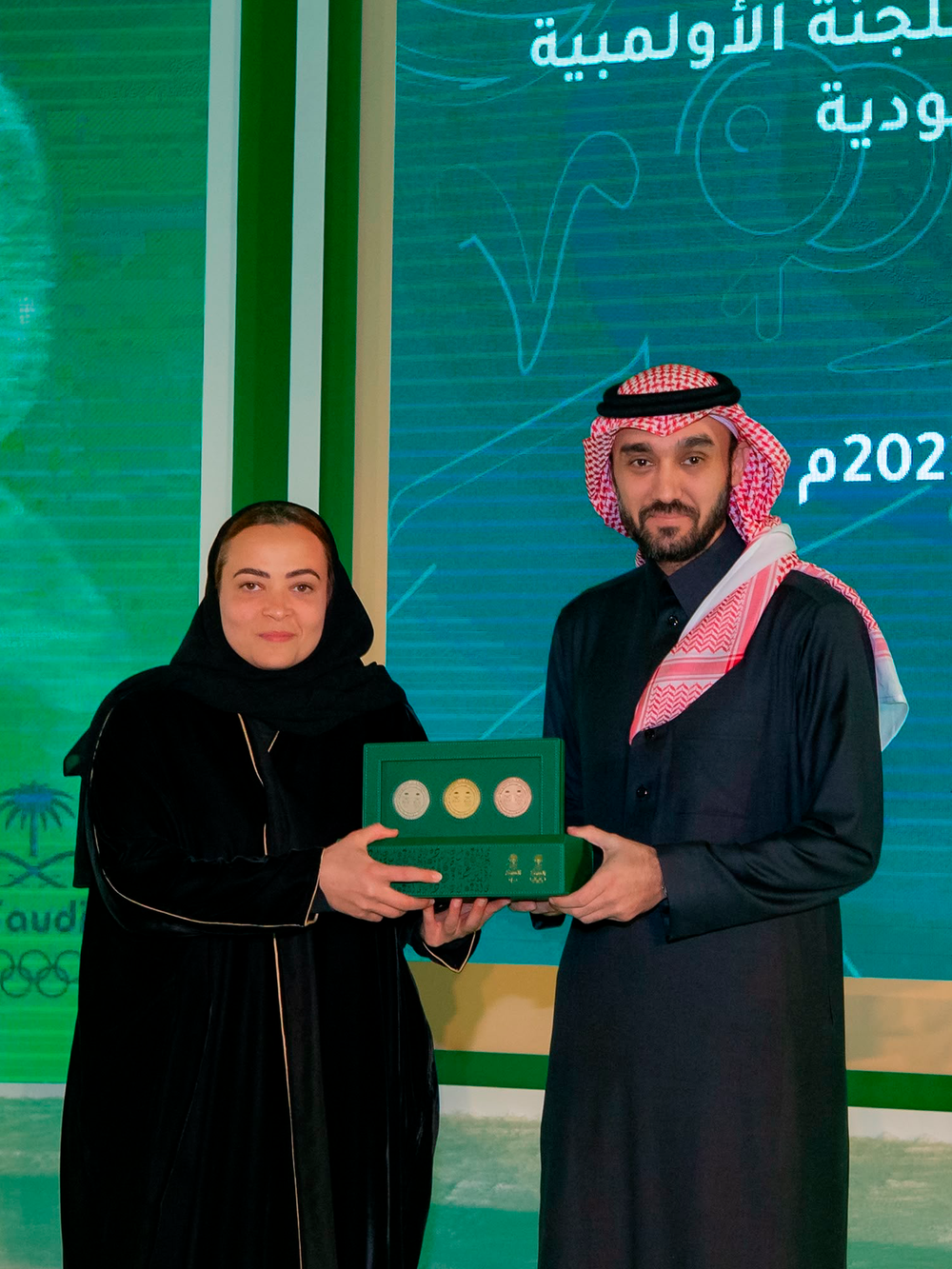
The effort to develop women’s football extended far beyond the national team. The federation also worked on the development and infrastructure of national leagues. During her tenure, the Saudi Women’s Premier League was launched in 2022, followed by the First Division and Second Division, giving women’s football the league hierarchy and infrastructure needed to compete with the best leagues in the world in the upcoming years. Her efforts were recognized in 2022 when she received the Women’s Sports Award for her contributions to the growth of women’s football in the Kingdom.
Giving a Chance to the Youth
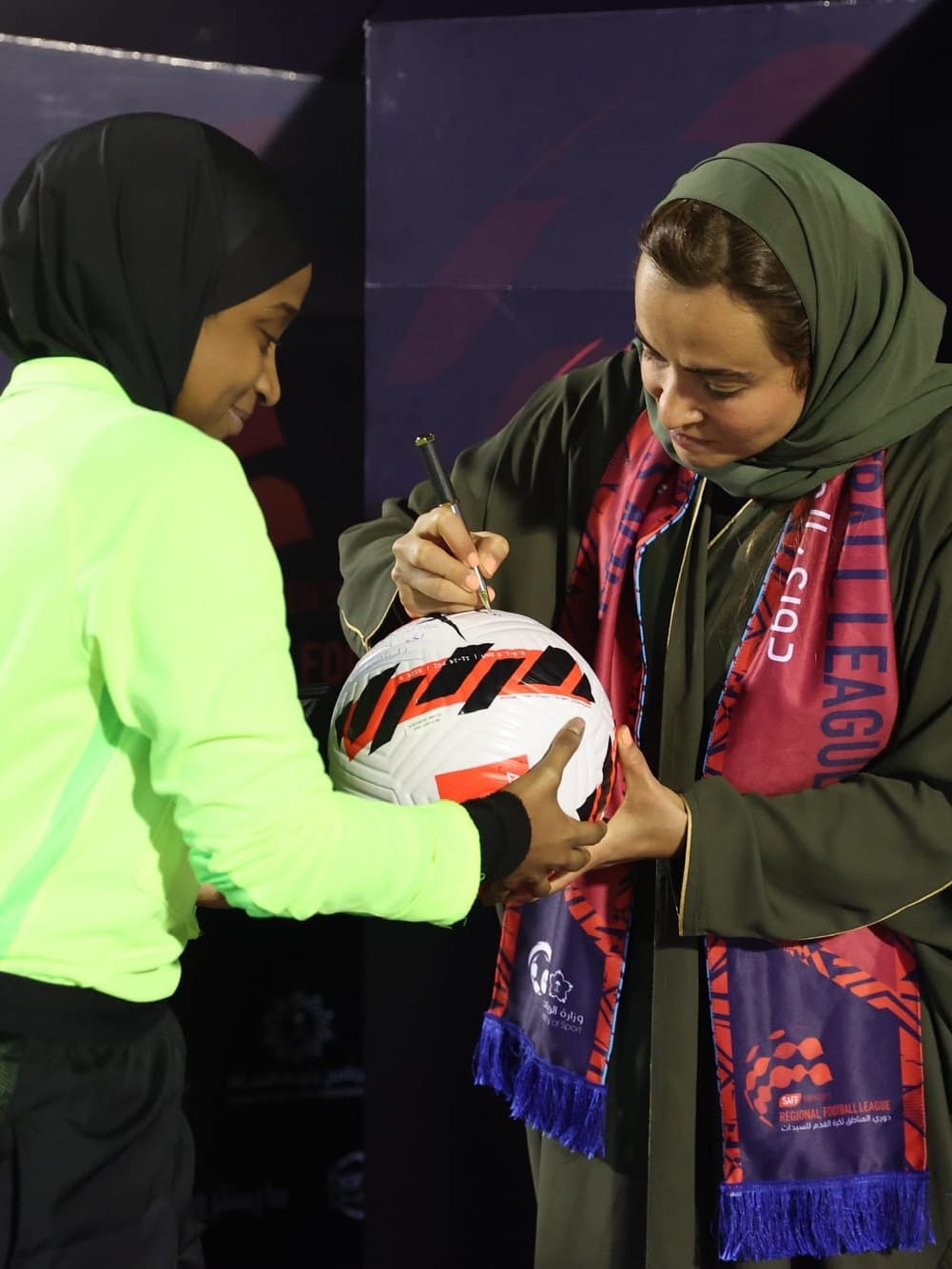
The formation of the Women’s National Team also led to the formation of the youth teams including an U-20 team and U-17 team, promoting youth development in women’s football. They also launched the Girls’ U-17 and U-15 tournaments. Official domestic league structures were also created, expanding junior youth tournaments from a 9-a-side format to the regular 11-a-side format in football.
As part of the SAFF and Lamia Bahaian’s plan to develop the project, they partnered on grassroots programs and launched initiatives such as the Girls’ School League. In 2023, more than 70,000 female players participated, a 46% increase from the previous year. This growth is helping develop the women’s game and laying the foundation for years to come. The progress has also extended across the wider football ecosystem, with over 1,000 female coaches and dozens of referees earning certifications to support the game’s continued development.
Making History
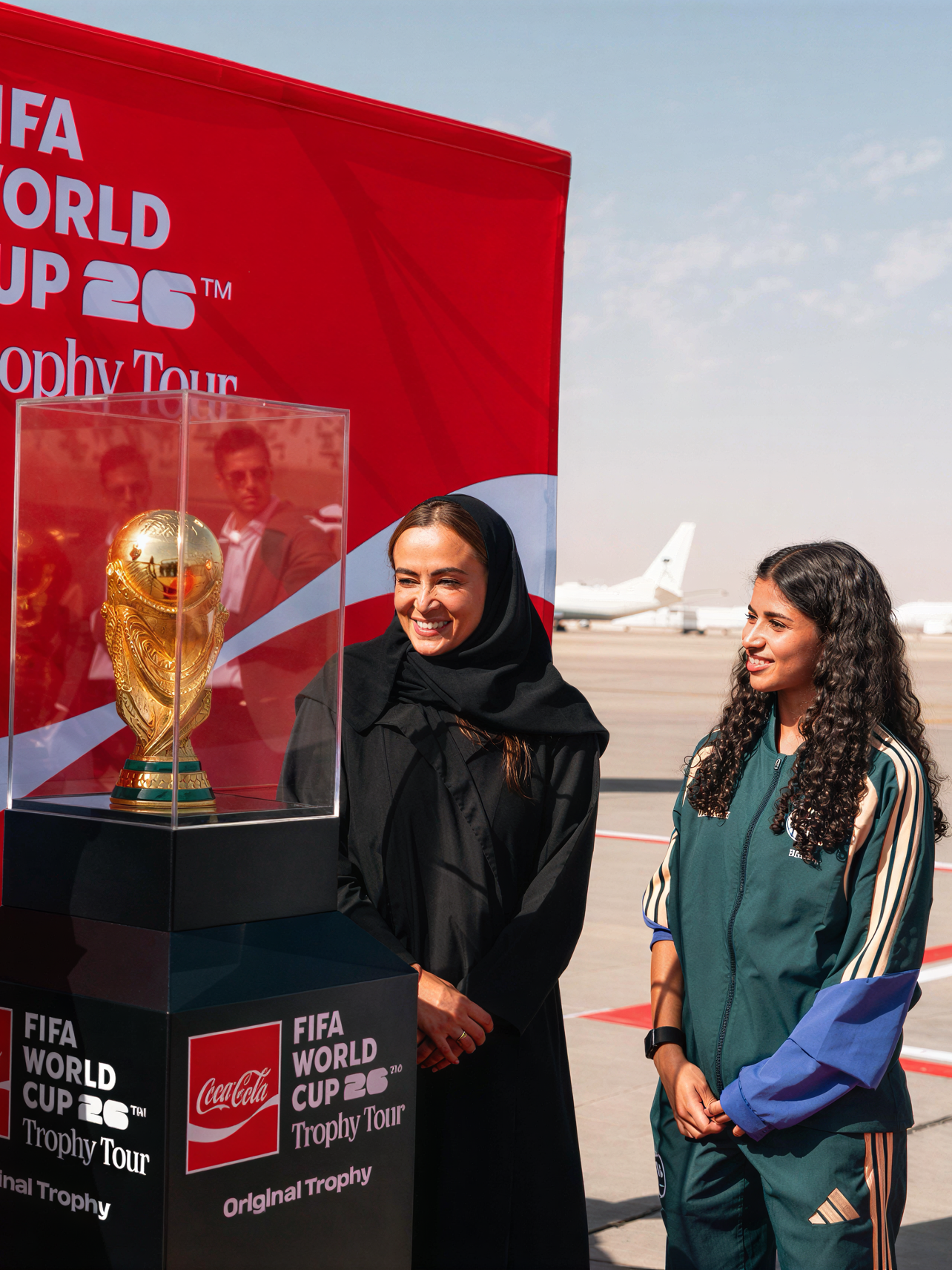
Alongside her role as Head of Department, Lamia Bahaian was appointed as a board member in the SAFF. After two very successful years leading the women’s football department, Lamia left the day-to-day leadership of the department but continued to supervise it and oversee its strategic development.
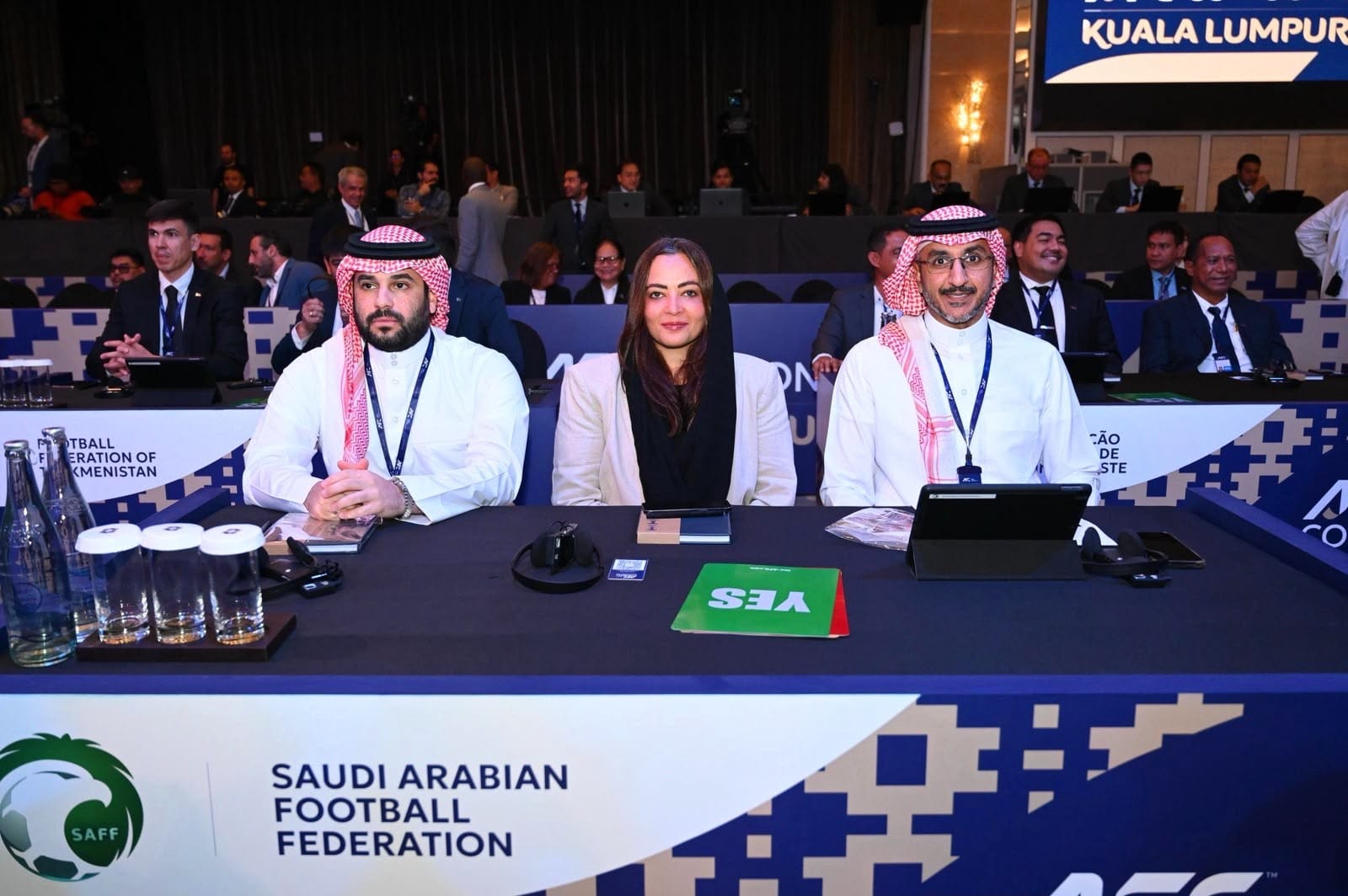
One year after leaving her position, Lamia Bahaian made history as the first woman to become the Vice President of the SAFF since its foundation in 1955. This marked a huge change in Saudi women’s roles in the sports industry and reflects the goals of Saudi Arabia’s Vision 2030 through the empowerment of women. That same year, Lamia was appointed as Head of the West Asian Football Federation (WAFF) Women’s Committee.
Saudi 2034 and Beyond
With the end of the 2026 World Cup, Saudi’s 2034 World Cup looms ever closer. Following Qatar’s successful hosting of the 2022 World Cup, becoming the first Arab nation to ever host the global tournament, expectations for the 2034 World Cup are very high. With Saudi Arabia accelerating preparations for the 2034 World Cup, the SAFF entered one of the most significant periods of its history. As Vice President, Lamia Bahaian has played a leadership role in this transformative and historic era for Saudi football.
Merely a few months after Lamia assumed her position as Vice President, the SAFF announced Saudi Arabia’s plan to bid for the 2034 World Cup. Being backed by 140 nations to host the 2034 World Cup, the Kingdom officially won the bid in late 2024. Since then, Saudi Arabia, represented by the SAFF, has begun to prepare for the World Cup with plans to build ten new stadiums and renovate five existing stadiums.
Global Work with FIFA and AFC
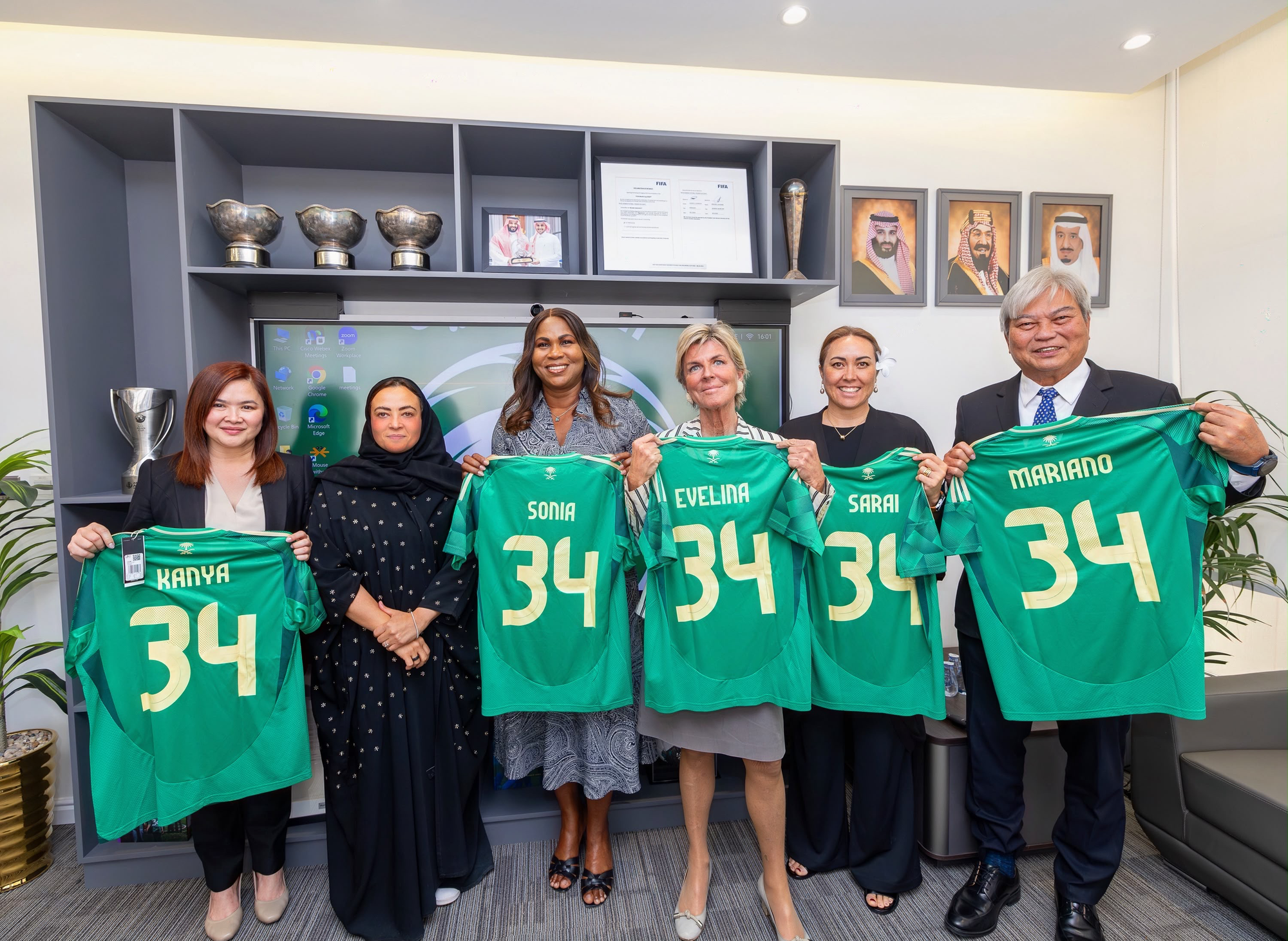
In 2025, Lamia Bahaian was appointed as a member of the FIFA Women’s Club Competition Committee for the next four years, being responsible for governing global competitions in women’s club football. The committee oversees competitions including the FIFA Women’s Club World Cup and FIFA Women’s Champions Cup. This appointment represents more than a personal achievement. It reflects Saudi Arabia's growing influence in global football governance and aligns with Vision 2030's ambition to position Saudi women as leaders on the international stage.
Lamia’s work also extends continentally. Since 2023, she has served as a member of the Women’s Football Committee at the Asian Football Confederation (AFC), contributing to the continued growth of women’s football across Asia. The committee oversees AFC women’s competitions across all age groups and supports the wider development of the women’s game throughout the continent.
Her influence also extends to West Asia, where she serves as Chairperson of the WAFF Women’s Committee. In this role, Lamia leads efforts to develop women’s football across the region, while overseeing competitions such as the WAFF Women’s Championship and helping create more opportunities for women to participate in the game.
Connecting Saudi Football to the World
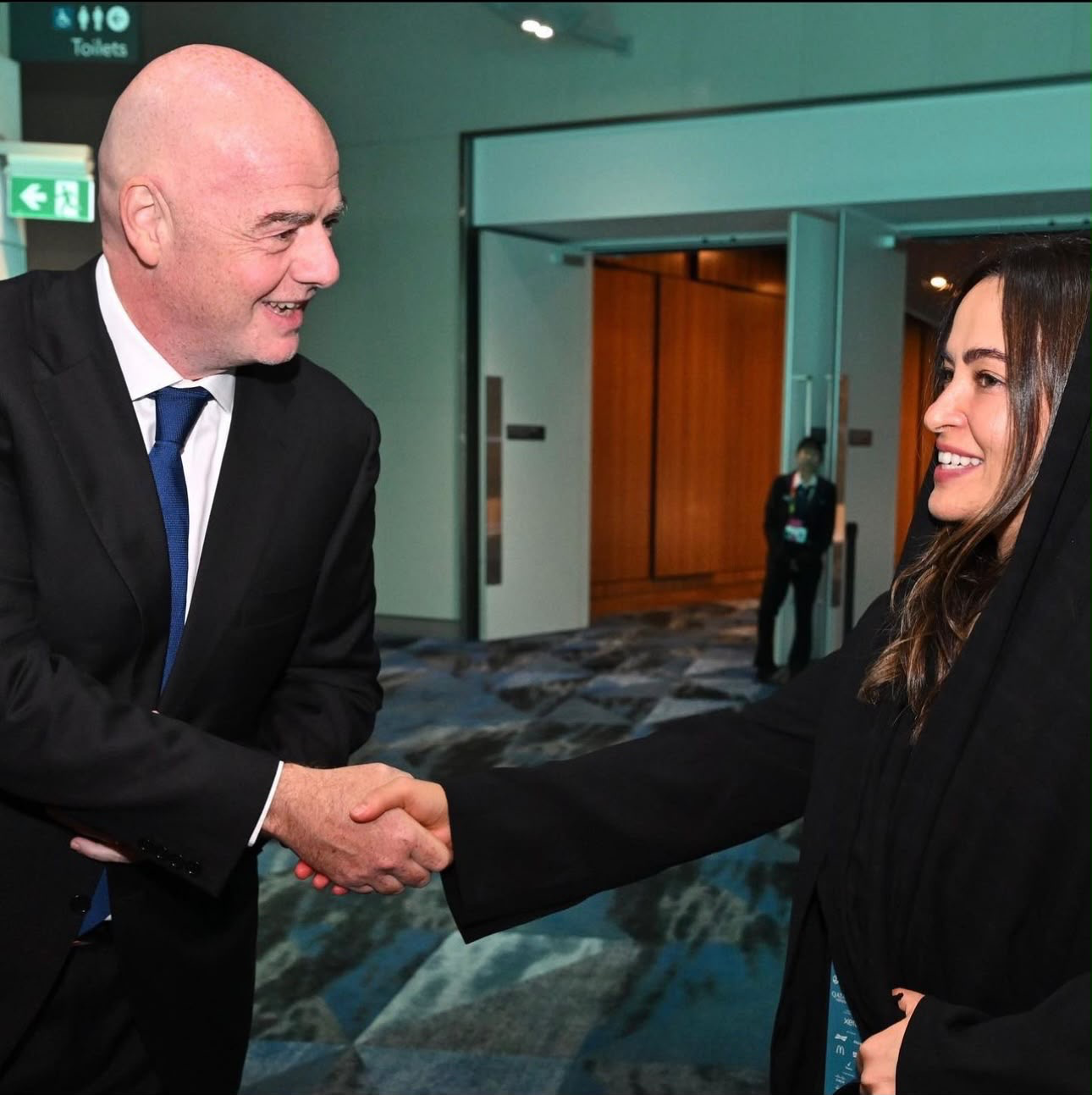
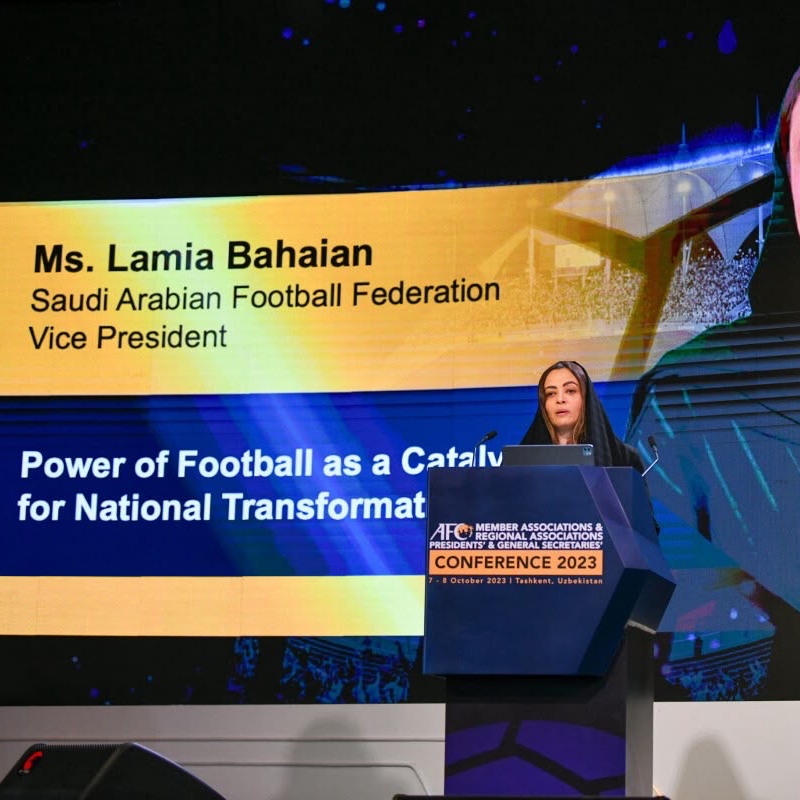
Beyond her official responsibilities, Lamia Bahaian has also become one of Saudi football’s leading ambassadors. Through meetings with international football executives, football federation presidents, global leaders, and government officials, she has helped strengthen Saudi Arabia’s relationships within the international sporting community. These relationships have also helped accelerate the development of women’s football by fostering collaborations with some of the sport’s most influential figures and creating opportunities to exchange expertise and knowledge.
Her appointment to the FIFA Women’s Club Competition Committee further reflects this role, working with respected figures in women’s football such as Bestine Kazadi, Michele Kang, and more. It brings together leaders from around the world while also giving Saudi Arabia a voice in the sport’s global development.
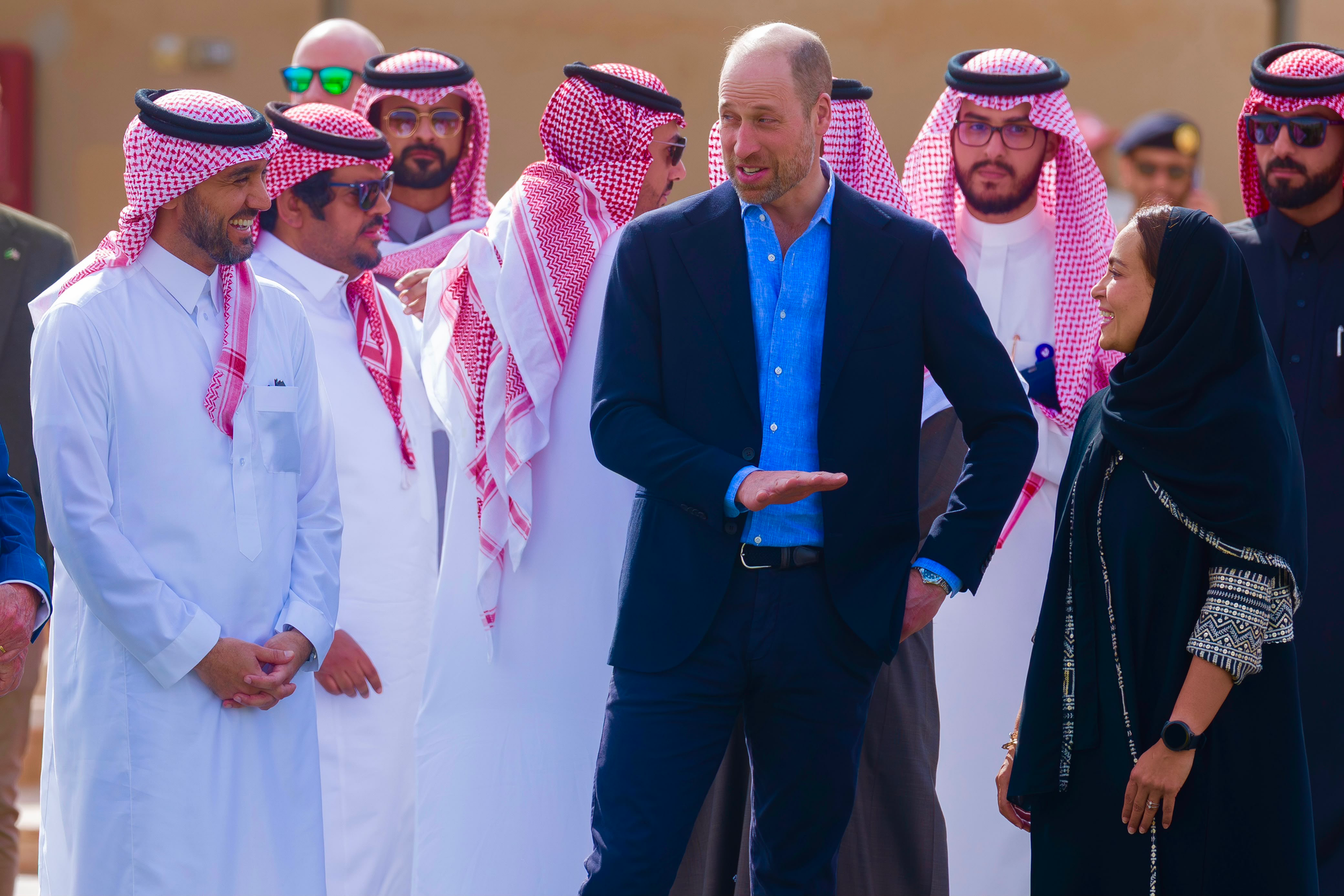
One of the most notable examples of Lamia’s work representing the Kingdom on the global stage came during Prince William’s official visit to Saudi Arabia. In 2026, she welcomed him and guided him through Saudi Arabia’s progress in women’s football. During the visit, he toured the Regional Girls’ Training Centre in Riyadh, giving him the chance to see firsthand the rapid progress of women’s football in the Kingdom. This visit highlighted not only the transformation of women’s football, but Lamia’s role in sharing that progress with the world.
Inspiring the Next Generations
Lamia Bahaian has become an inspiration for every young Saudi girl. She started out like any young girl who loves football: passionate about the game and full of hopes and dreams. As she grew, her love for the game she had at six years old never faded, and the lack of opportunities never discouraged her. Establishing the first community league in 2008, Lamia began building the foundation of women’s football in the Kingdom at a young age, she created opportunities when there were none. Later on, she continued to make history by further developing women’s football through her position as Vice President of the SAFF.
Women’s football in Saudi Arabia has a bright future ahead of it, and Lamia remains one of the figures shaping that future, as she has been for the past 15 years. Through her work, Lamia has opened doors for countless Saudi girls to pursue careers in football, whether as players, coaches, or even administrators. The opportunities available to young Saudi girls today are, in many ways, the opportunities Lamia once dreamt of herself.
Follow Riyada Hub for the wins, stories, and insights shaping the future of Saudi sports.


