



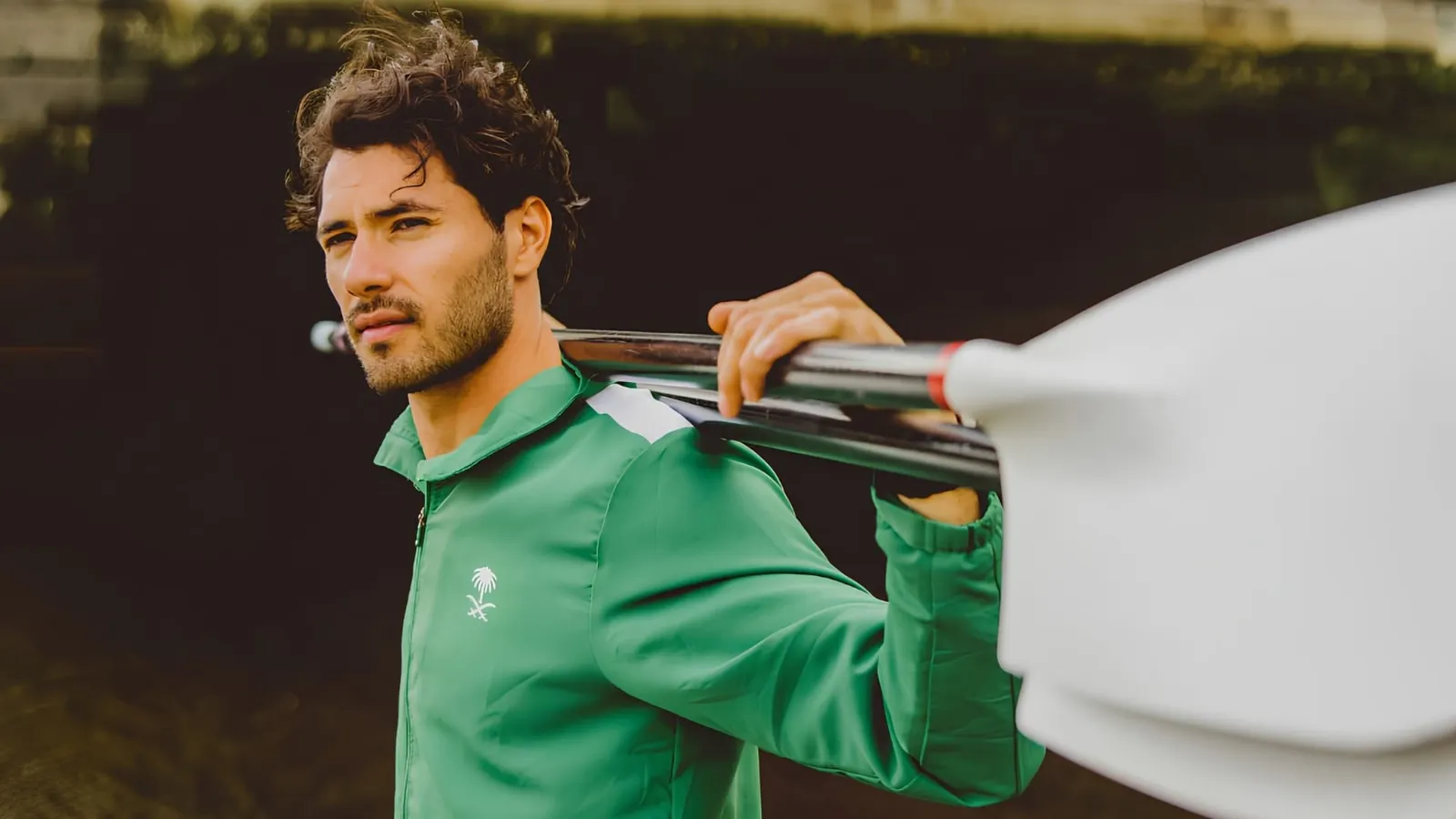
Saudi Arabia’s sports transformation is not only happening inside stadiums. It is also happening through athletes who create new pathways, introduce new disciplines, and represent the Kingdom with purpose. Husein Ali Alireza is one of those athletes. He became the first Saudi rower to compete at the Olympic Games, reached the quarterfinals at Tokyo 2020, carried the Saudi flag at the Opening Ceremony, and helped build the Saudi rowing movement from its early foundations.
His story is about more than one race. It is about finding purpose later than expected, sacrificing for a dream, building a sport, and using success to serve others.
From Jeddah to a Wider World
Husein Ali Alireza grew up in Jeddah before leaving for boarding school abroad at a young age. That move placed him in a new environment where he had to become independent early. He was far from home. He was surrounded by students who already seemed to know their future. Some wanted to become doctors. Others wanted to become lawyers. Husein did not have that kind of clear answer yet.
That uncertainty became part of his story. Many young people feel pressure to know their path early. Husein’s journey shows that purpose does not always arrive on schedule. Sometimes it appears through movement, curiosity, and the courage to try something unfamiliar. For him, that unfamiliar thing was rowing.
Discovering Rowing at Cambridge
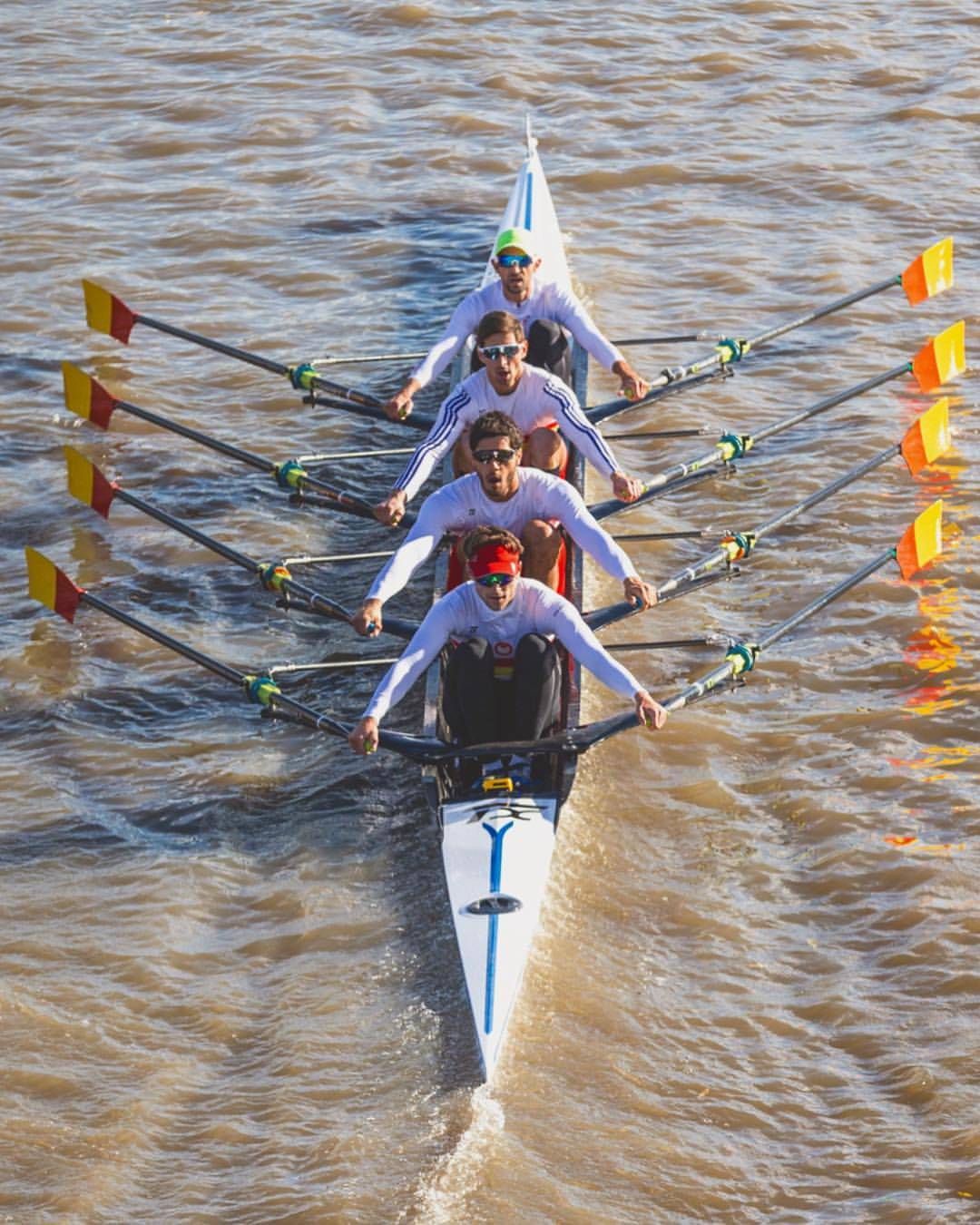
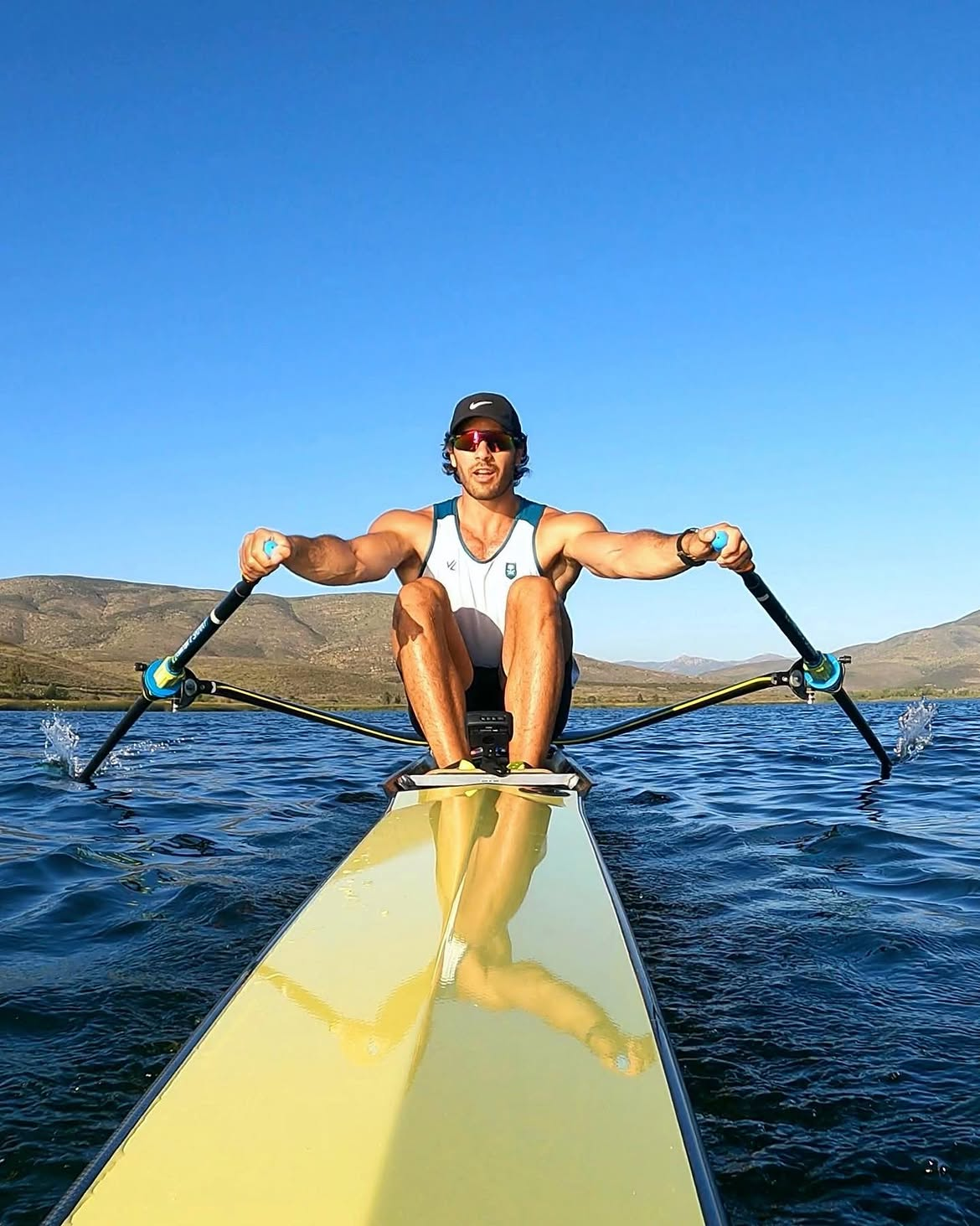
Husein Ali Alireza discovered rowing while studying at Cambridge. At first, it was a sport he enjoyed. It was different from anything he had done before. It gave him rhythm, discipline, and a new kind of challenge. Near graduation, he realized he did not want to leave it behind. He began asking a bigger question: where could rowing take him?
In rowing, the Olympic Games are the summit. The sport does not revolve around large professional leagues in the same way as football or basketball. For rowers, the Olympics carry enormous meaning. Husein saw that Tokyo was only a few years away. He was in his twenties. He believed it was the right time to sacrifice.
“The Olympics were three years away… I couldn’t ignore it.”
That sentence became a turning point. He did not wait for a perfect plan. He reached out to leading rowing clubs in London. He searched for elite coaching. He committed to the path before he knew exactly how hard it would become.
Learning the Discipline of Elite Rowing
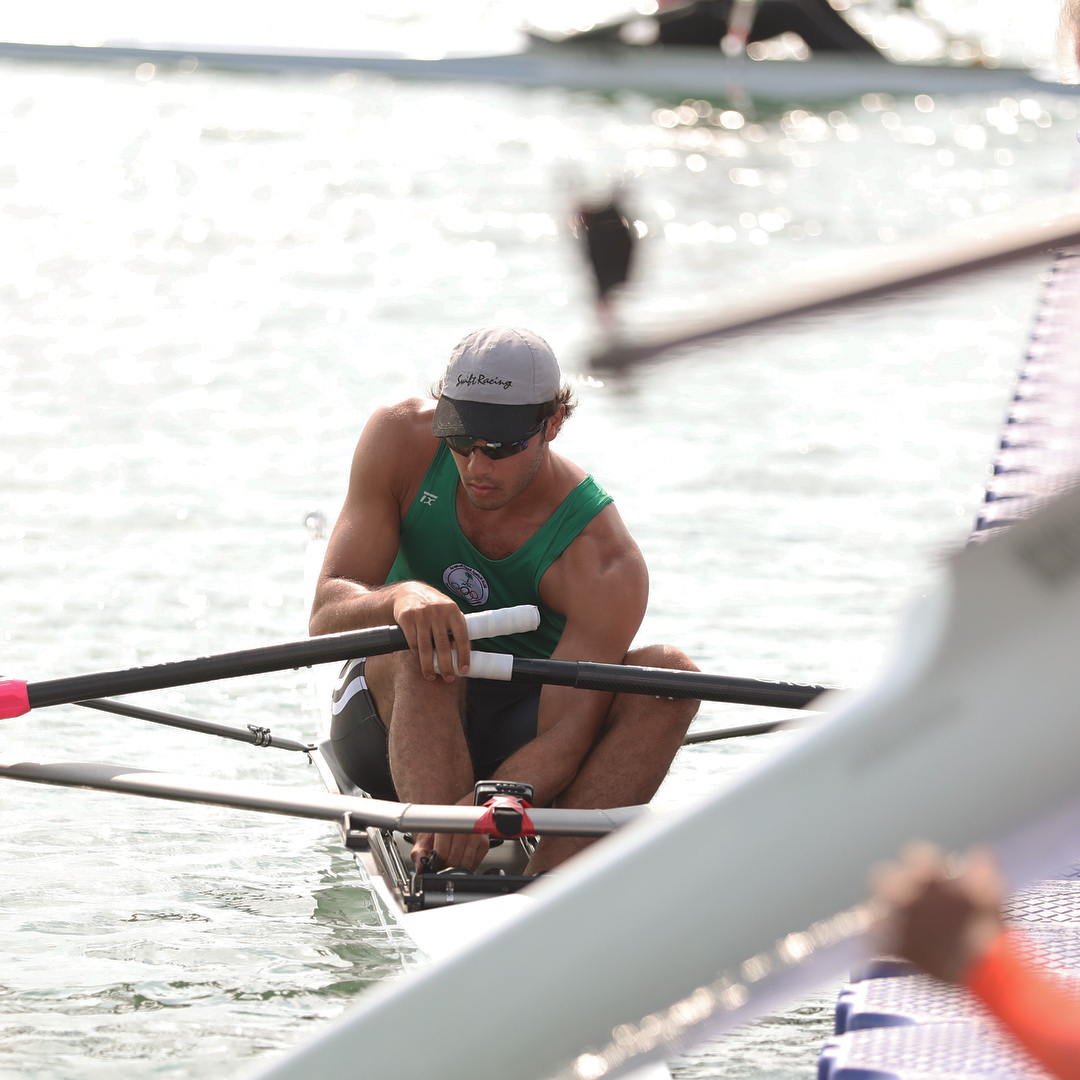
Rowing can look peaceful from the outside. A boat glides across the water. The movement looks smooth. The rhythm feels calm. But Husein explains the reality differently:
“From the outside it looks graceful and calm… inside the boat, it’s chaos, anarchy, and pain.”
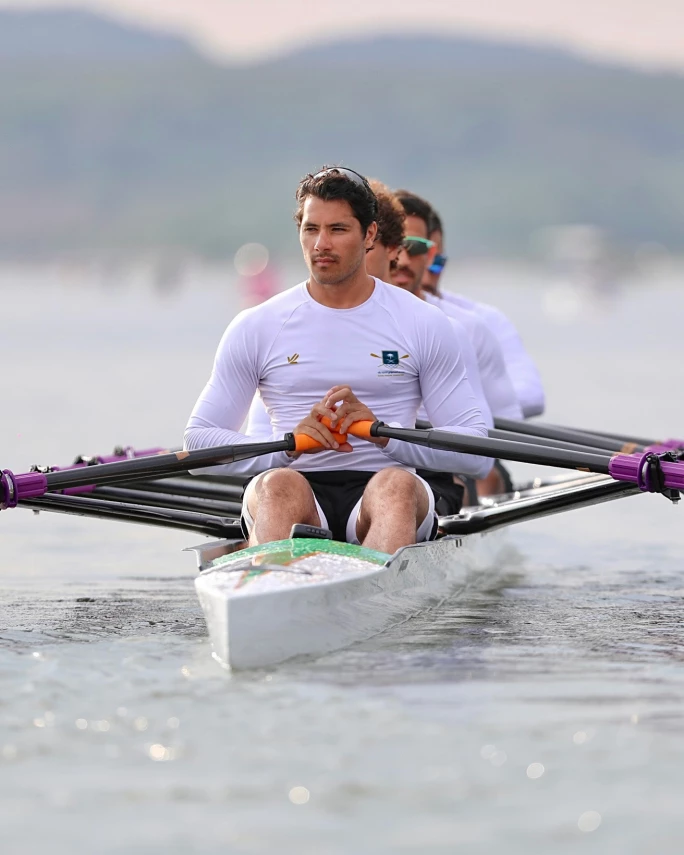
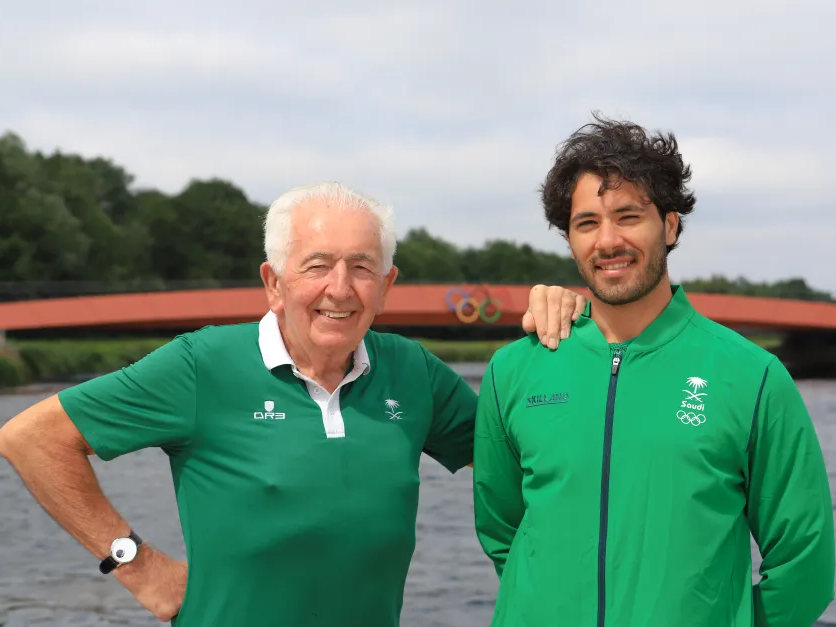
That contrast defines the sport. It also defines the athlete. Elite rowing demanded control over every part of his life. Training. Food. Sleep. Recovery. Social life. Mental focus. Every detail mattered. His coach, Bill Barry, helped shape that mindset. Barry brought Olympic-level experience and a clear message: if Husein wanted to compete seriously, he would need to sacrifice seriously. That lesson stayed with him. The boat became more than equipment. It became a daily test. Every stroke asked for discipline. Every session demanded patience. Every race exposed the truth of preparation.
Building Saudi Rowing From the Ground Up
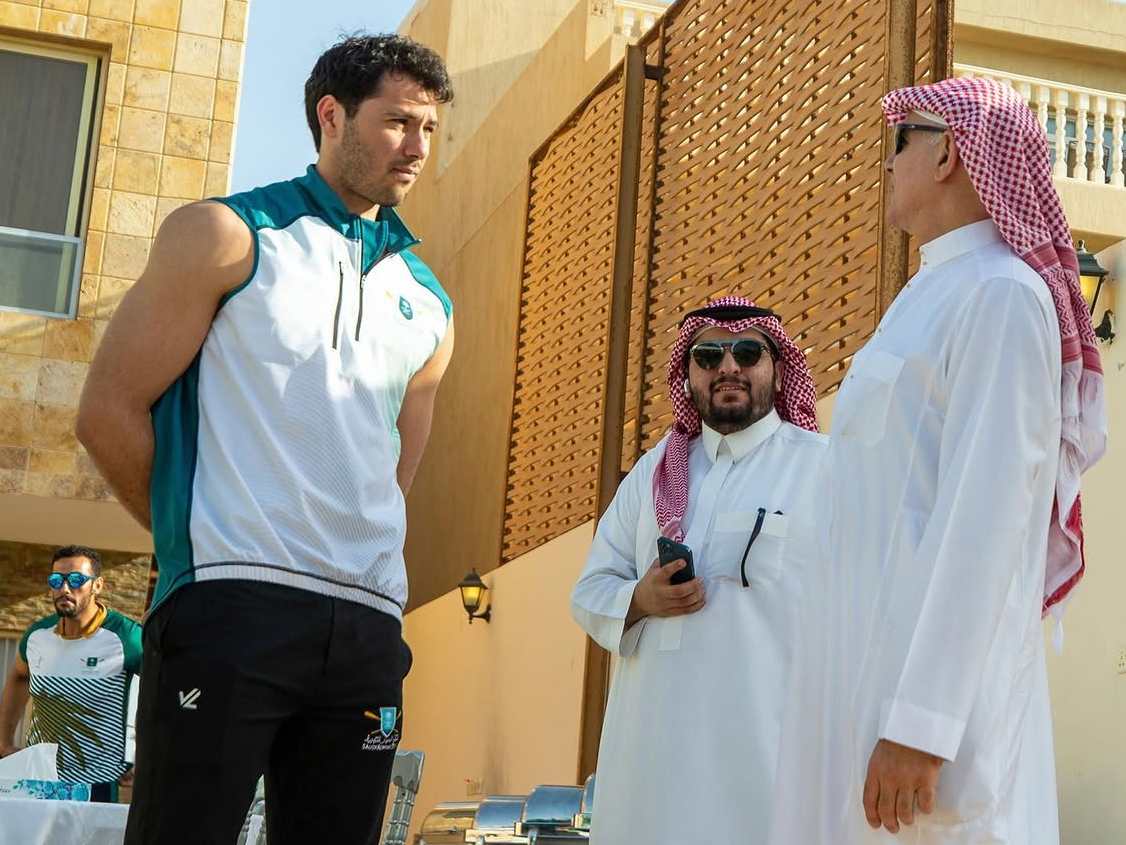
Husein Ali Alireza's journey became bigger than personal achievement because Saudi Arabia did not have a long-established Olympic rowing pathway when he began. That is where his leadership stands out. He helped co-found the Saudi Rowing Federation and became one of the main public faces of the sport in the Kingdom. This was not entrepreneurship in the traditional startup sense. It was sports entrepreneurship through institution-building.
He helped turn rowing from a personal passion into a national possibility. New sectors are not built only by investors and executives. They are also built by athletes who ask difficult questions, create access, and open doors for the next generation. Husein did not only want to compete for Saudi Arabia. He wanted rowing to have a future in Saudi Arabia.
The First Saudi Rowing Medal
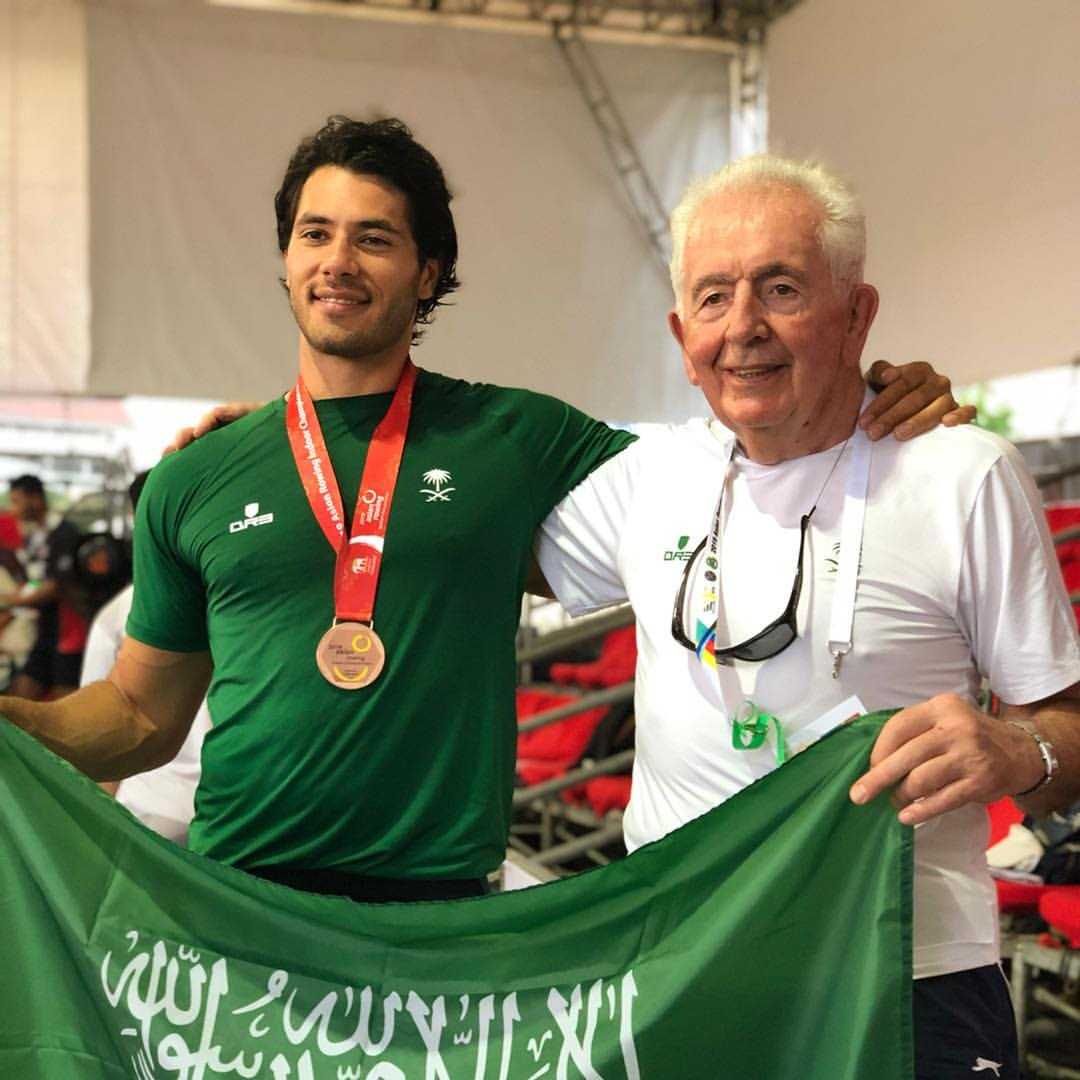
Before Tokyo, Husein Ali Alireza achieved another important milestone. In 2019, he won bronze at the Asian Indoor Rowing Championships in Thailand. That medal carried historical weight. It was Saudi Arabia’s first international medal in rowing. For a young rowing ecosystem, this was more than a podium finish. It was proof that Saudi athletes could compete in a sport that was still new to the national conversation. It also gave Husein’s Olympic dream more credibility. The path was no longer only imagined. It had results behind it.
The Road to Tokyo 2020
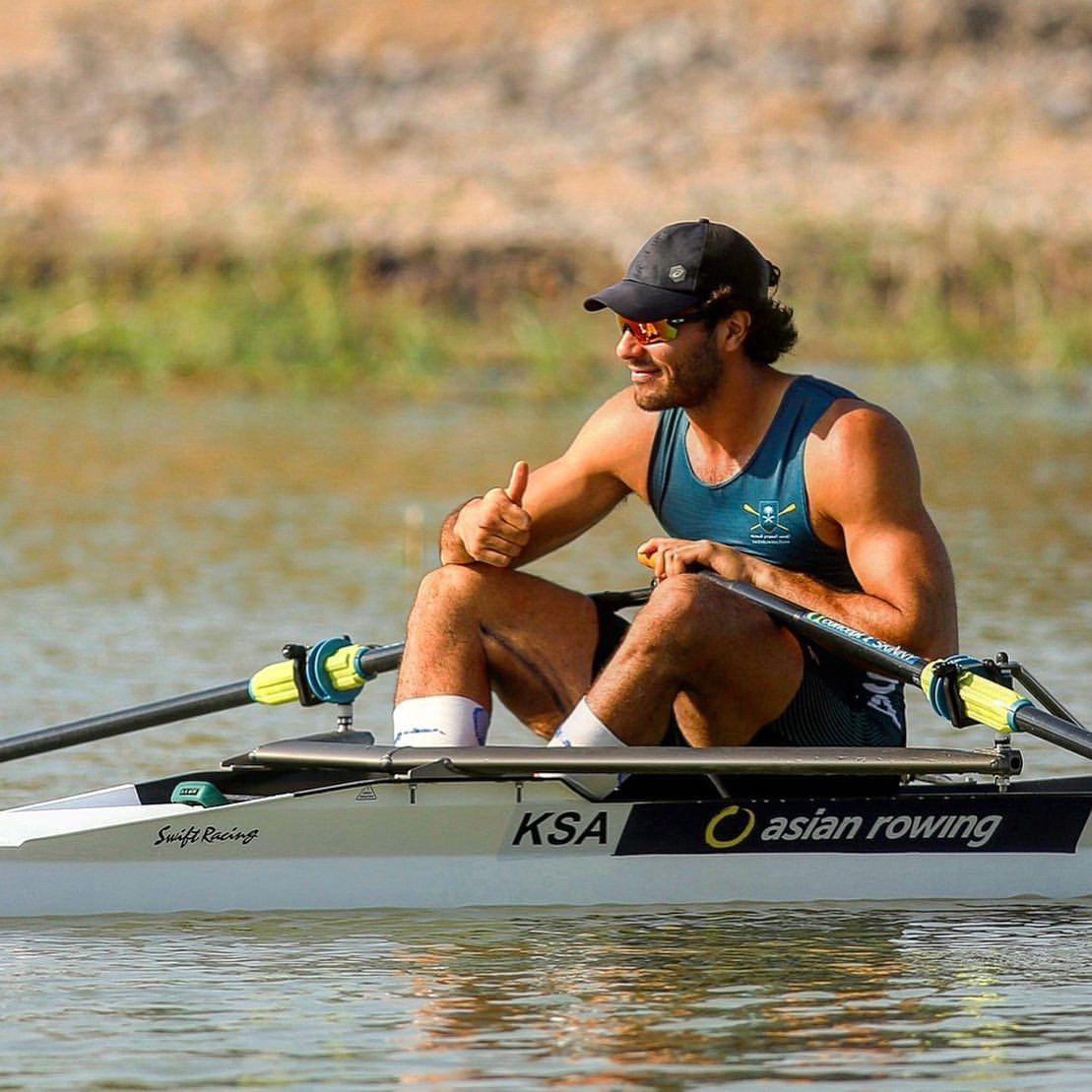
The road to Tokyo tested Husein in every way. On May 7, he fractured his ribs during a race, puncturing and collapsing his left lung. On June 8, he underwent surgery because the injury would not heal naturally in time for the Olympics.
“After waking up with a drainage tube sticking out of my ribs that would remain for 3 days, the thought of competing in just over a month’s time seemed inconceivable as I was completely immobile.”
After seven weeks away from training and five kilograms lost, he restarted on June 22. One day later, he tested positive for COVID. His preparation could hardly have been more difficult. Some suggested a medical withdrawal to protect his image, but Husein never considered it. For him, representing Saudi Arabia gave the moment a purpose beyond performance. The badge on his chest mattered. The flag mattered. The people he represented mattered.
“Representing your country, wearing that badge on your chest, is such an unbelievable honor.”
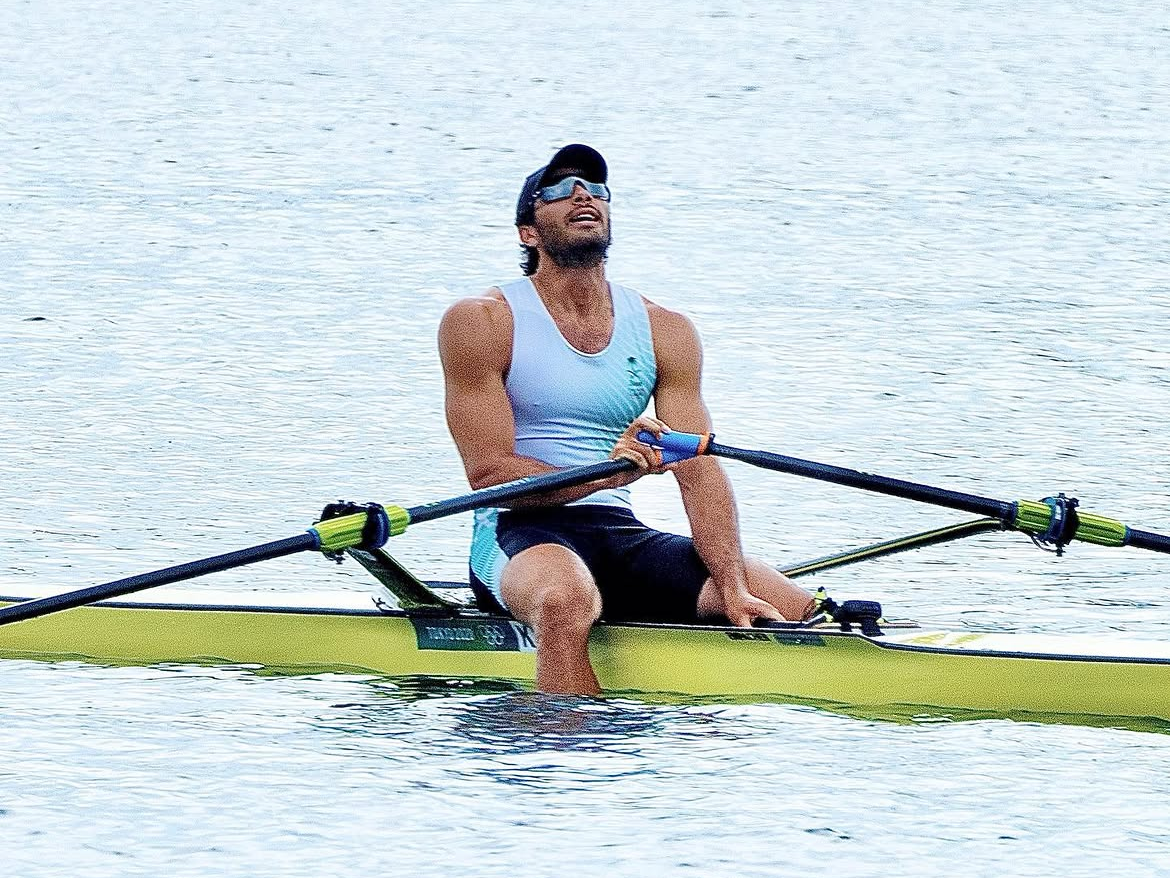
He raced five times in one week after nearly two months without racing. Against expectation, he reached the quarterfinals and helped put Saudi Arabia on the Olympic rowing map. His Tokyo journey became a lesson in courage: fear should not come from trying and failing, but from never trying at all.
Carrying the Saudi Flag
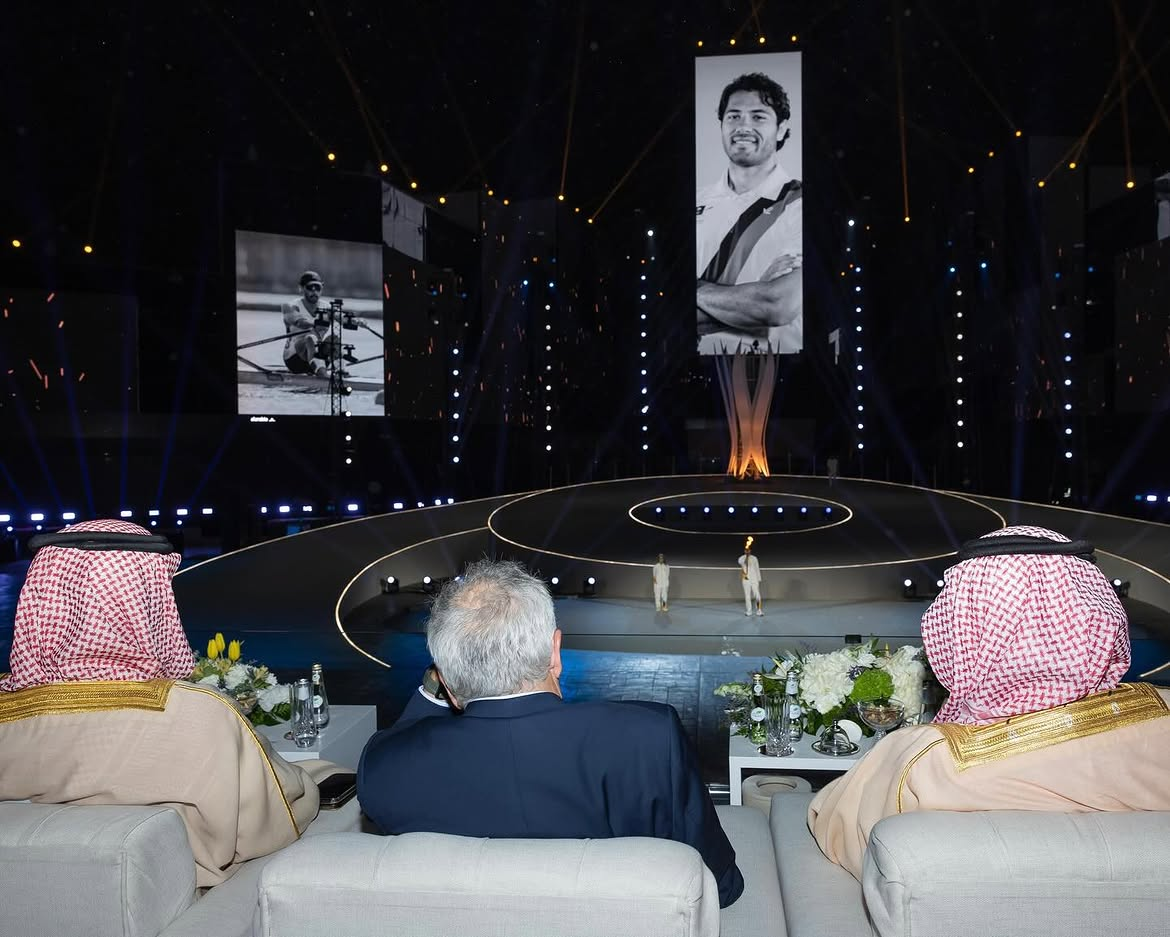
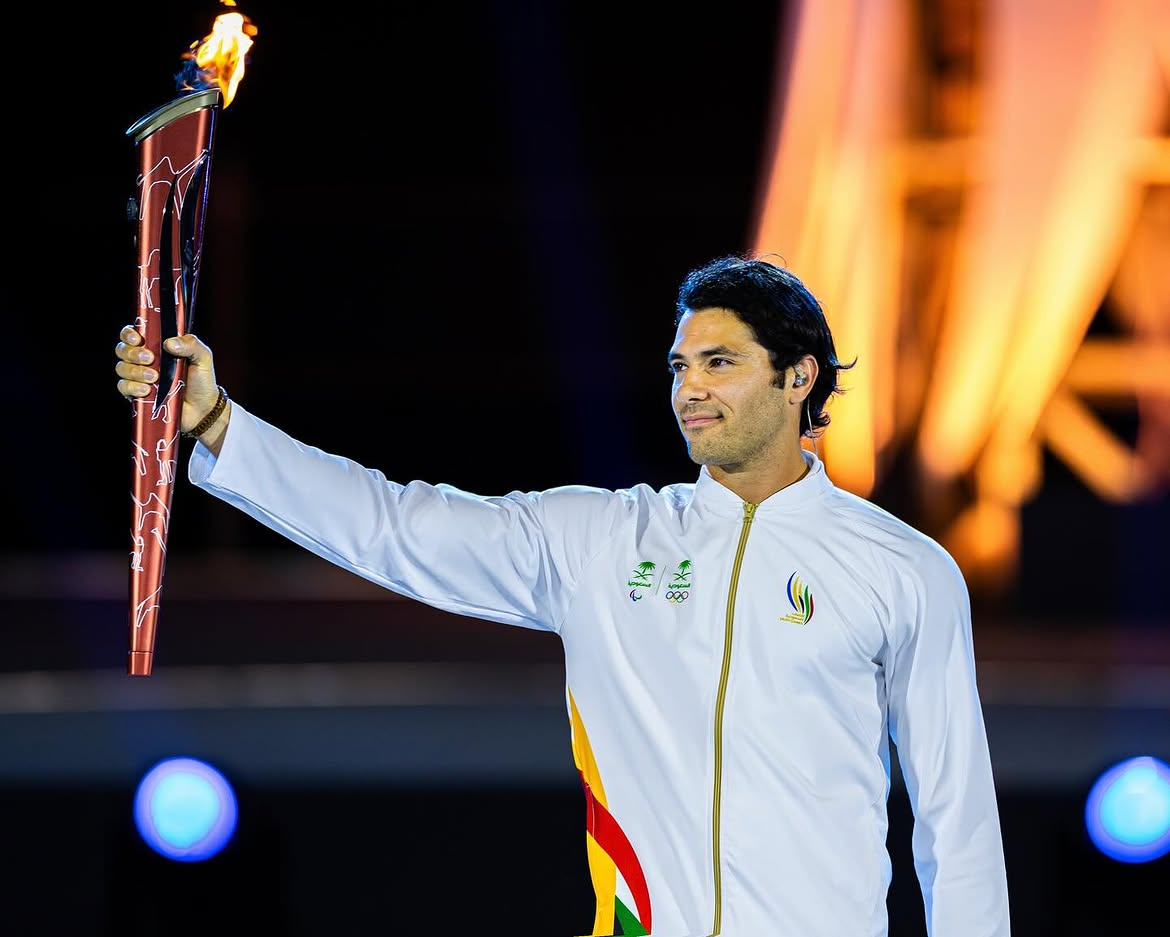
At Tokyo 2020, Husein Ali Reza became one of Saudi Arabia’s flag-bearers at the Opening Ceremony, alongside sprinter Yasmeen Al-Dabbagh. It was a defining image. A Saudi rower, from a sport with little national history, walked into the Olympic stadium carrying the Kingdom’s flag. For Husein, it was one of the greatest moments of his life. For Saudi sport, it was a sign of expansion.
The moment showed that the Kingdom’s athletic identity was growing. Saudi athletes were entering new disciplines. They were telling new stories. They were showing young people that national pride can be carried in many forms. Football may be the most visible sport, but the future of Saudi sport is wider. It includes rowing. It includes women’s sport. It includes new federations. It includes athletes willing to take the first step.
Reaching the Olympic Quarterfinals
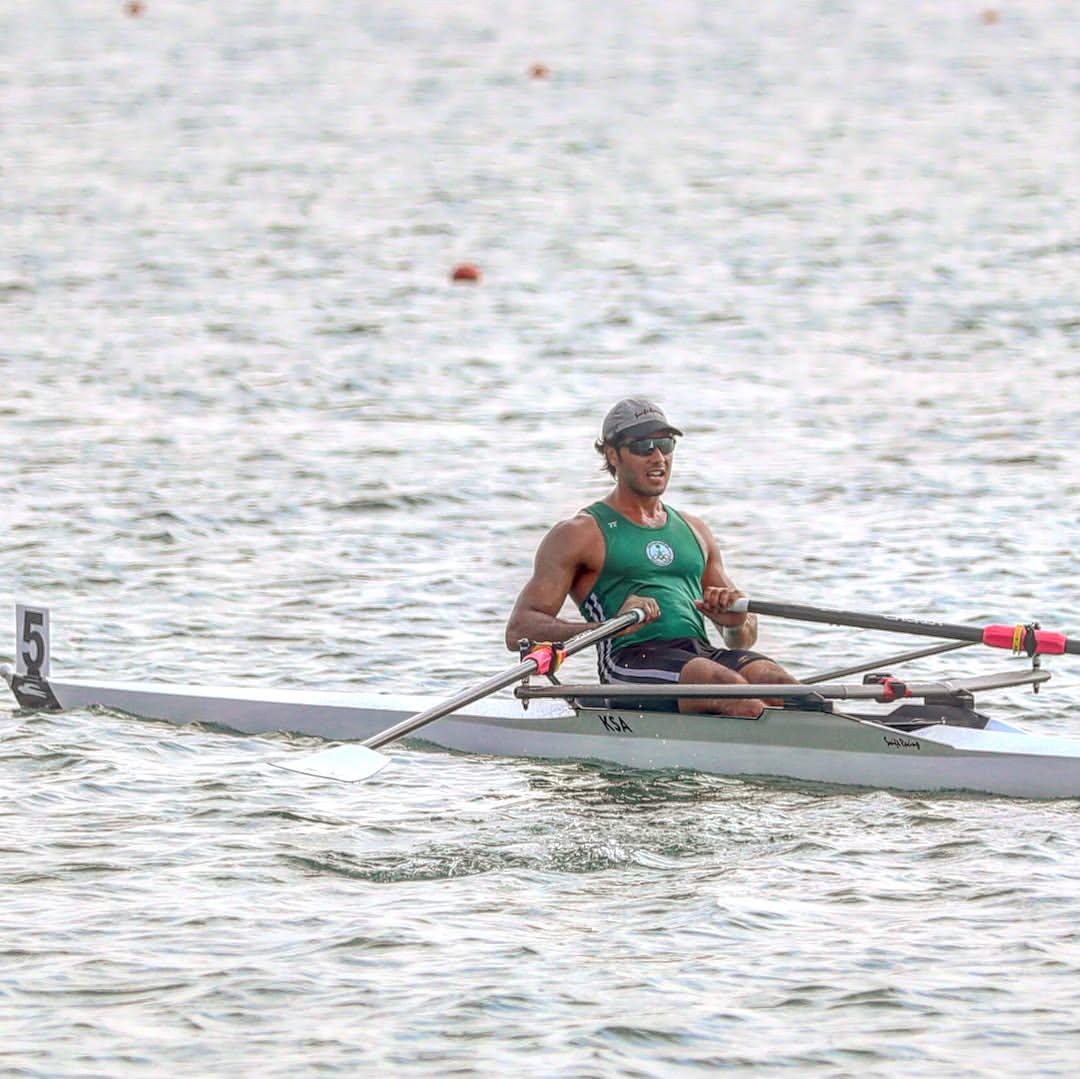
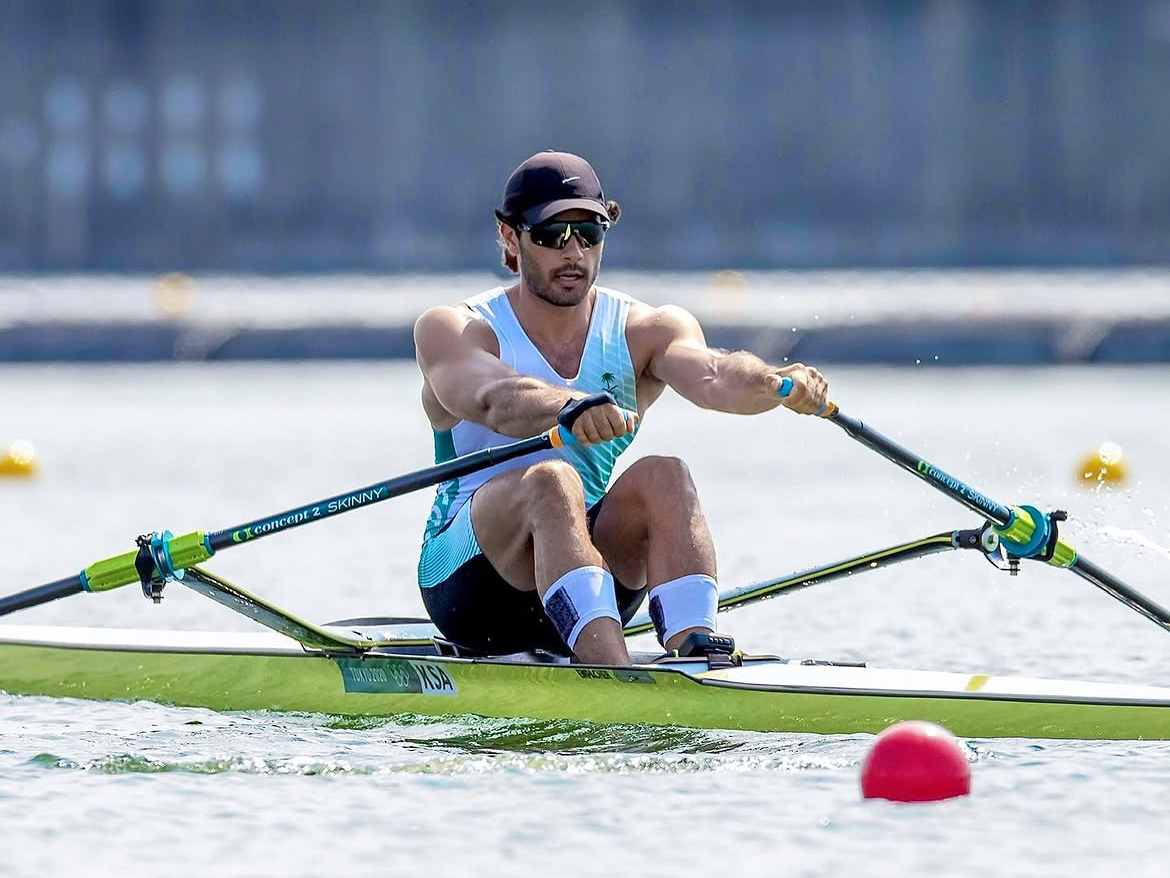
In the men’s single sculls at Tokyo 2020, Husein Ali Reza advanced through the repechage and reached the quarterfinals. He finished 24th overall, becoming the first Saudi rower to leave a mark on the Olympic rowing stage.First appearances can sometimes be symbolic. Husein’s was competitive. He fought through the race, earned progression, and showed that Saudi rowing belonged in the Olympic conversation. The quarterfinals became one of the clearest achievements of his athletic career. They also gave the Saudi Rowing Federation a stronger foundation for the athletes who would come next.
The Olympic Museum Recognition
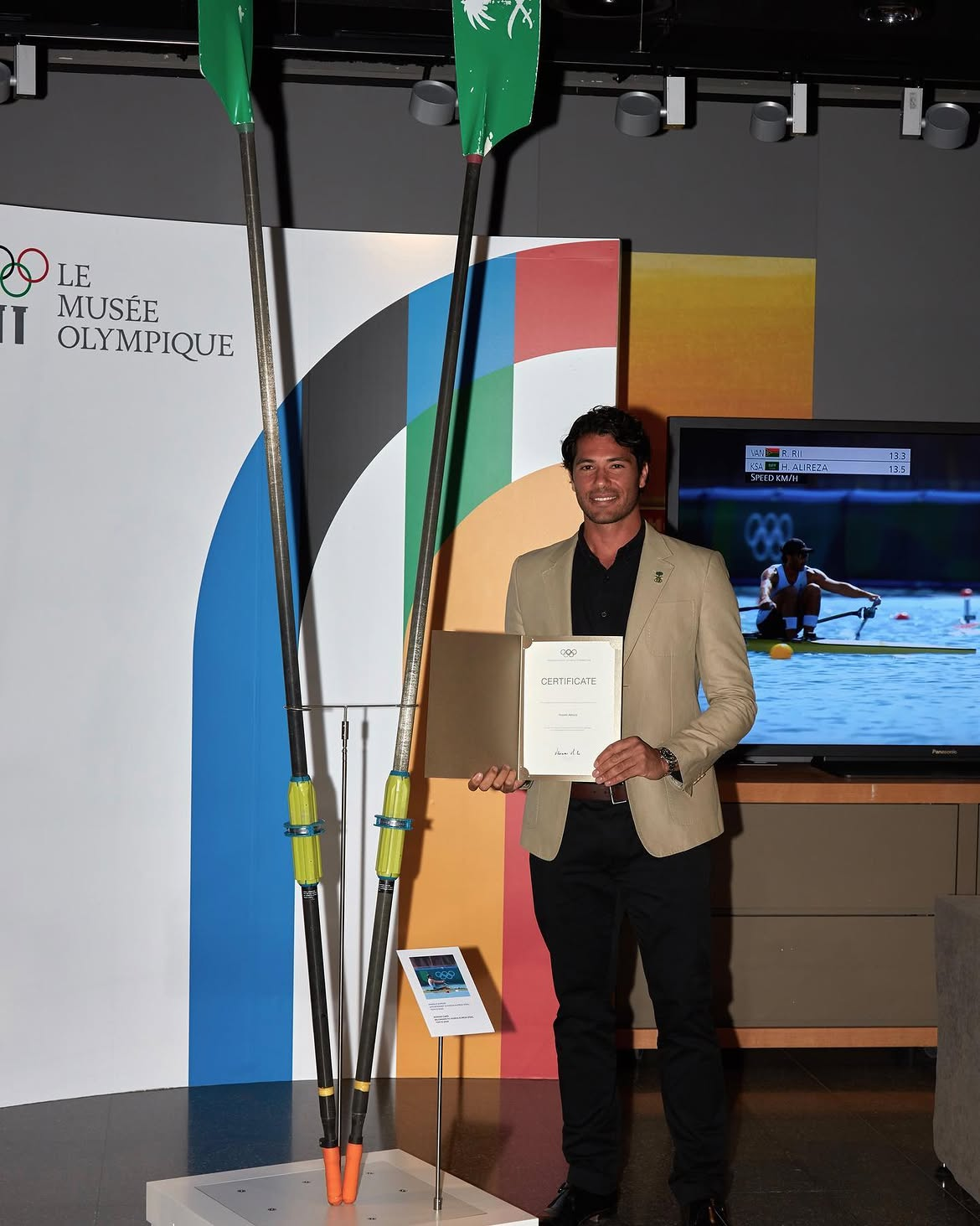
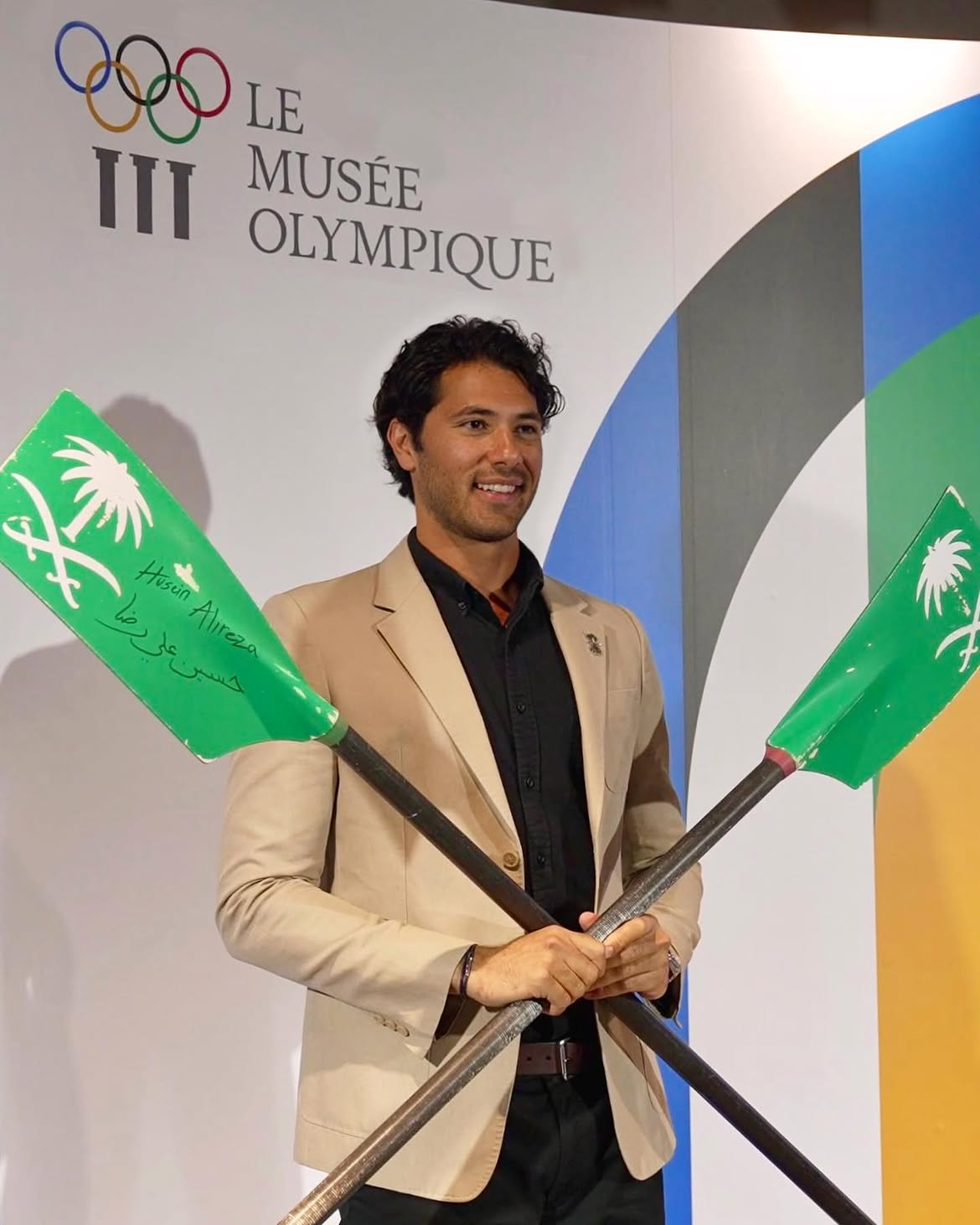
After Tokyo, Husein Ali Reza’s story entered Olympic memory in a special way. His Tokyo 2020 oars were donated to The Olympic Museum in Lausanne, making him the first Saudi athlete recognized in that way by the museum.
“It’s myself and my father on this journey together and our ultimate goal is to build a very strong foundation for this sport in the future. We’re growing the sport in a country without rivers or lakes. It’s sort of like the Jamaican bobsleigh thing.”
The symbolism is powerful. Those oars represent more than equipment. They carry the story of a Saudi first. They represent years of training, sacrifice, national pride, and the birth of a new Olympic pathway for the Kingdom. For Saudi rowing, this was a historic moment. It placed the sport’s first Olympic chapter inside one of the most important spaces in global sport.
From Athlete to Sports Administrator
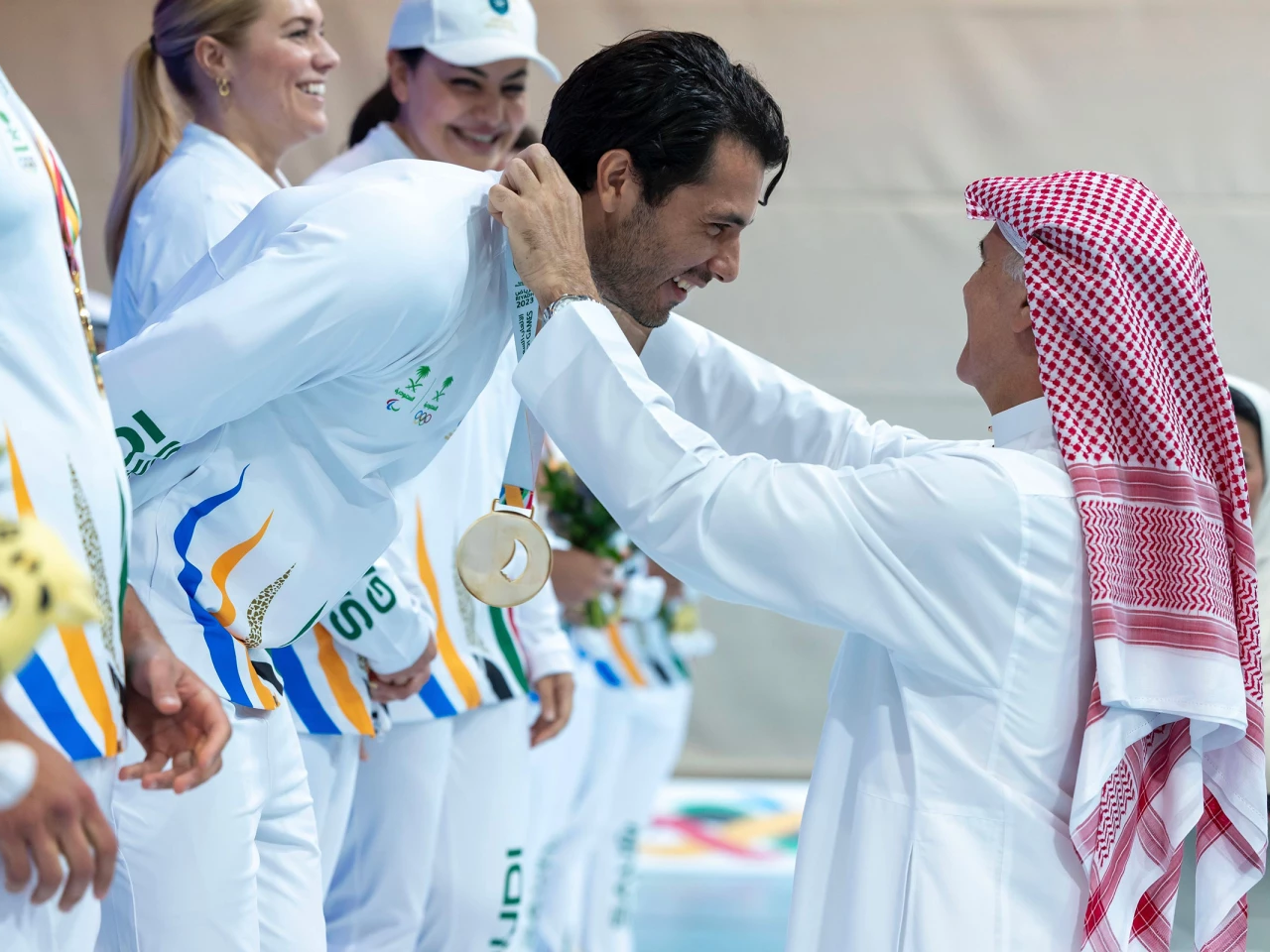
After Tokyo, Husein Ali Reza’s role expanded beyond competition. He became active in sports leadership, athlete advocacy, and international representation. He served as an ambassador for Peace & Sport and became involved in athlete committees and sports governance. He was elected to the Olympic Council of Asia Athletes’ Committee during the Asian Games in Hangzhou. Later, he was appointed to the IOC Athletes’ Commission, becoming the first Saudi athlete to join the commission.
This is an important second chapter. Athletes need people who understand their experience from the inside. Husein knows what it means to train without a fully developed pathway. He knows the pressure of representing a country. He knows the emotional and physical cost of elite sport. That gives his voice weight. His move into sports administration shows that leadership does not have to begin after a career ends. It can grow from the experience of competing, building, and listening.
Inspiring Movement Beyond Medals
One of the strongest parts of Husein’s impact is his desire to get people moving.
“The most rewarding thing for me is to inspire people to move.”
That sentence connects directly to Saudi Arabia’s wider sports transformation. Not every young person will become an Olympian. Not every athlete will carry a flag. But every person can move. Every person can build healthier habits. Every person can discover confidence through sport. This is where Husein’s legacy becomes broader than rowing. He is not only inspiring elite athletes. He is also encouraging young Saudis to try, train, participate, and believe that sport belongs to them.
Vision 2030 and the Future of Saudi Sport
Husein’s journey reflects the spirit of Vision 2030. The Kingdom is investing in sport, wellness, quality of life, local talent, and global participation. Husein’s story brings those goals to life through one athlete’s journey. He helped grow a new sport. He represented Saudi Arabia at the Olympics. He helped build federation-level foundations. He moved into global athlete advocacy. He showed that leadership can come from taking responsibility before the path is fully clear.
His journey also reflects inclusion and diversification. Saudi sport is expanding beyond traditional spaces. New disciplines are gaining attention. More young people are seeing sport as a serious part of the national future. Rowing may begin on the water, but Husein’s story reaches far beyond it.
Follow Riyada Hub for the wins, stories, and insights shaping the future of Saudi sports.


