



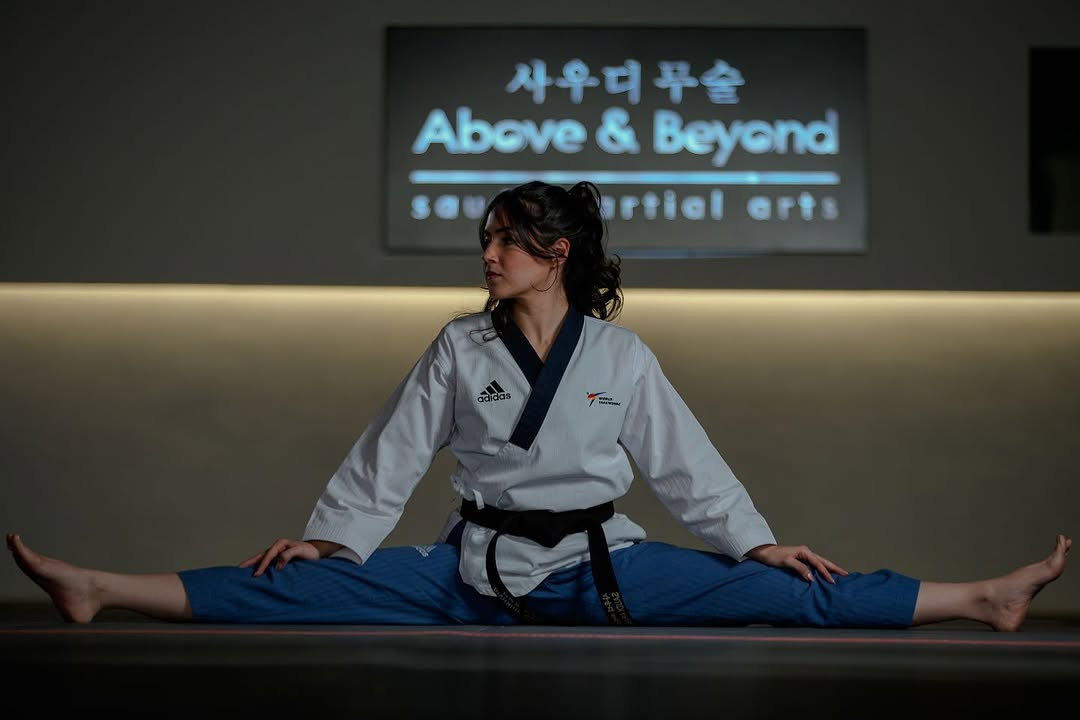
Abrar Bukhari’s story reflects the transformation taking place across Saudi sport. She is a national-team taekwondo athlete, a certified fifth-dan master, a coach, and the founder of Above and Beyond Academy, also known as AB Academy. Her career has moved from competition to leadership, and from personal achievement to building opportunities for women and children.
Her medals tell one part of the story. Her wider impact comes from what she is creating around them.
Discovering Confidence Through Taekwondo
Abrar Bukhari began practising taekwondo during her teenage years. At the time, the sport offered more than physical training. It became a way for her to build confidence, develop discipline, and become more comfortable interacting with others. That early experience shaped the way she later viewed martial arts.
Taekwondo was not only a competitive discipline. It was a tool for personal development. This understanding became especially important as Bukhari entered formal competition. Saudi women’s sport was still developing. Training facilities were limited. Competitive structures were less established. Female athletes had fewer visible role models and fewer clear routes into national representation.
Bukhari continued despite those barriers. She trained, entered international events, and became part of an early generation of Saudi women representing the Kingdom in taekwondo. Her journey was not built on a ready-made pathway. She advanced while that pathway was still being formed.
Making History for Saudi Women’s Taekwondo
Abrar Bukhari’s competitive record began to attract wider attention as she earned medals across the region. Her early achievements included gold at the Arados Championship in Bahrain in 2017 and bronze at the El Hassan International Open in Jordan. She also competed at the World Taekwondo Championships in Manchester, gaining exposure at one of the sport’s highest international levels.
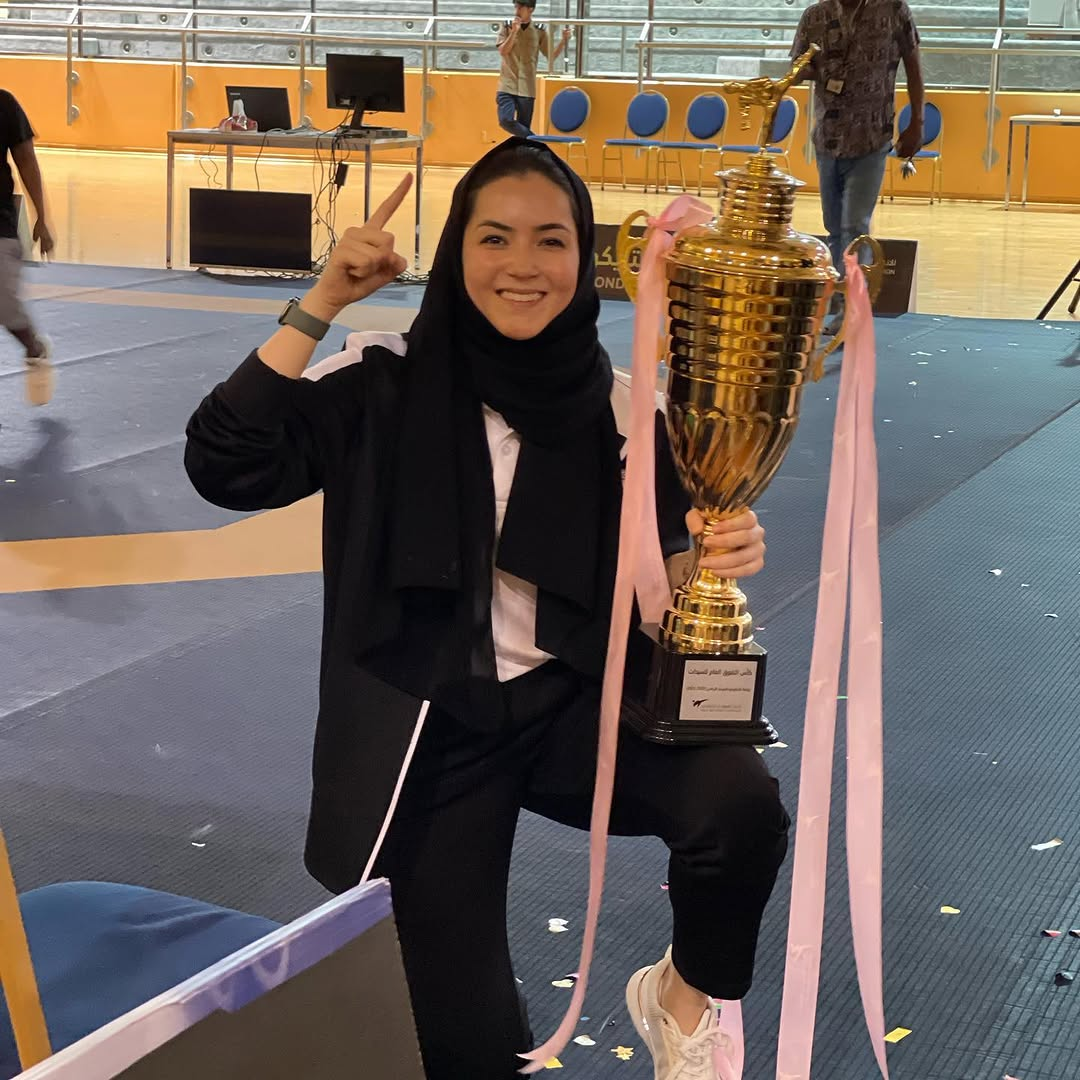
A major breakthrough came in 2019. Bukhari won bronze at the Arab Taekwondo Championship in Morocco. The result was widely reported as the first women’s medal in the history of Saudi taekwondo. The significance extended beyond the podium. The medal showed that Saudi women were not only entering international competition. They were becoming competitive within it. For a developing women’s programme, results like this carry strategic value. They give younger athletes a reference point. They help federations and clubs demonstrate progress. They also show families and communities that international sporting careers are possible.
Bukhari later added further regional experience, including a reported Gulf-level silver medal in Kuwait and bronze at the Arab Open in Fujairah. Each competition strengthened her technical knowledge. It also increased her understanding of what Saudi athletes need to perform internationally: structured preparation, qualified coaching, suitable facilities, and regular access to high-level competition.
Expanding from Kyorugi to Poomsae
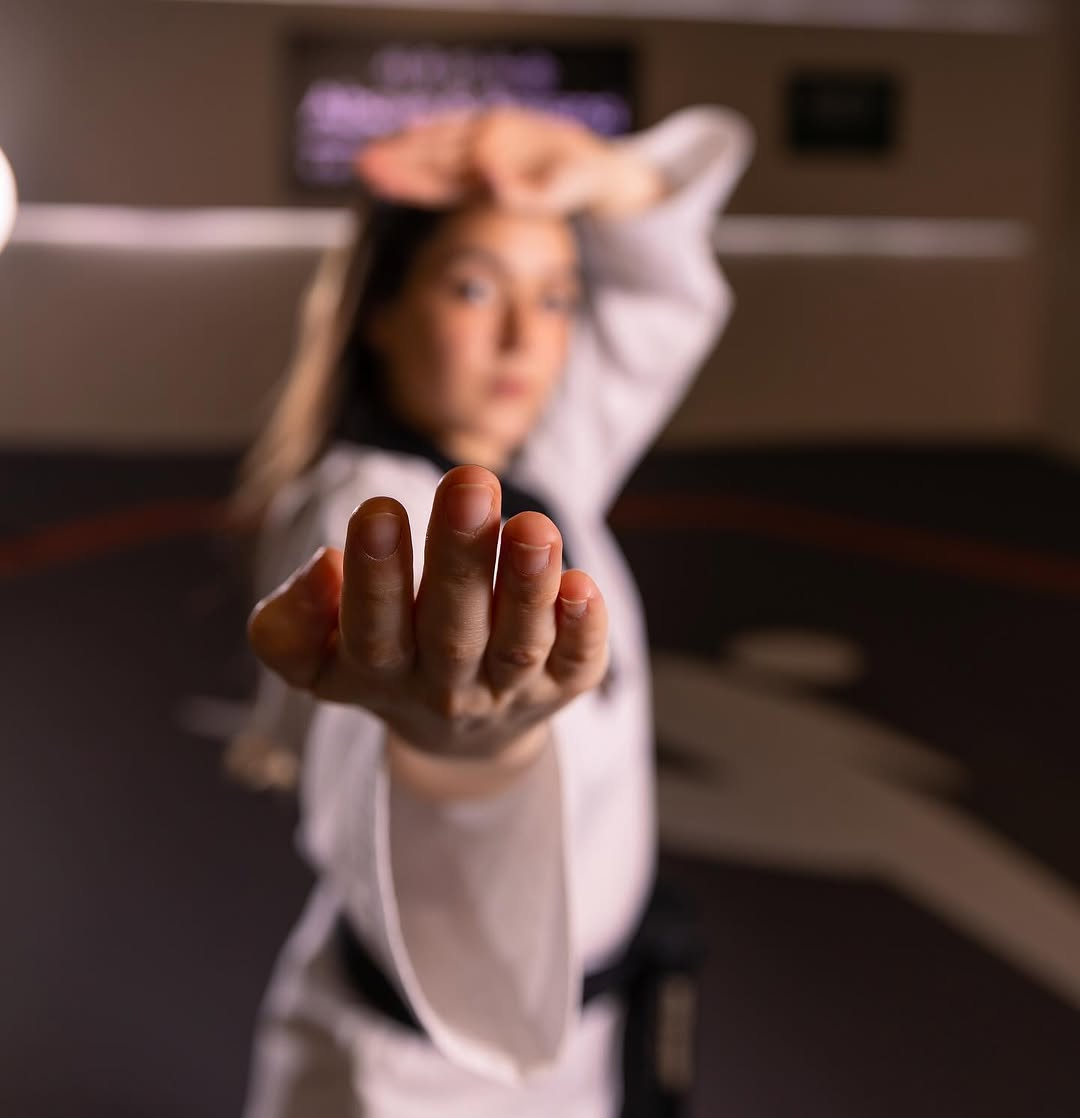
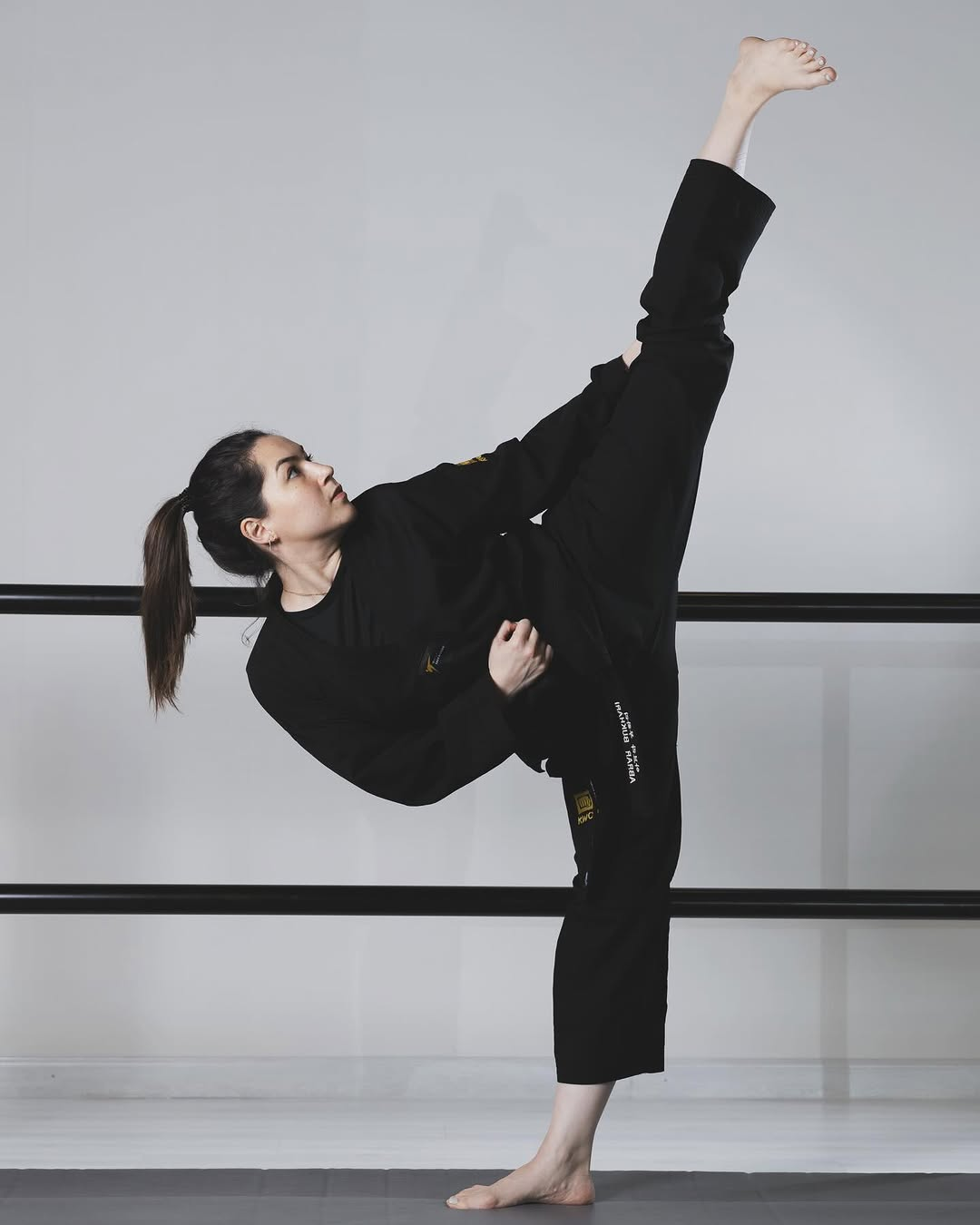
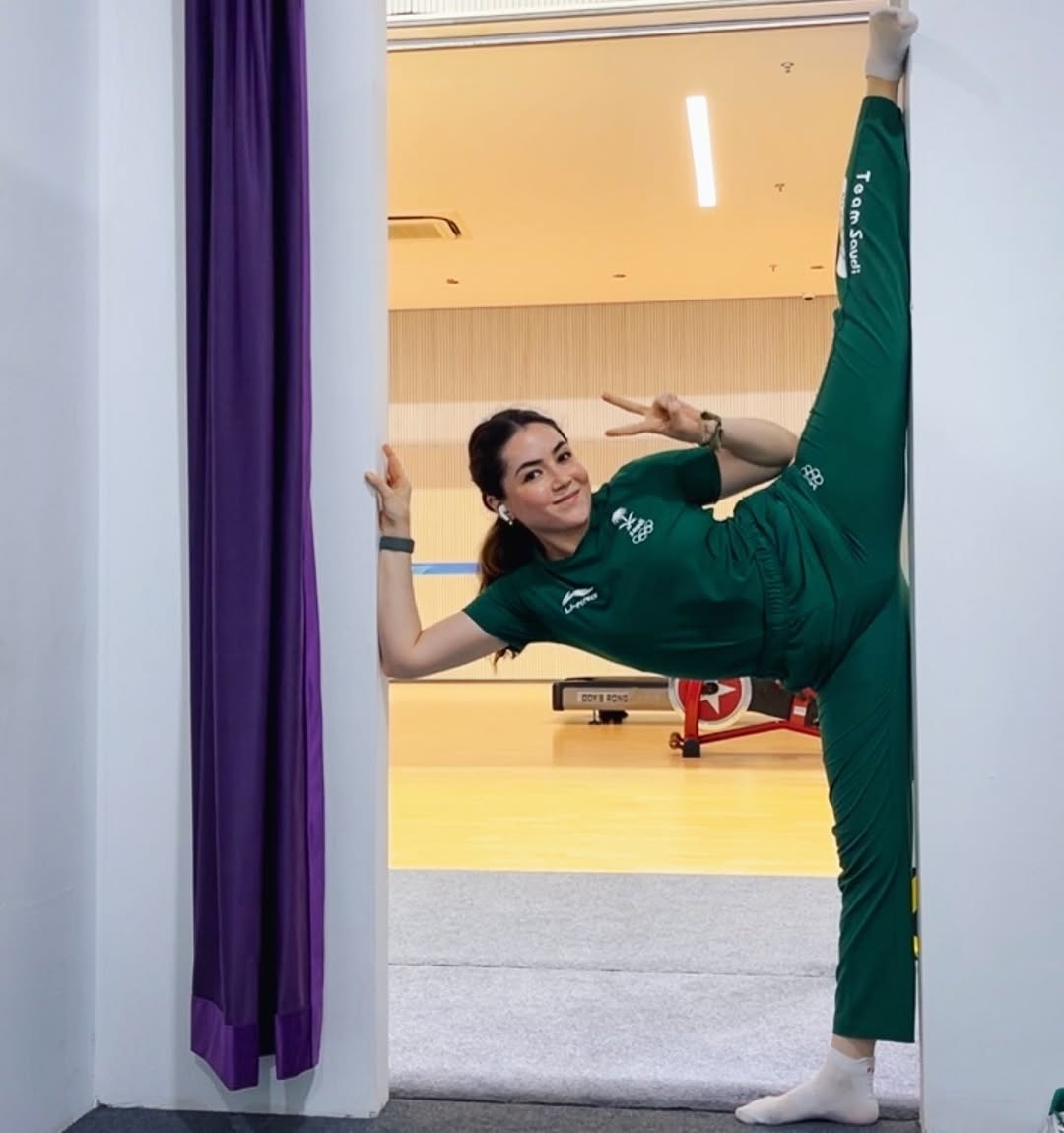
Abrar Bukhari’s career is notable because she competed across two different taekwondo disciplines. Kyorugi is the combat side of the sport. It requires speed, timing, tactical awareness, and the ability to respond under pressure. Poomsae is based on set sequences of movement. Athletes are judged on precision, power, balance, control, and technical presentation. Success in both requires a broad foundation.
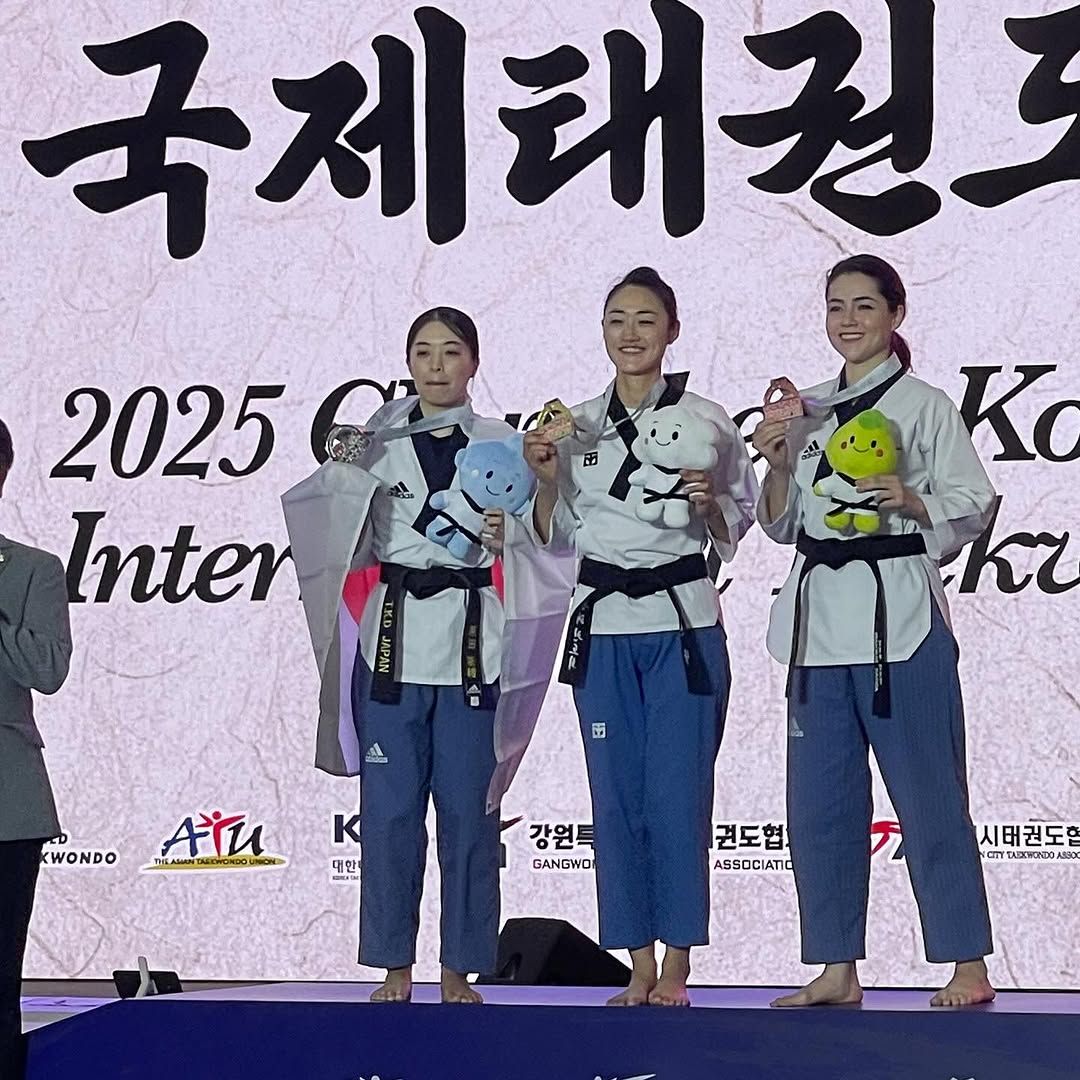
Bukhari’s development in poomsae led to another important international result. In 2022, she won bronze in the women’s under-40 age category at the Chuncheon Korea Open. The medal represented a major achievement in international poomsae and added a new dimension to her competitive career. She later represented Saudi Arabia in women’s individual poomsae at the Hangzhou Asian Games. The Asian Games brought together leading athletes from across the continent. Participation alone placed Bukhari within one of Asia’s most important multi-sport environments.
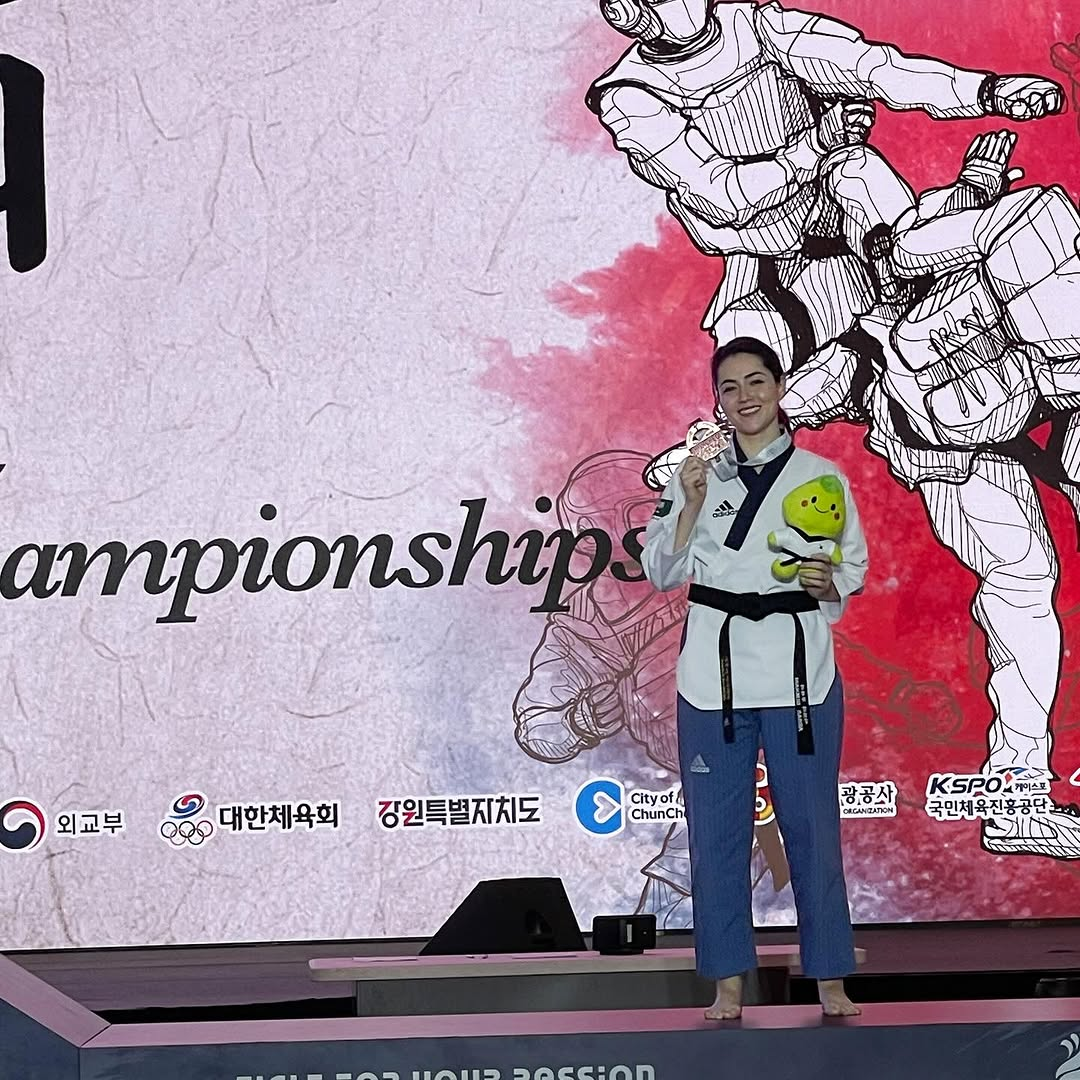
Although international competition is often measured through medals, major events also create other forms of value. Athletes gain technical exposure. They observe different training systems. They experience new standards of preparation. They return with knowledge that can influence teammates, students, and future competitors. For Bukhari, this experience became especially valuable as her role expanded from athlete to coach and founder.
Competing While Building a Sports Venture
Many athletes move into coaching or business after leaving competition. Abrar Bukhari has followed a different path. She has continued competing internationally while developing her academy and coaching responsibilities. In October 2023, she won gold at the Arab Clubs Taekwondo Championships in Egypt. The result demonstrated that she remained competitive after years in the sport. A few months later, she achieved another major result.
In February 2024, Bukhari won gold in the under-40 category at the Turkish Open in Antalya. She competed in a field of eight athletes while representing AB Academy. That detail shows that Abrar Bukhari was no longer competing only as an individual athlete or national representative. She was also carrying the identity of the organisation she had created.
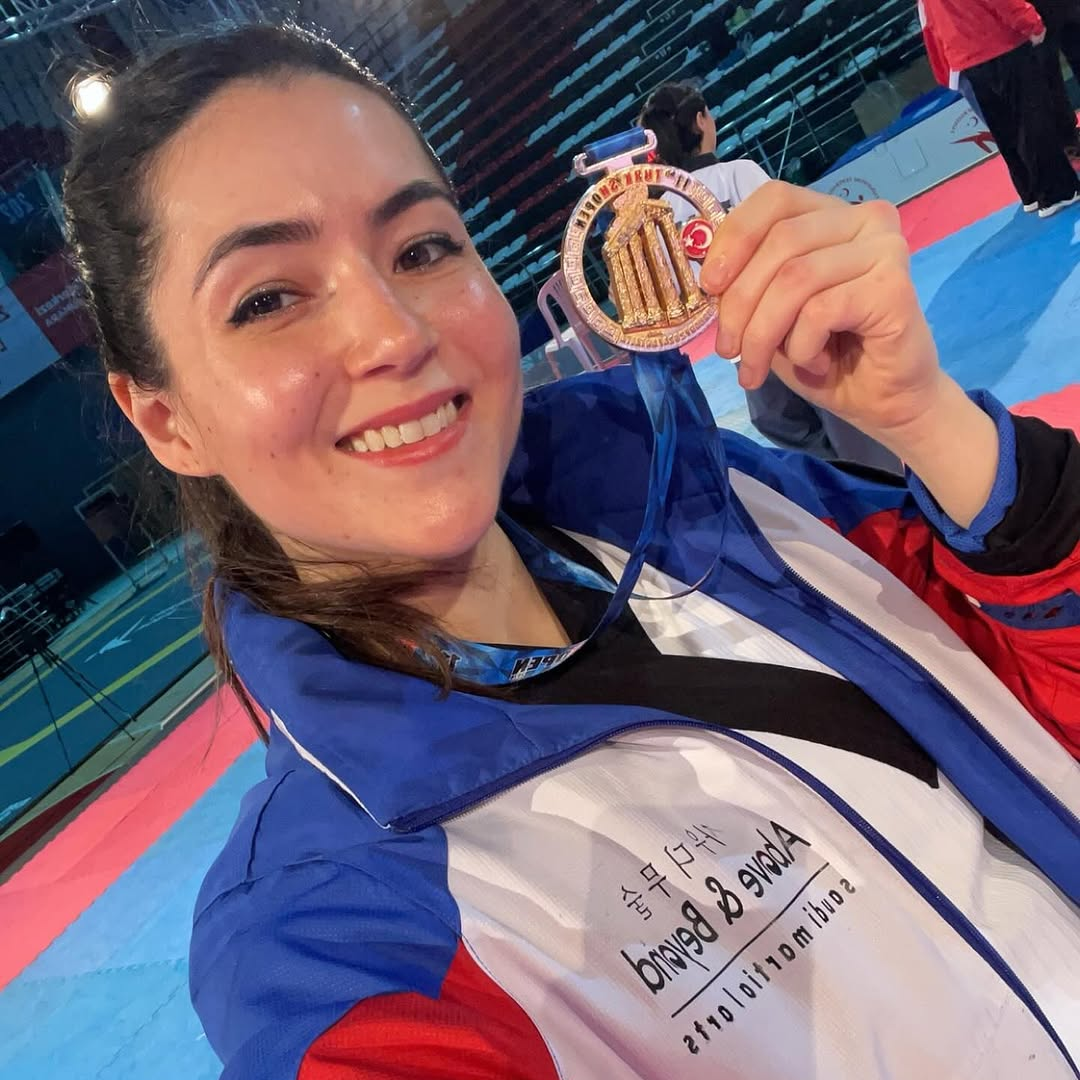
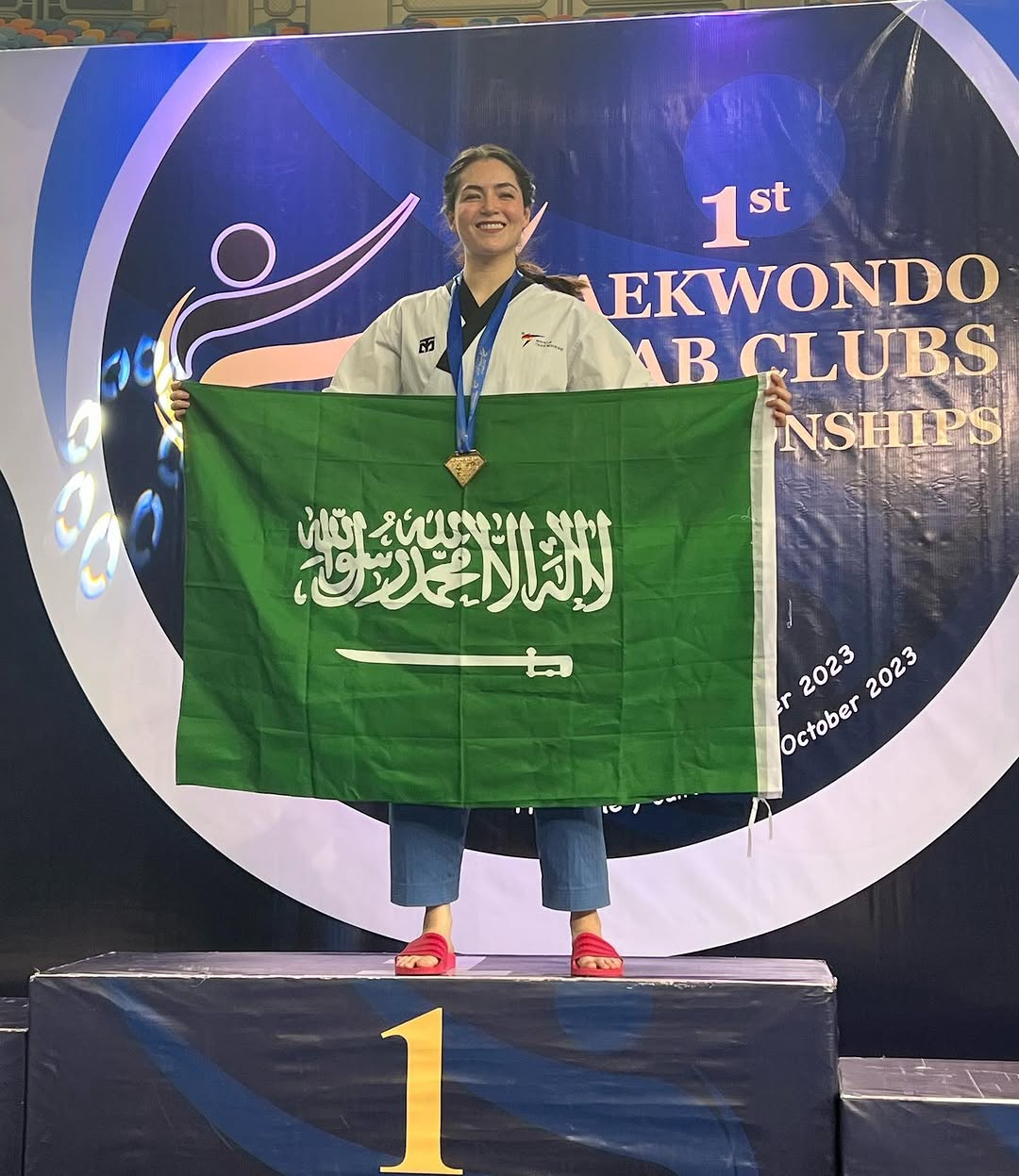
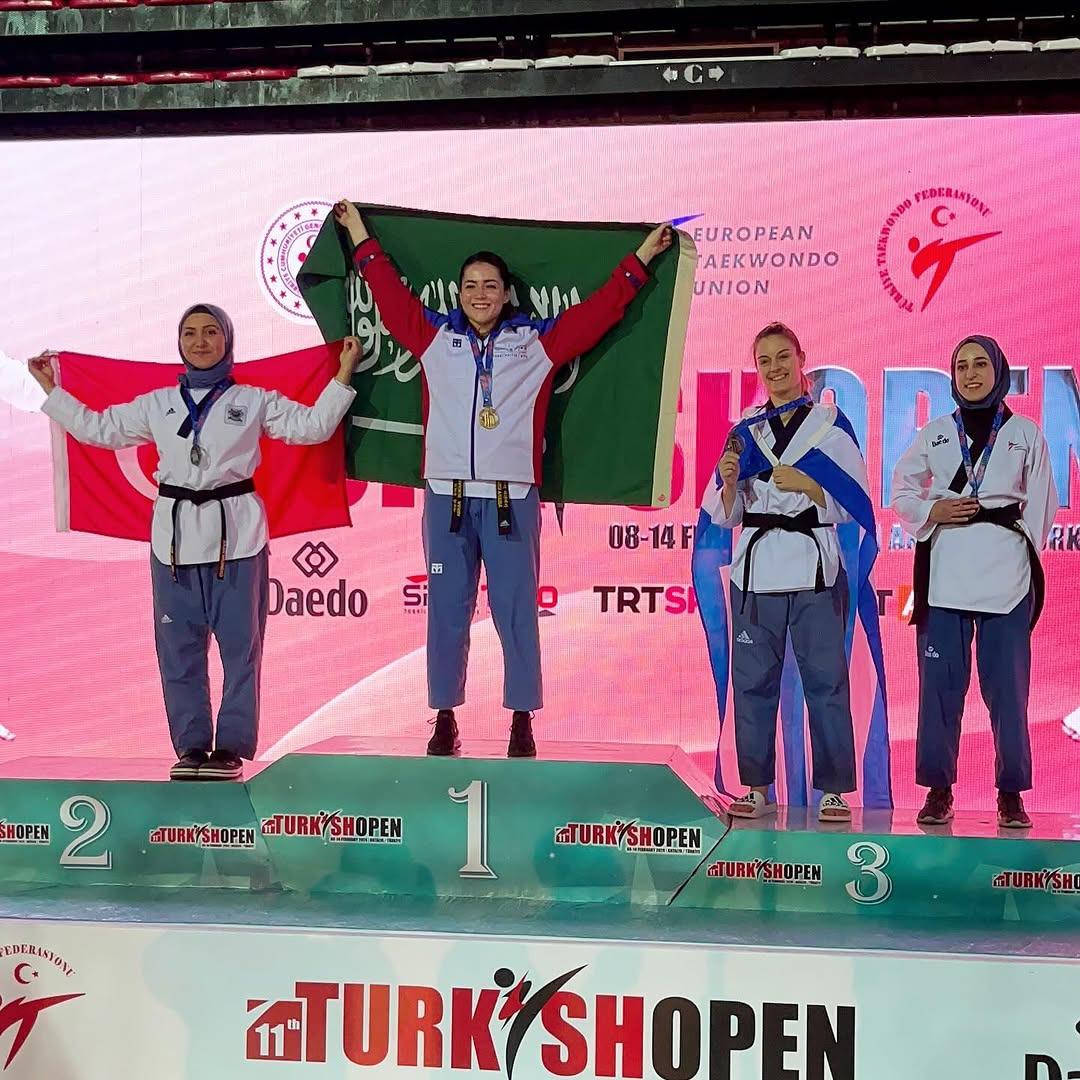
Her result strengthened the academy’s credibility. Parents, students, and young athletes could see that its founder remained connected to international competition and continued applying the standards she taught.
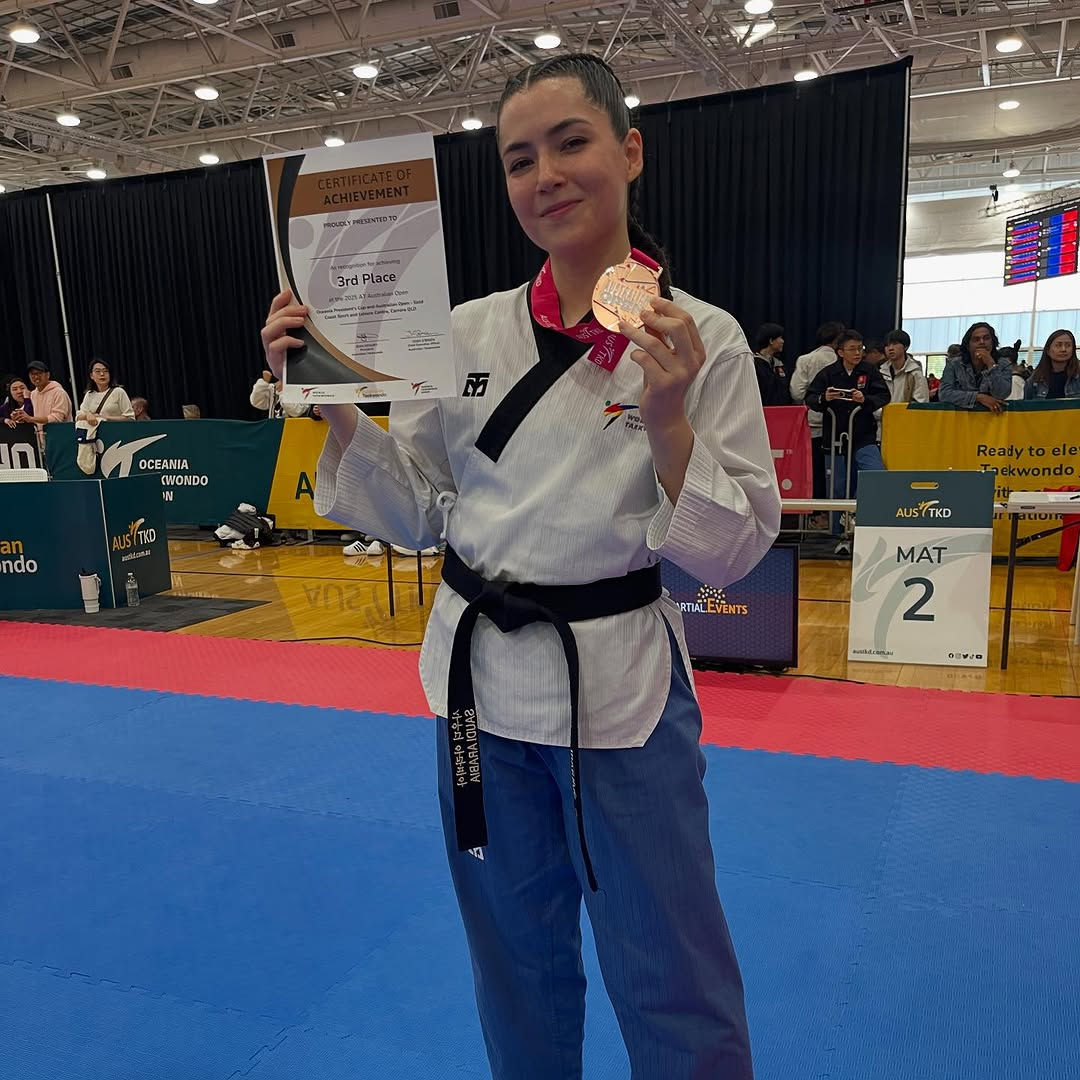
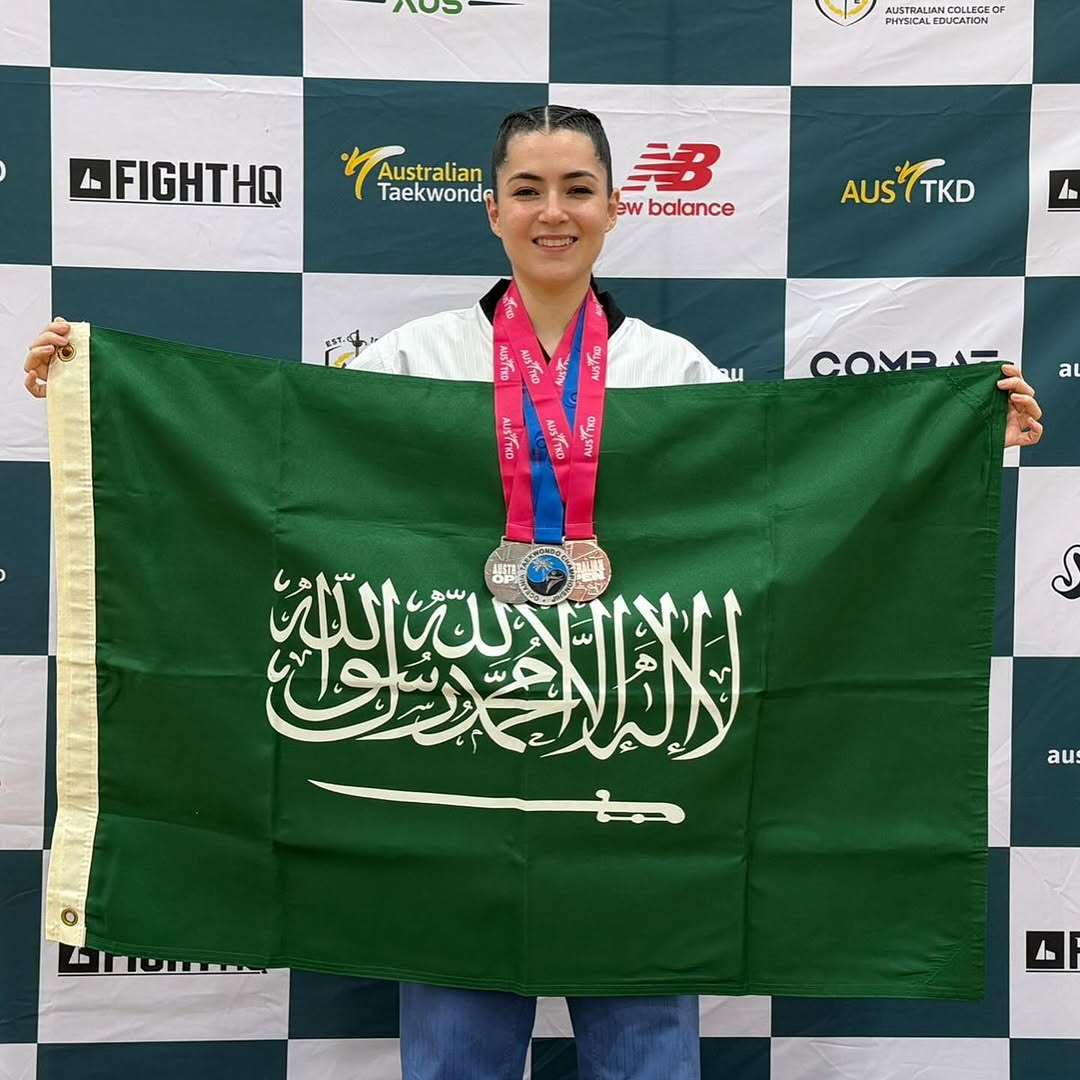
Her recent international activity continued in 2025. She earned third place at the Australian Open. She also participated in the Chuncheon Korea Open International Taekwondo Championships. Together, these appearances show that Bukhari’s competitive story remains active. She is building a venture while continuing to test herself at international level.
Founding Above and Beyond Academy
Abrar Bukhari’s move into entrepreneurship grew from a problem she understood personally. Women and children interested in martial arts needed suitable training environments. Riyadh had demand, but access to dedicated facilities and qualified coaching remained limited. Bukhari responded by founding Above and Beyond Saudi Martial Arts, now publicly associated with the AB Academy name. The academy focuses on martial arts training for women and children. Its work includes taekwondo, physical development, confidence-building, and self-defence.
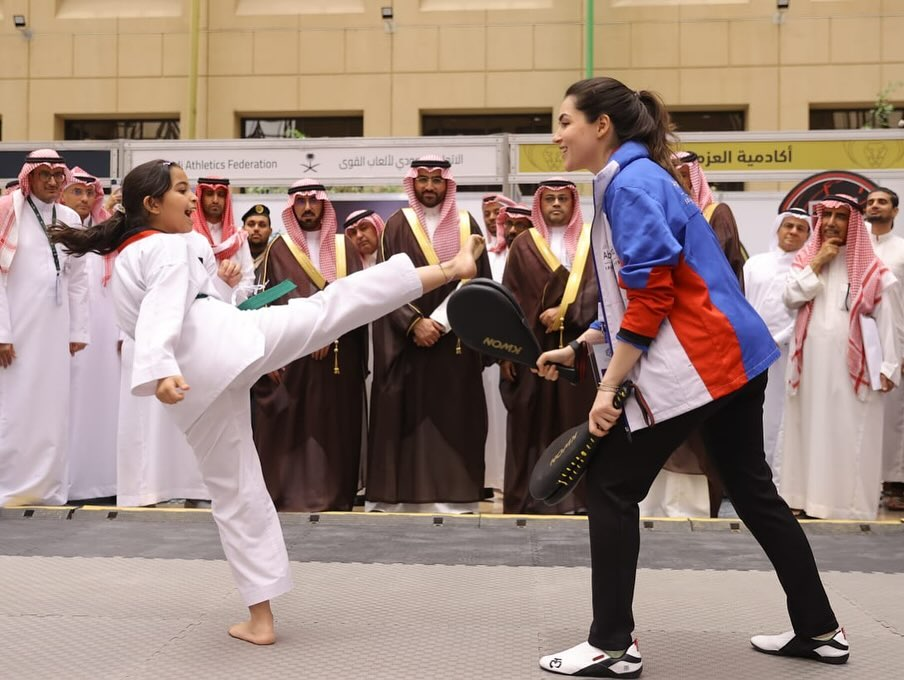
The business reflects a direct connection between athlete experience and market need. Bukhari did not enter the sports sector from the outside. She built her venture around challenges she had experienced herself. This gave her a clear understanding of the customer. Young athletes need safe and structured environments. Parents need confidence in the quality of coaching. Women need spaces designed around their participation. Competitive students need progression, discipline, and exposure to higher standards.
The academy also carries a strong personal-development message. The name “Above and Beyond” reflects Bukhari’s belief that martial arts can help people move past perceived limitations. That idea mirrors her own career. She entered a sport with limited pathways for women. She became an international competitor. She earned medals in different disciplines. Then she created a platform designed to make the journey easier for others. The academy therefore operates as more than a commercial training centre. It can serve as an entry point into sport, a confidence-building environment, and a potential pathway toward competition.
Coaching the Next Generation
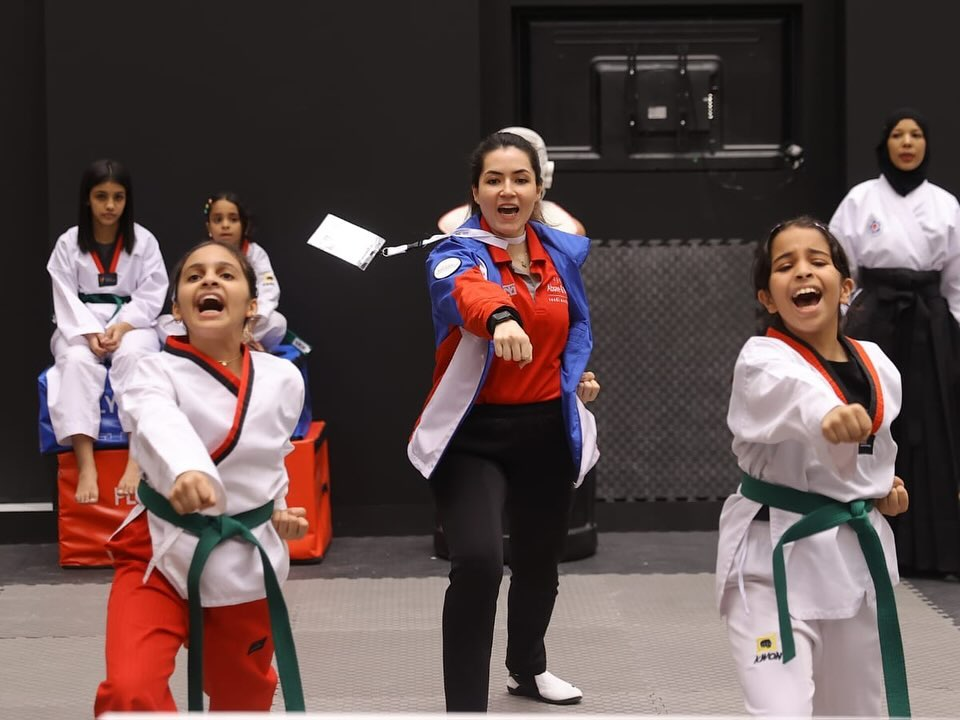
Bukhari’s impact has also extended into club-level athlete development. She has been publicly connected with AlUla Club as one of the early coaches involved in its women’s taekwondo programme. Her role placed her within a growing regional sports environment. It allowed her to transfer experience from international competition into the development of local athletes.
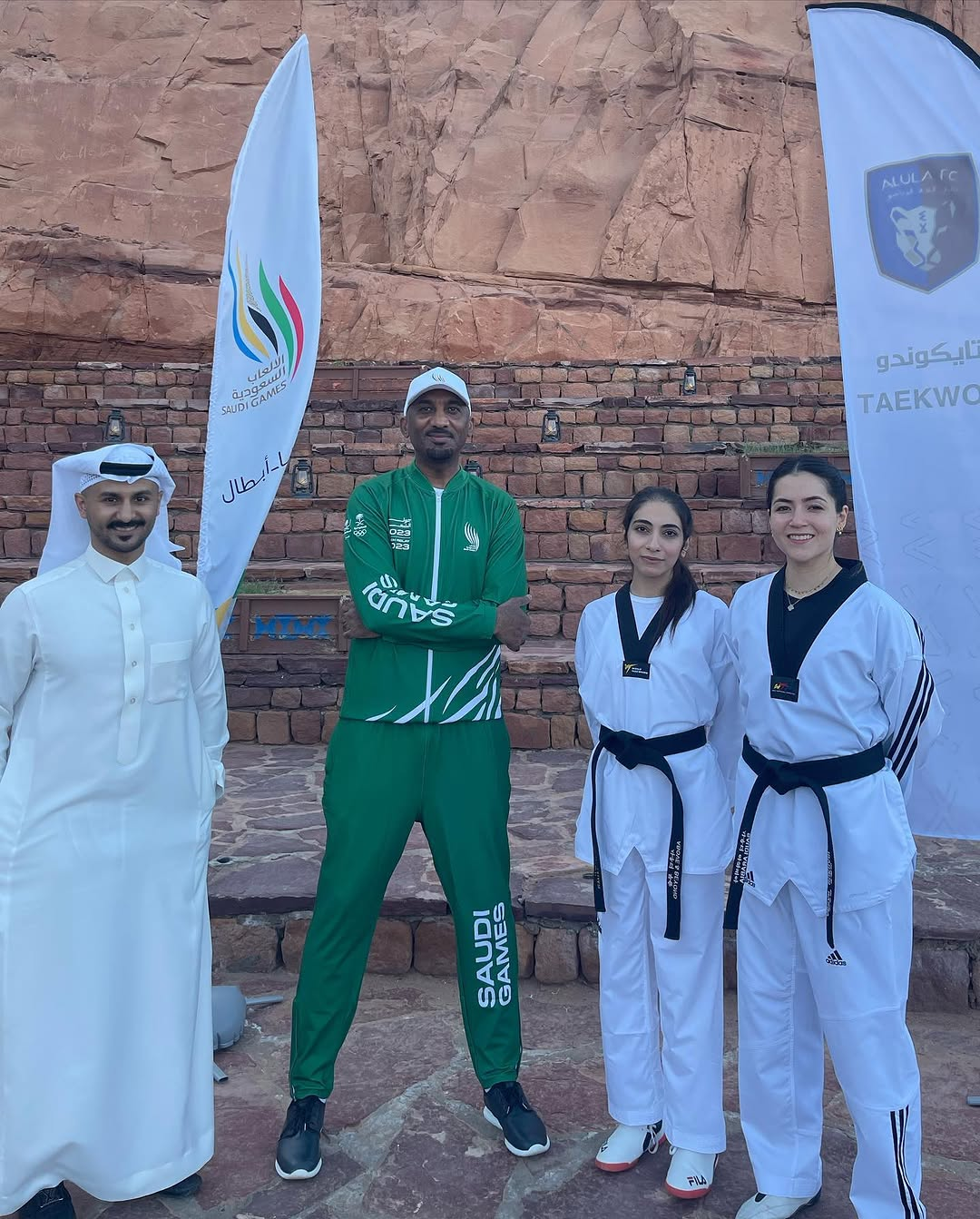

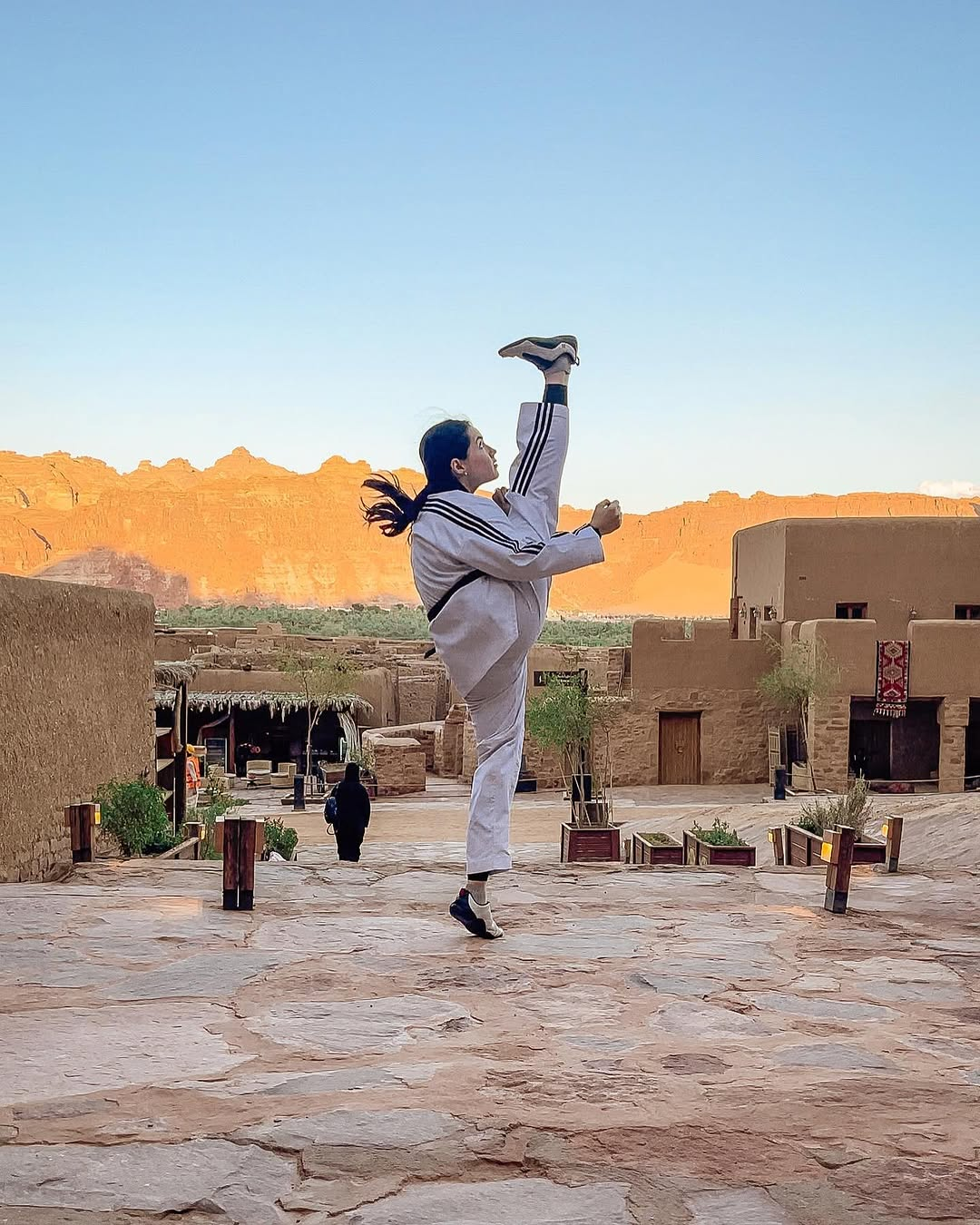
This transfer of knowledge is one of the most valuable contributions an experienced athlete can make. Bukhari understands the technical demands of taekwondo. She also understands the emotional and practical pressures athletes face. She has trained through limited access. She has competed under national expectations. She has managed success and disappointment. She has balanced preparation with other professional responsibilities.
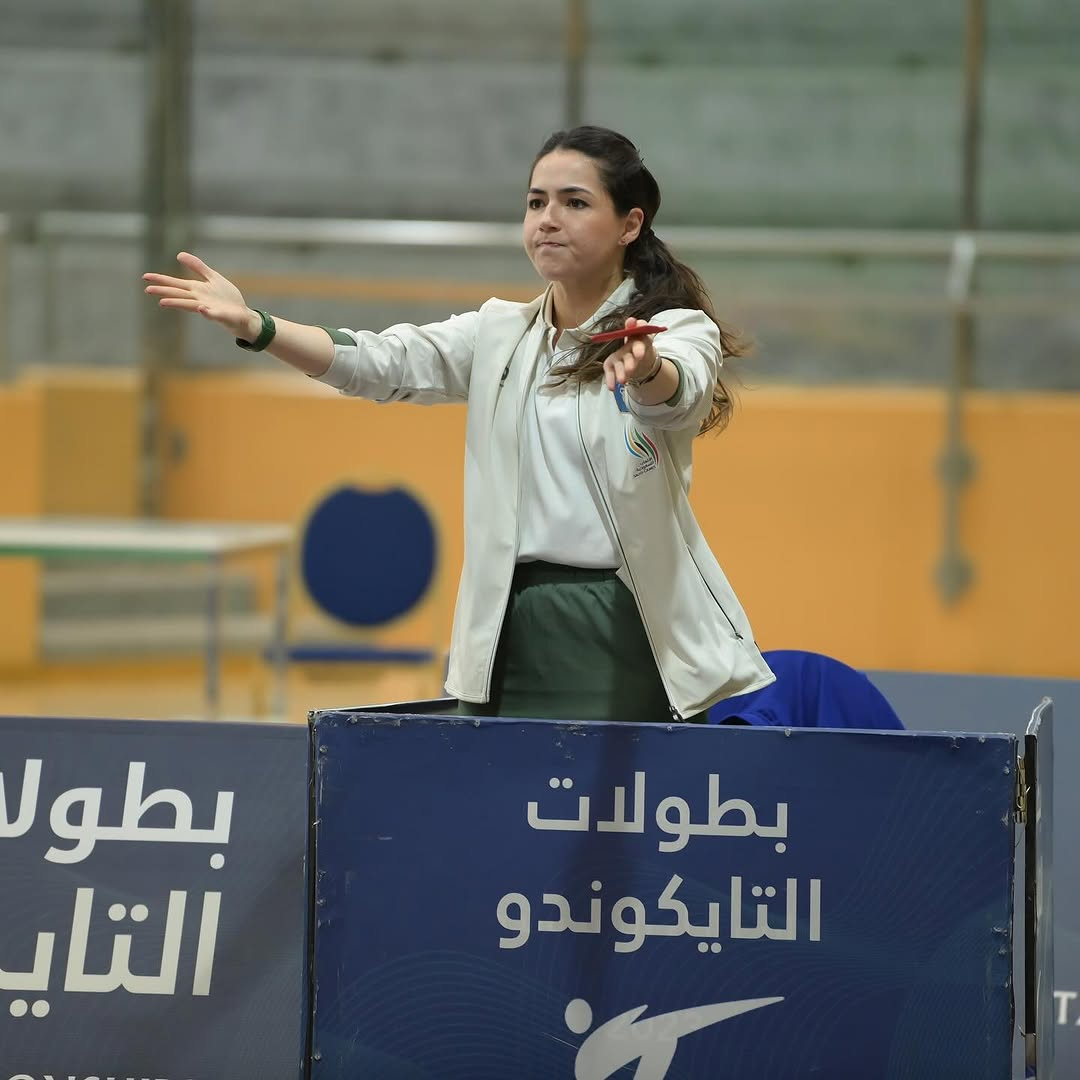
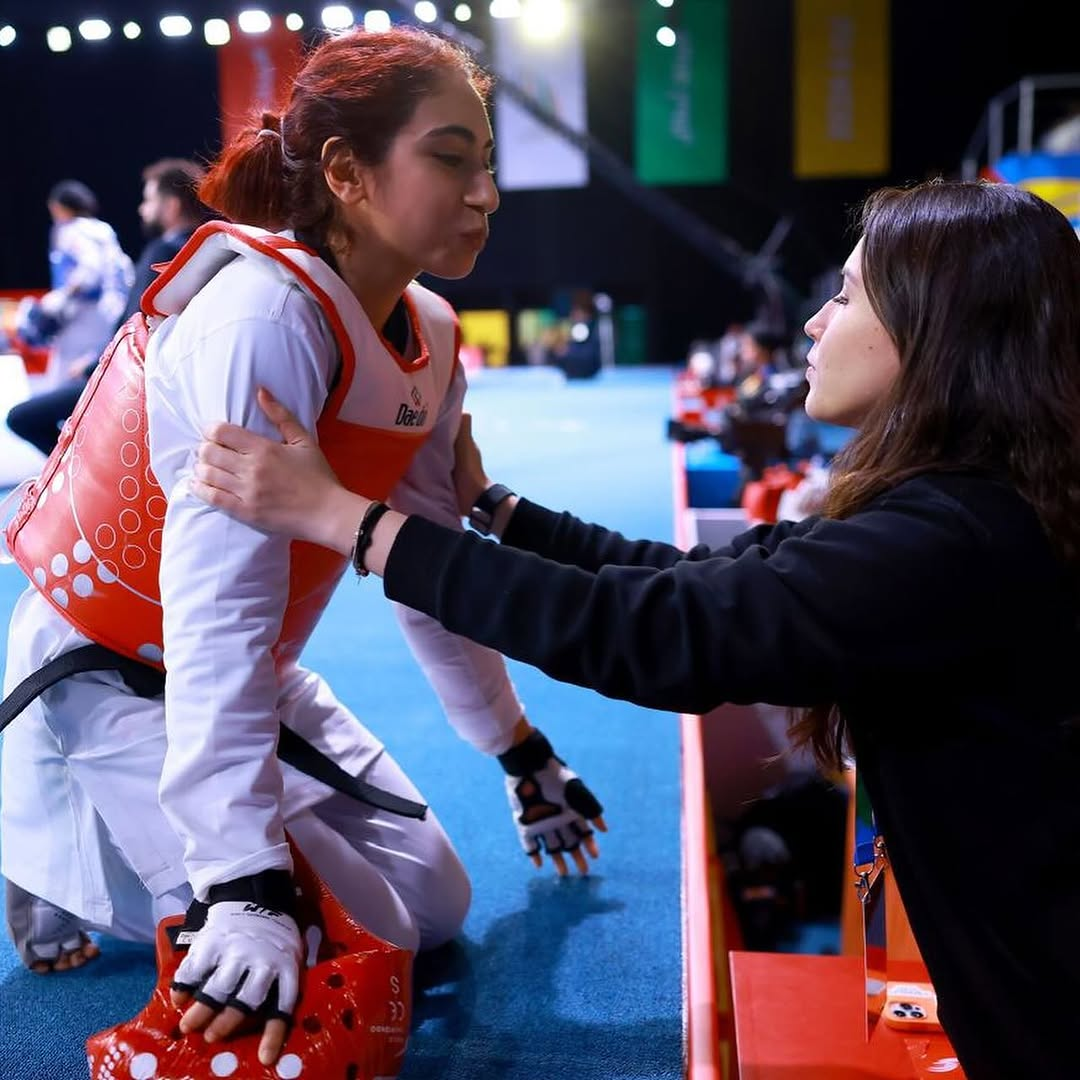
These experiences can shape the way she coaches. A coach with international experience can prepare athletes for more than technique. She can help them understand competition routines, pressure management, physical preparation, discipline, recovery, and the mindset required to continue after setbacks. Her work with developing athletes also demonstrates how elite experience can strengthen the wider sports system. One athlete may win a medal. A strong coach can help many athletes progress. That multiplier effect is central to the growth of Saudi sport.
A Vision 2030 Story in Action
Abrar Bukhari’s work aligns with several priorities shaping Saudi Arabia’s future. Her academy expands access to physical activity for women and children. It supports healthier lifestyles and gives more people an opportunity to experience structured sport. Her coaching contributes to local talent development. Young athletes gain access to knowledge built through years of international competition.
Her role as a founder reflects the growth of the private sports economy. Athlete-led businesses can create specialised services, new jobs, coaching opportunities, and stronger links between community participation and elite sport. Her journey also shows how women’s participation can extend across the full sporting ecosystem. This is one of the most important changes taking place within Saudi sport.
The national transformation is not only visible in major events and professional leagues. It is also happening inside local academies, training halls, clubs, and community programmes. Bukhari operates across all of these levels.
Going Above and Beyond the Podium
Abrar Bukhari’s medals record important moments in Saudi sporting history. But her wider contribution is still developing. She has moved from being one of the women entering a new competitive pathway to becoming someone who helps build that pathway for others. This is what makes her story significant. She is not only representing progress. She is creating the structures that allow progress to continue.
For young Saudis looking at the future of sport, her journey offers a clear message: personal expertise can become national value when it is used to develop people, build institutions, and open opportunities for others.
Follow Riyada Hub for the wins, stories, and insights shaping the future of Saudi sports.


