



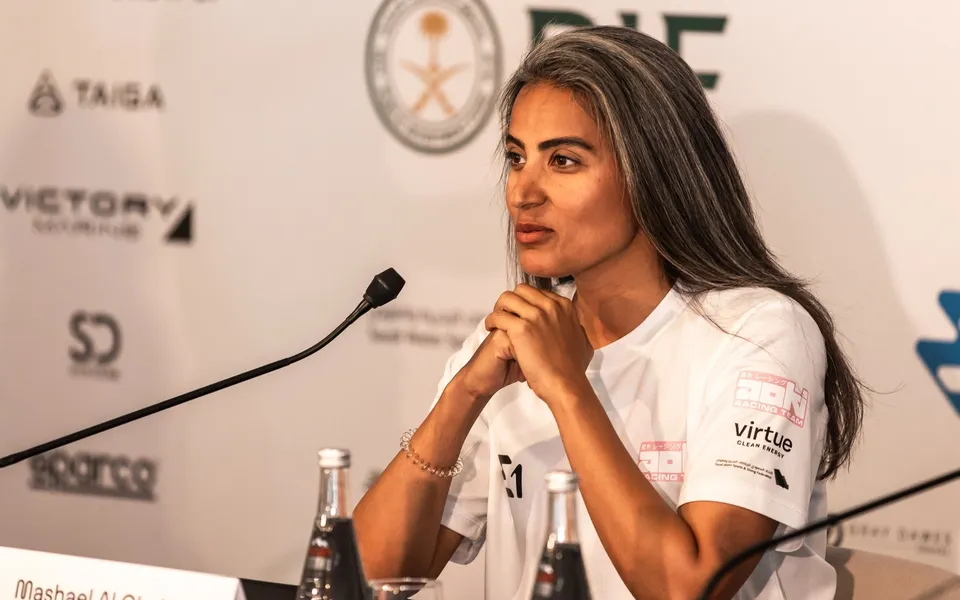
Mashael Al-Obaidan’s journey began with a quad bike, the Saudi desert and a family that encouraged adventure. It later carried her to European rally stages, two Dakar appearances and the world’s first all-electric powerboat championship. Along the way, she became the first woman in Saudi Arabia to obtain a rally licence and one of the most visible Saudi athletes in international motorsport.
Her story is not only about entering spaces once considered inaccessible. It is about earning credibility through results, adapting to new disciplines and helping widen the path for the athletes who will follow.
Growing Up with the Desert as Her First Training Ground
Mashael Al-Obaidan inherited her interest in nature and motorsport from her father. When she was still young, he gave her a quad bike to enjoy on the dunes. What began as a family activity gradually became a deeper connection with speed, machines and difficult terrain.
“I think I’m a product of my parents. They got me my first quad, and they got me into so many activities that made me go after that rush of adrenaline.”
Dune driving is familiar to many families across the Gulf. During the cooler months, weekends in the desert can include quad bikes, buggies and off-road vehicles. For Mashael, those experiences became an informal training ground. She learned to feel changes in the sand. She became comfortable around engines and unpredictable terrain. Most importantly, she developed an appetite for challenge.
Her interests extended beyond motorsport. She became a PADI-certified advanced scuba diver and a freediver. Photography also became part of the way she experienced the world. She travelled to document people, landscapes and moments that mattered to her. These interests may appear separate, but they share a common thread. Mashael has always been drawn to movement, nature and exploration.
Building Skills Across Saudi Arabia and the United States
Mashael Al-Obaidan continued riding while studying in Los Angeles. She rode a Ducati on the road and used a Honda for off-road experiences. Her adventures took her beyond the Saudi dunes to desert environments in Utah and California. She also obtained a motorcycle licence in the United States.
Saudi Arabia did not yet have the same motorsport training infrastructure available in countries with long-established racing cultures. Mashael built her skills differently. She learned through motorcycles, dirt bikes, quads, buggies and repeated exposure to demanding terrain. Her experience grew across countries and environments before she entered formal competition.
During this period, she also completed a Master of Science in Systems Engineering at Loyola Marymount University. Her education added a technical and analytical layer to her approach. It trained her to understand complex systems, assess risk and solve problems under changing conditions. Those skills would become valuable when racing demanded much more than raw speed.
From Recreational Riding to Professional Rallying
A major turning point came when Saudi Arabia began expanding its sports sector and opening more pathways for women. Mashael Al-Obaidan has connected the acceleration of Saudi sport from around 2016 with the opportunities that later became available to her. The Kingdom’s growing focus on participation, international events and athlete development created a new environment for ambitious competitors.
When she learned that the Dakar Rally would be held in Saudi Arabia, she was living in the United States. She returned and asked for the licence required to compete internationally. That decision changed her life.
“That was a huge milestone for me, because as soon as I got it, I immediately went and raced Dakar a couple of times, and many different rallies.”
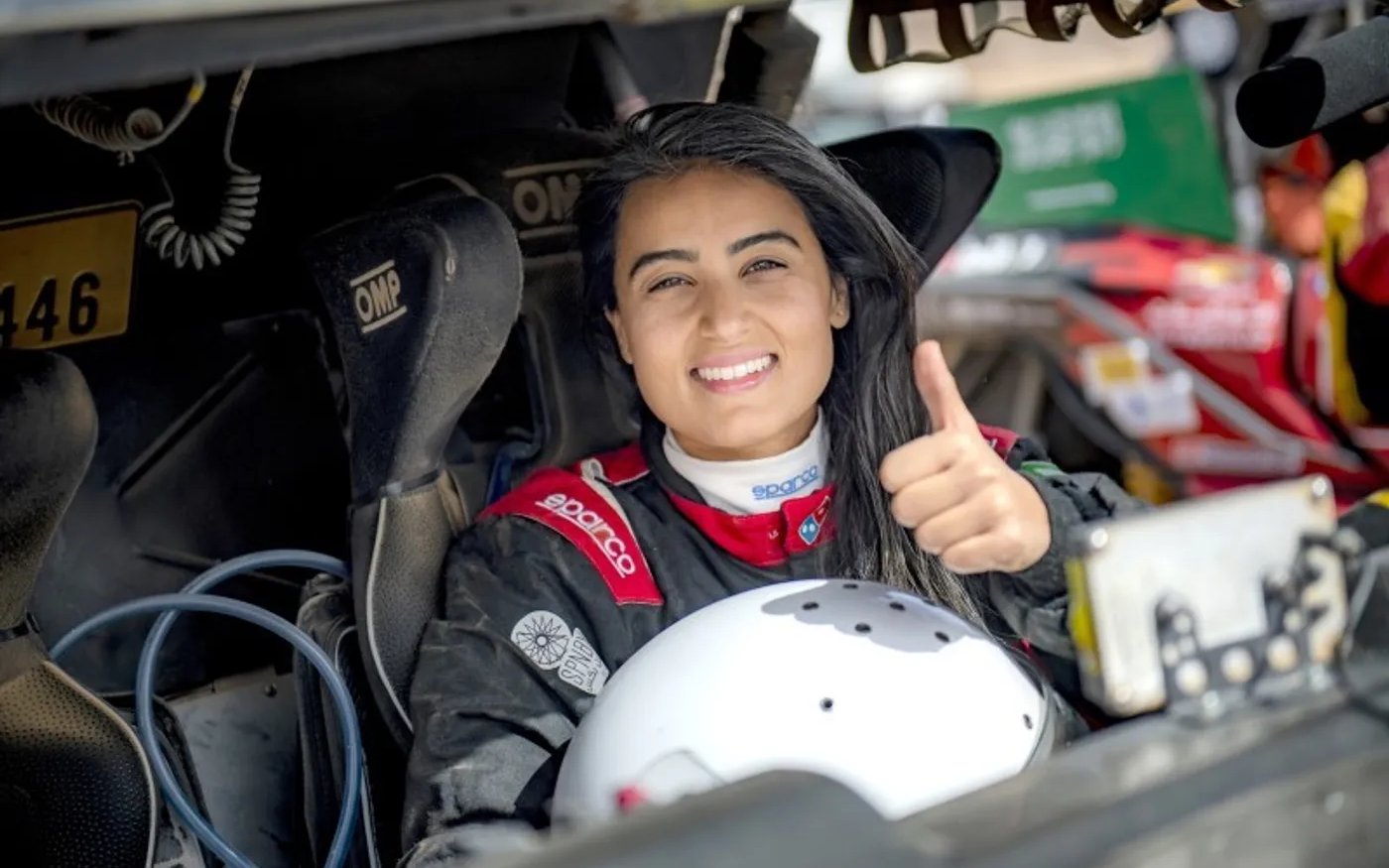
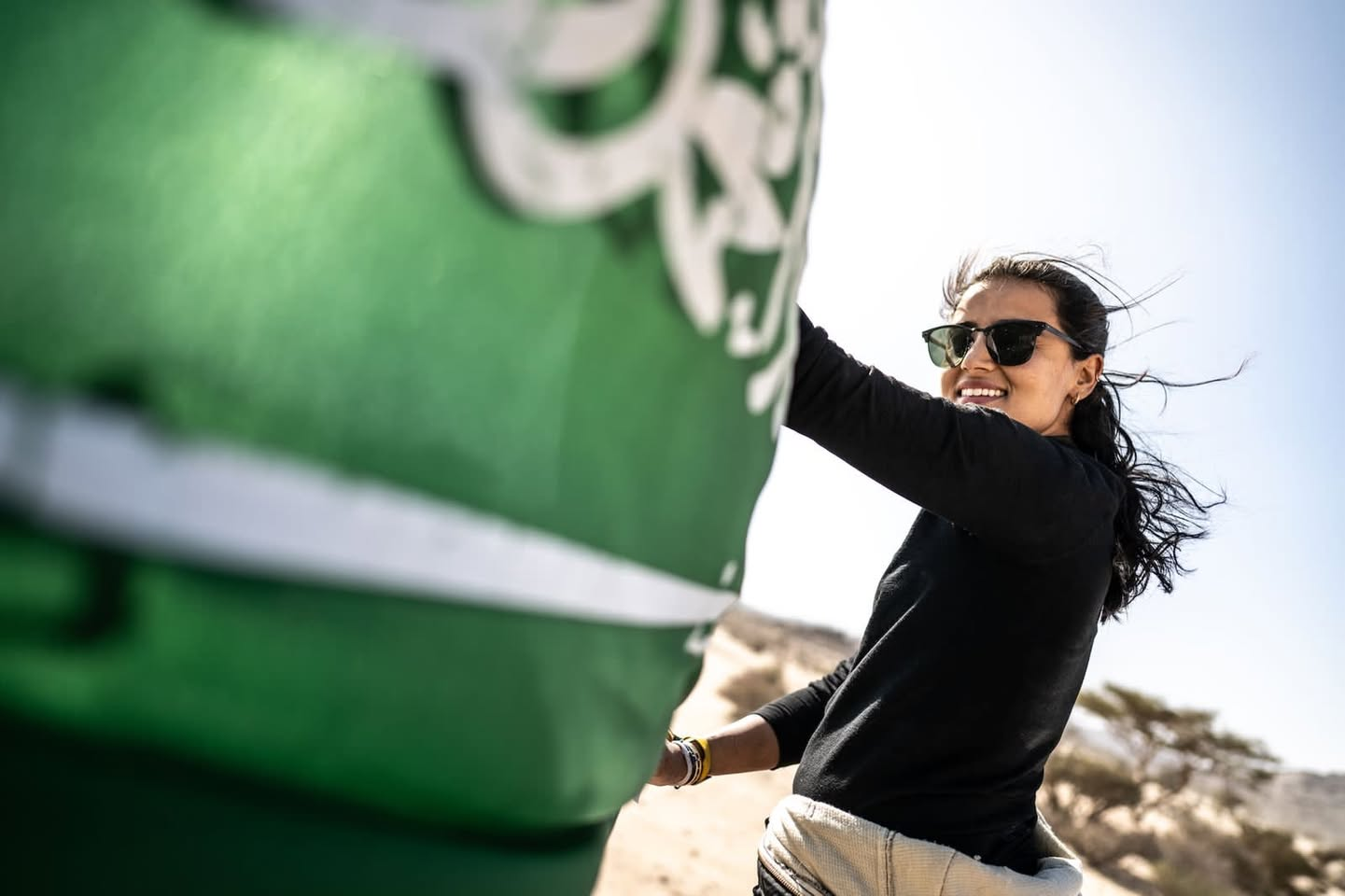
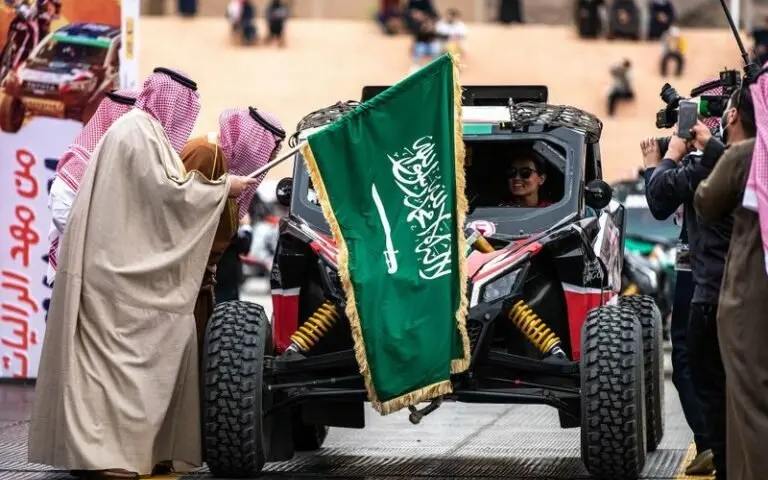
Mashael became the first woman in Saudi Arabia to obtain a rally licence. She moved from recreational desert riding into sanctioned competition and began building a professional motorsport career. The milestone carried personal significance. It also represented a wider shift in Saudi sport. She was no longer only pursuing her own ambition. She was proving that a new pathway could exist.
Racing the Can-Am Maverick
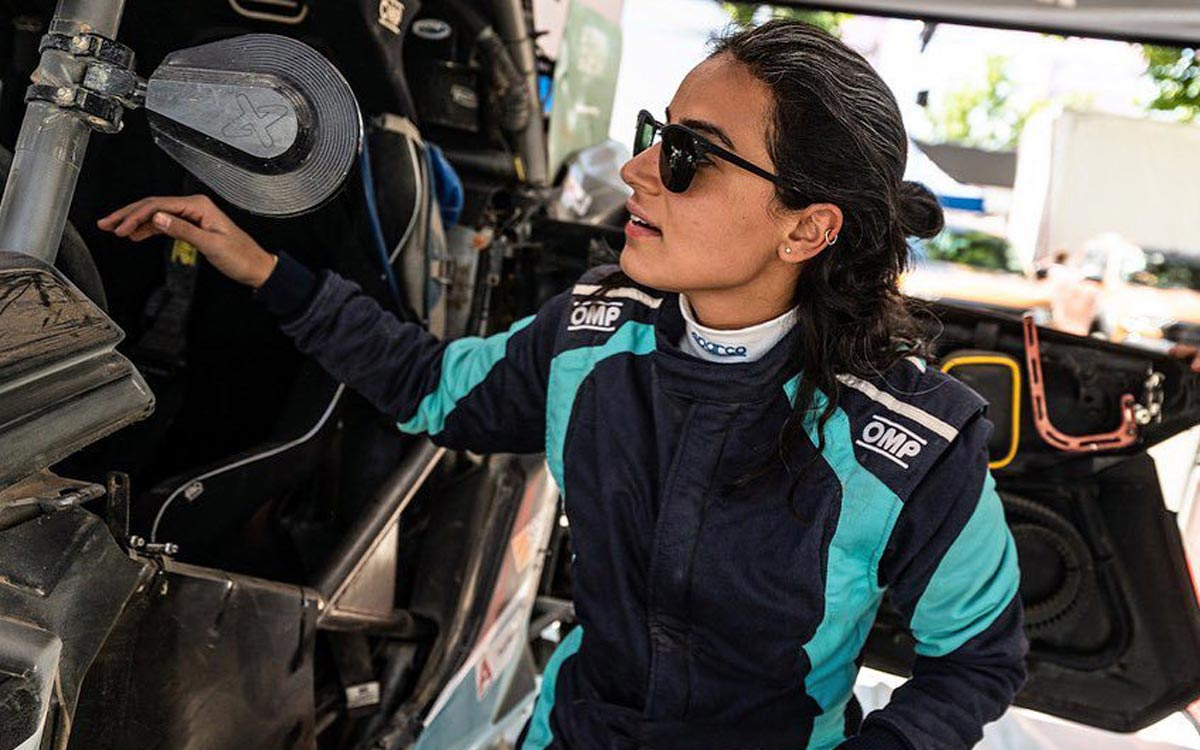
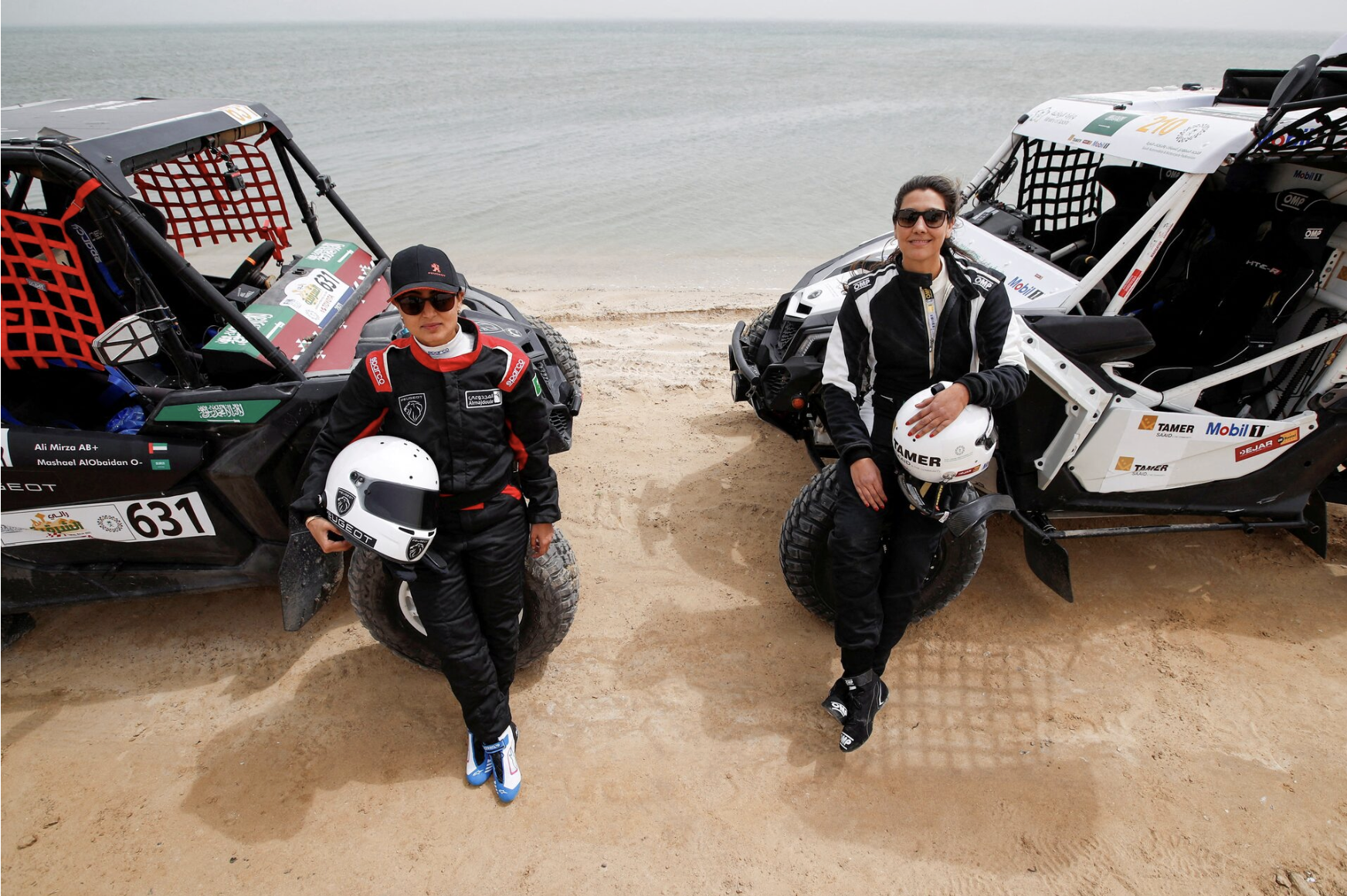
Mashael Al-Obaidan progressed from dirt bikes and quads into rally competition behind the wheel of a Can-Am Maverick. The move required a new level of discipline. Professional rallying is not simply fast driving across open terrain. It demands precise navigation, vehicle management, endurance and close coordination with a co-driver and technical team. A driver must know when to attack and when to protect the vehicle. A single mistake can cost time, damage equipment or end an entire event.
Her background in off-road riding gave her confidence in the desert. Yet rallying required her to turn instinct into repeatable performance. She trained for long stages, difficult terrain and the mental pressure of competing against the clock.
Breaking Through in International Rally Competition
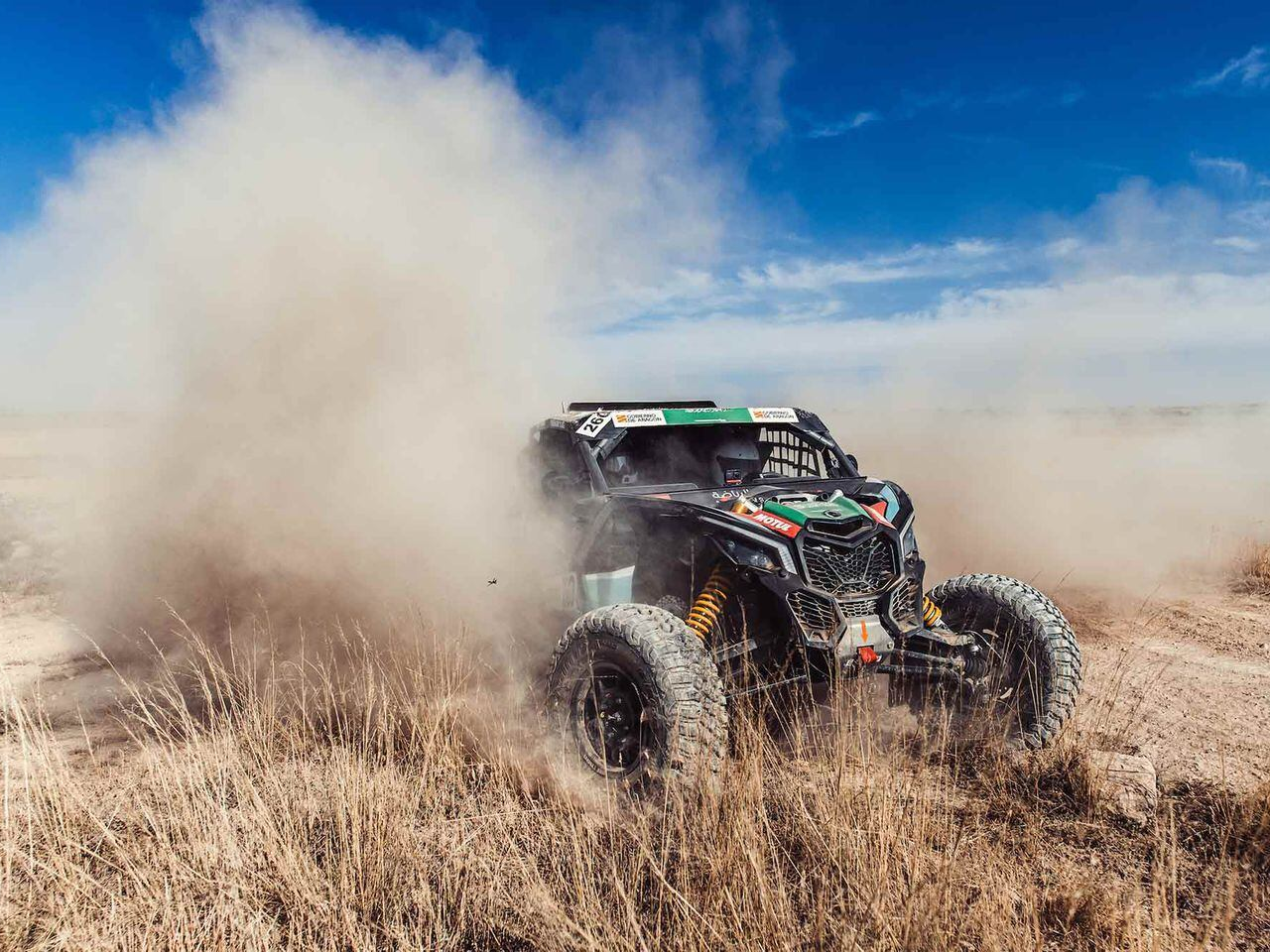
Mashael Al-Obaidan’s career soon moved beyond Saudi Arabia. She competed in Baja España Aragón, becoming the first Saudi woman reported to enter a European Baja. She finished seventh in the T3 category, an important result during the early stage of her international career. The event tested her ability to perform outside familiar conditions. European Baja racing required her to adapt to different terrain, competition standards and operational demands.
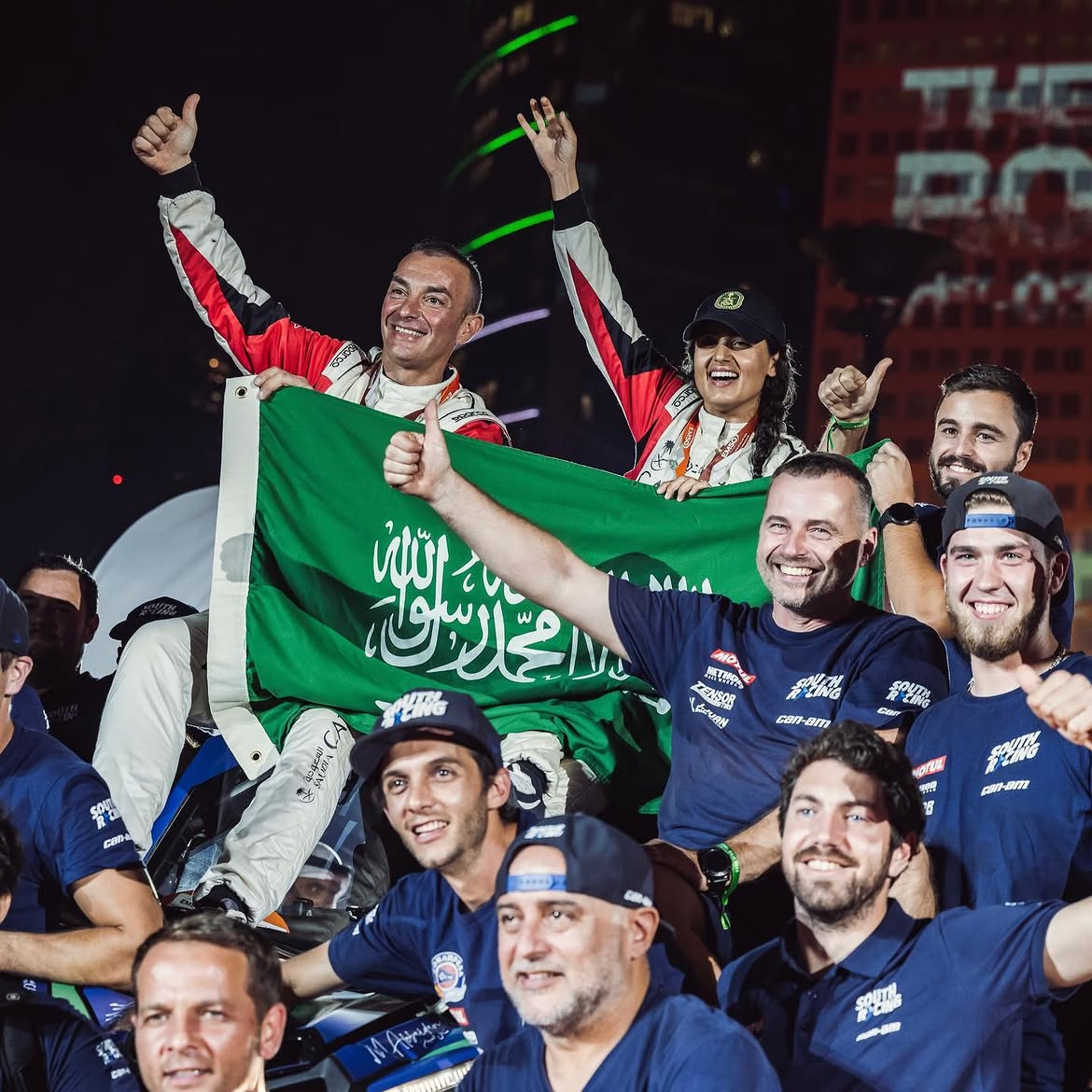
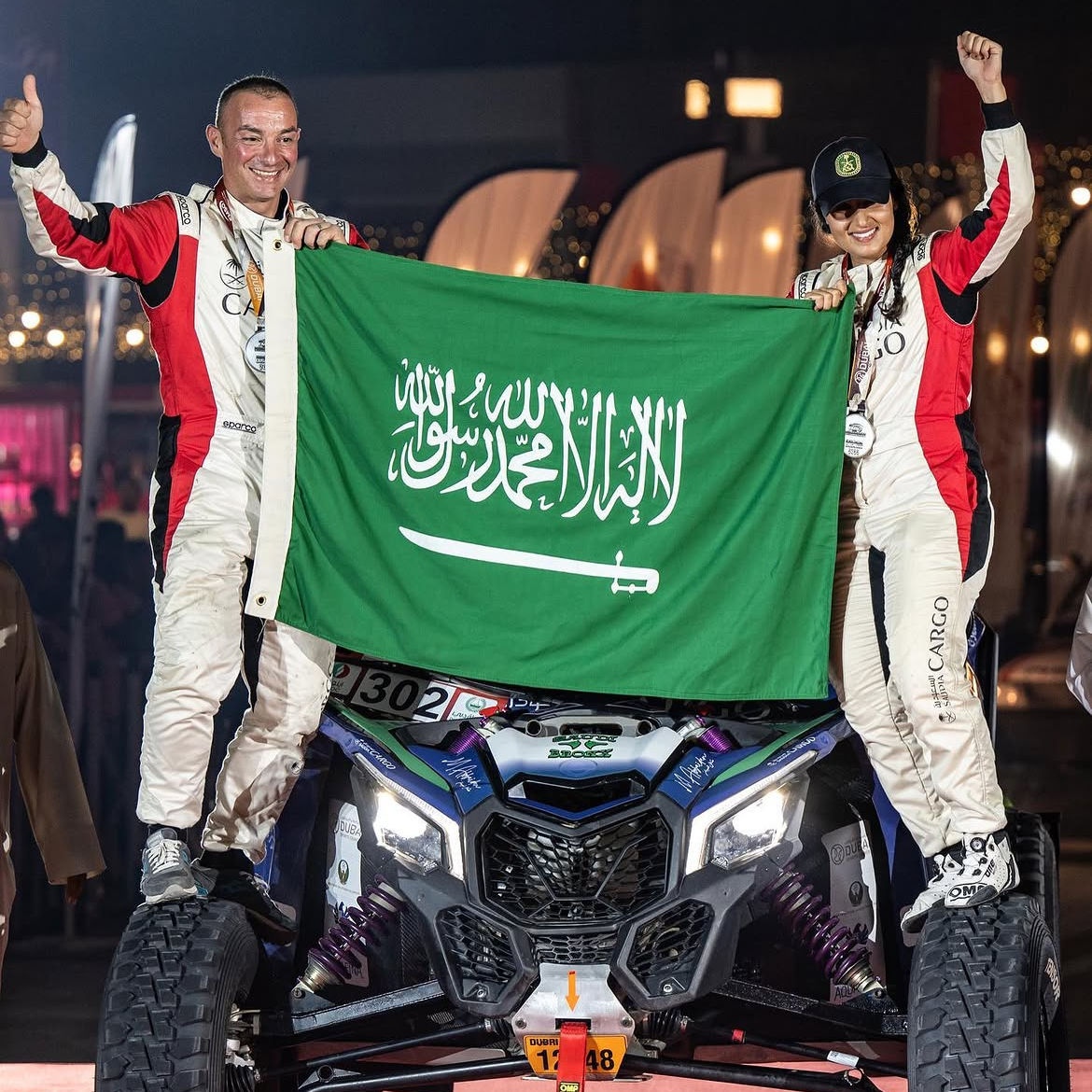
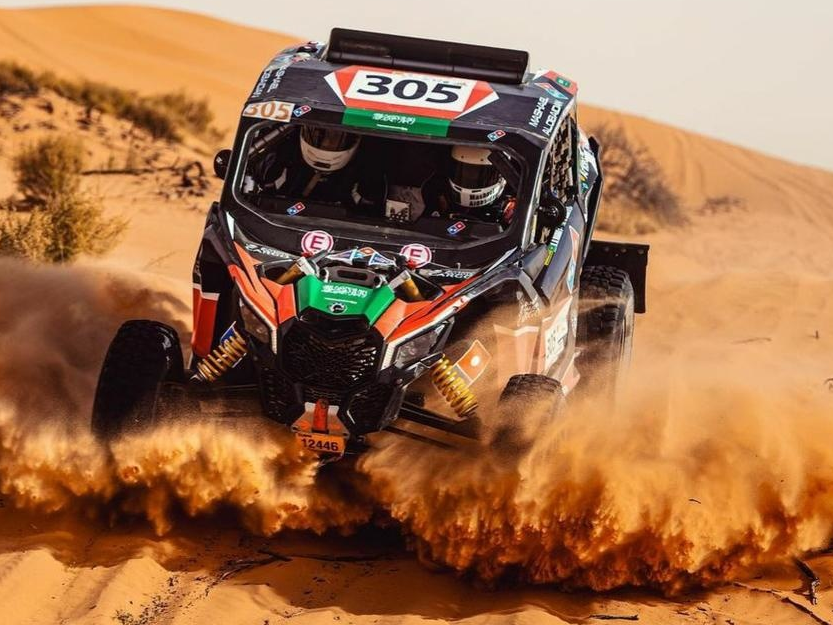
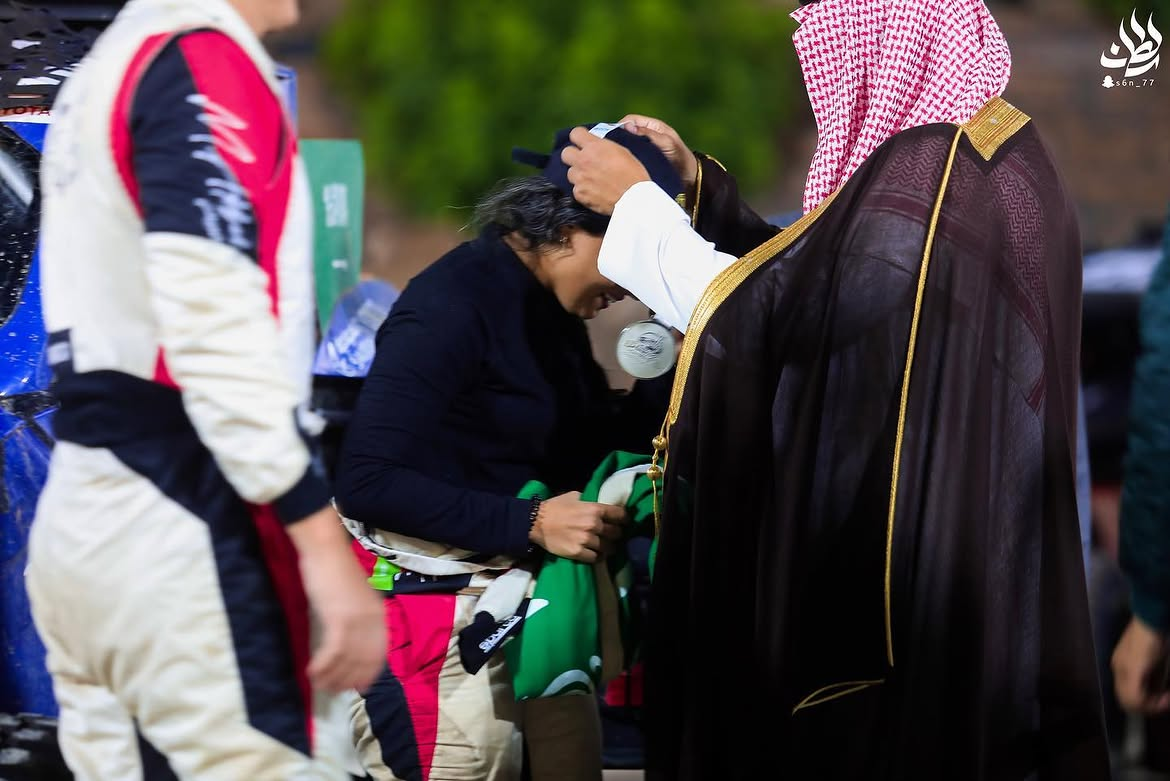
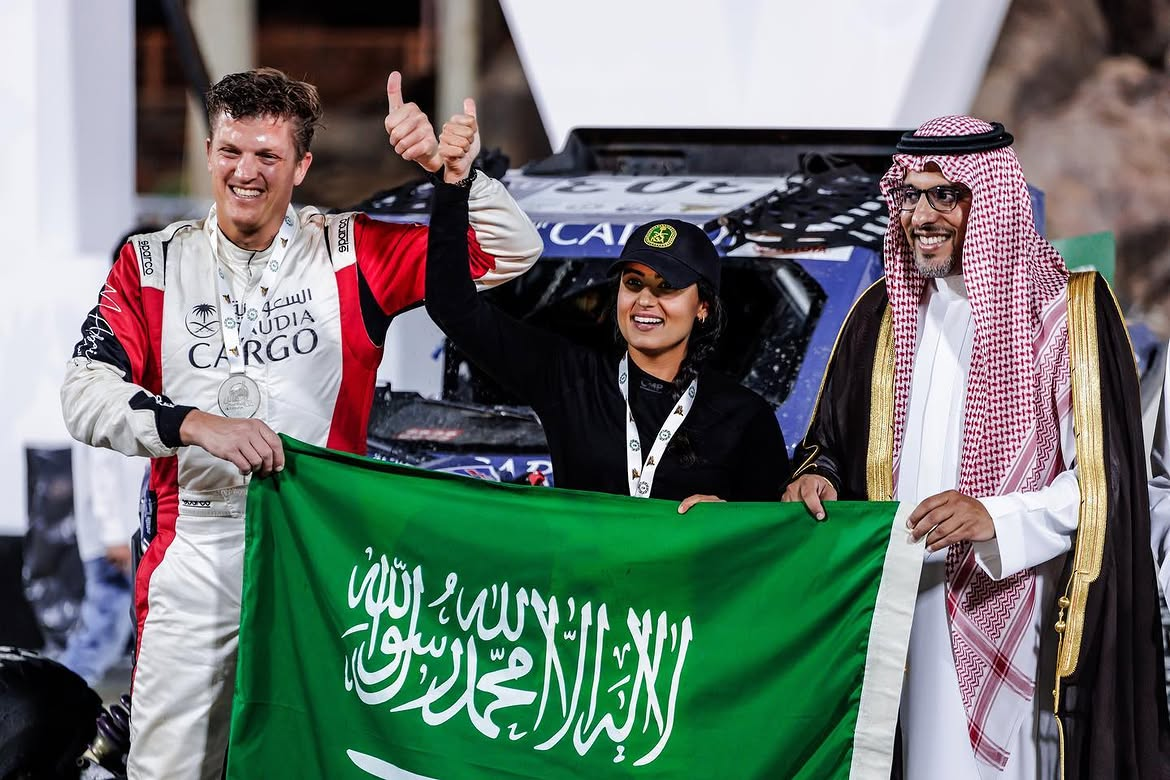
Her next major breakthrough came at the 2021 Hail International Rally. Mashael finished second in the T3 category and twelfth overall. The result gave weight to her growing reputation. She was not appearing in motorsport only because of the historical significance of her participation. She was producing competitive results. Hail also became an important preparation ground for Dakar. It tested her navigation, endurance, teamwork and ability to manage a vehicle across long desert stages.
Dakar: The Dream That Became a Test of Endurance
In 2022, Mashael Al-Obaidan entered the Dakar Rally alongside fellow Saudi driver Dania Akeel. Their participation marked the first time Saudi women competed in the event. For Mashael, Dakar represented the fulfilment of the ambition that had brought her back from the United States. Yet reaching the start line was only the beginning. Dakar is one of motorsport’s most demanding competitions. Drivers face long stages, shifting dunes, rocky tracks, mechanical risk and constant navigation pressure. Fatigue builds across multiple days. Small errors can have serious consequences.
Mashael completed the 2022 event and finished in the top 20 of the T3 category, with reporting placing her seventeenth in her classification. Completion itself demonstrated resilience. Dakar requires drivers to balance speed with judgment. They must stay competitive without taking risks that could end the race. She returned to Dakar in 2023. That second participation showed that her debut was not a one-time symbolic appearance. She remained committed to developing as a rally-raid athlete and competing against an international field.
Opening Doors Through Performance
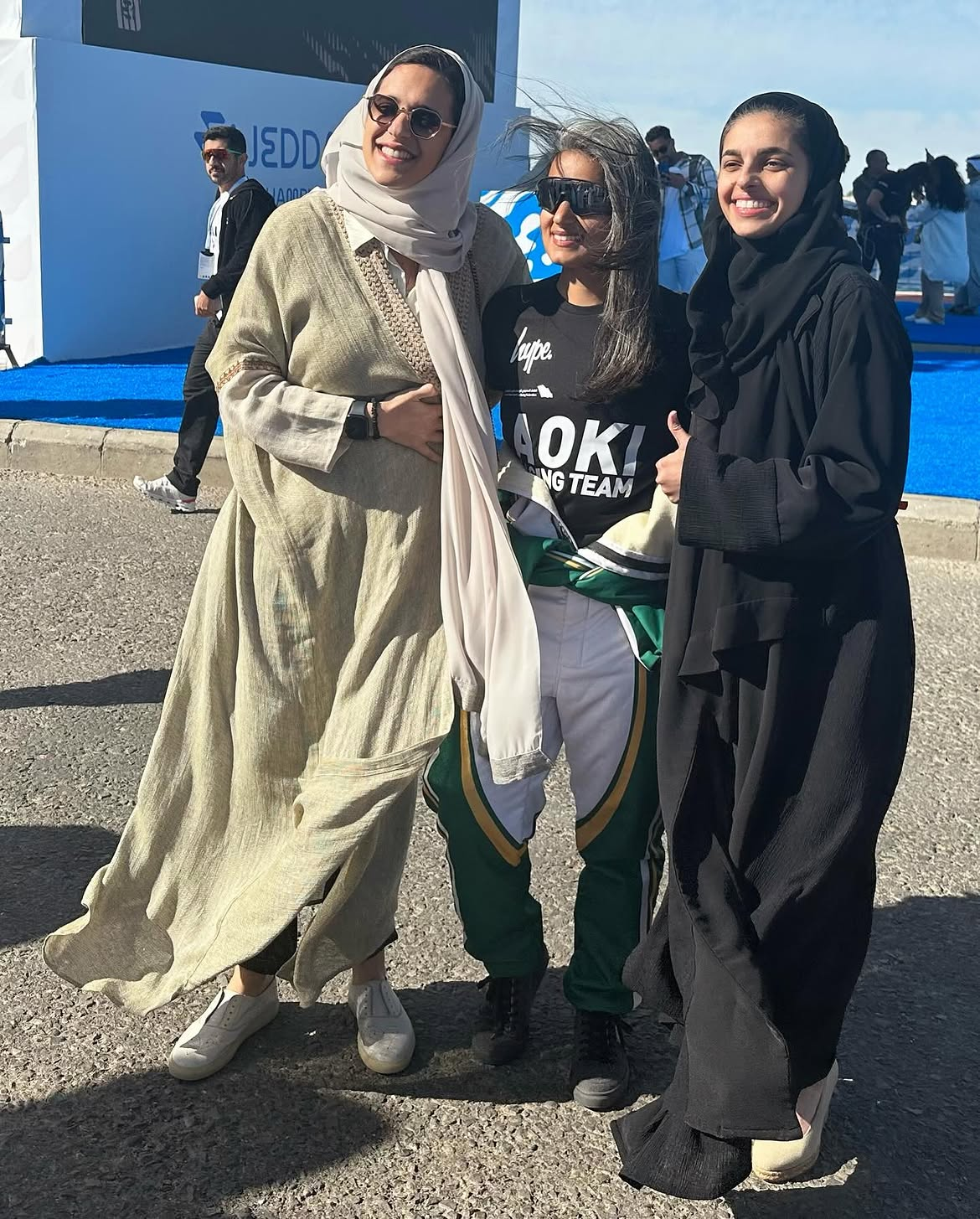
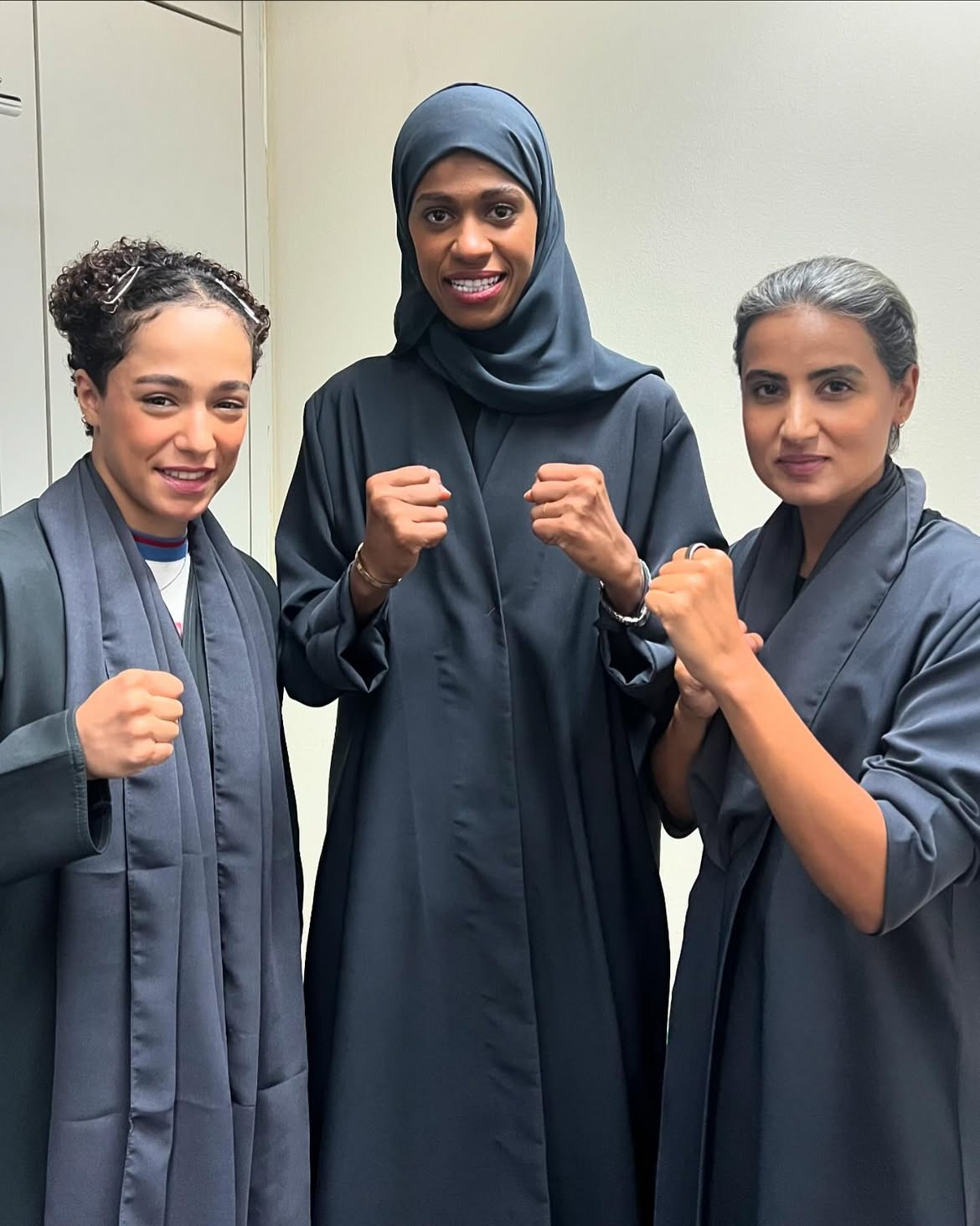
As her profile grew, Mashael began to understand the wider impact of her journey. She had been inspired by women who were already stepping into new spaces and achieving at the highest level. Their example showed her what was possible. She then created her own milestones in rallying and electric racing, proving that Saudi women could compete on major international stages. Today, that cycle continues. The athlete who once drew confidence from other women is now inspiring a new generation herself. Each licence, rally start and completed stage makes the pathway easier for young Saudi women to see, believe in and follow.
“We are paving the way for females to understand the journey we are taking and to join us... I’m receiving so much support from people who say that what I am doing is inspiring a lot of people.”
Mashael's own career had begun without a clear road map. She had not grown up inside a formal racing academy. She built her experience through family support, personal initiative, international exposure and the opportunities created by Saudi Arabia’s changing sports environment. Her story shows that pioneers often have to compete while also helping define the pathway itself.
The Athlete Who Had to Build Her Own Path
Mashael Al-Obaidan has spoken openly about the importance of starting young in motorsport. In established racing nations, future champions can begin training in childhood. They move through karting, junior categories and professional development systems. Her route was different. Formal opportunities were limited when she was growing up, particularly for women. She therefore built herself through informal experience before entering structured competition later.
“In these types of competitive sports, it’s always best to start young, at the age of five to seven years old, to create the next Lewis Hamilton.”
She also had to understand the business behind racing. Professional motorsport requires sponsorship, logistics, travel, equipment and team support. Talent alone does not pay for a full season. Mashael learned to approach companies and explain the commercial value of supporting her career. She has challenged the assumption that Saudi drivers automatically receive unlimited backing. The Saudia Cargo sponsorship of her Dakar campaign became an example of a partnership built around genuine alignment. Both the athlete and the company represented Saudi Arabia on an international stage, with mobility and logistics at the centre of the story. Her journey shows that athletes must perform in competition while also building trust beyond it.
Why E1 Was a Natural Next Step
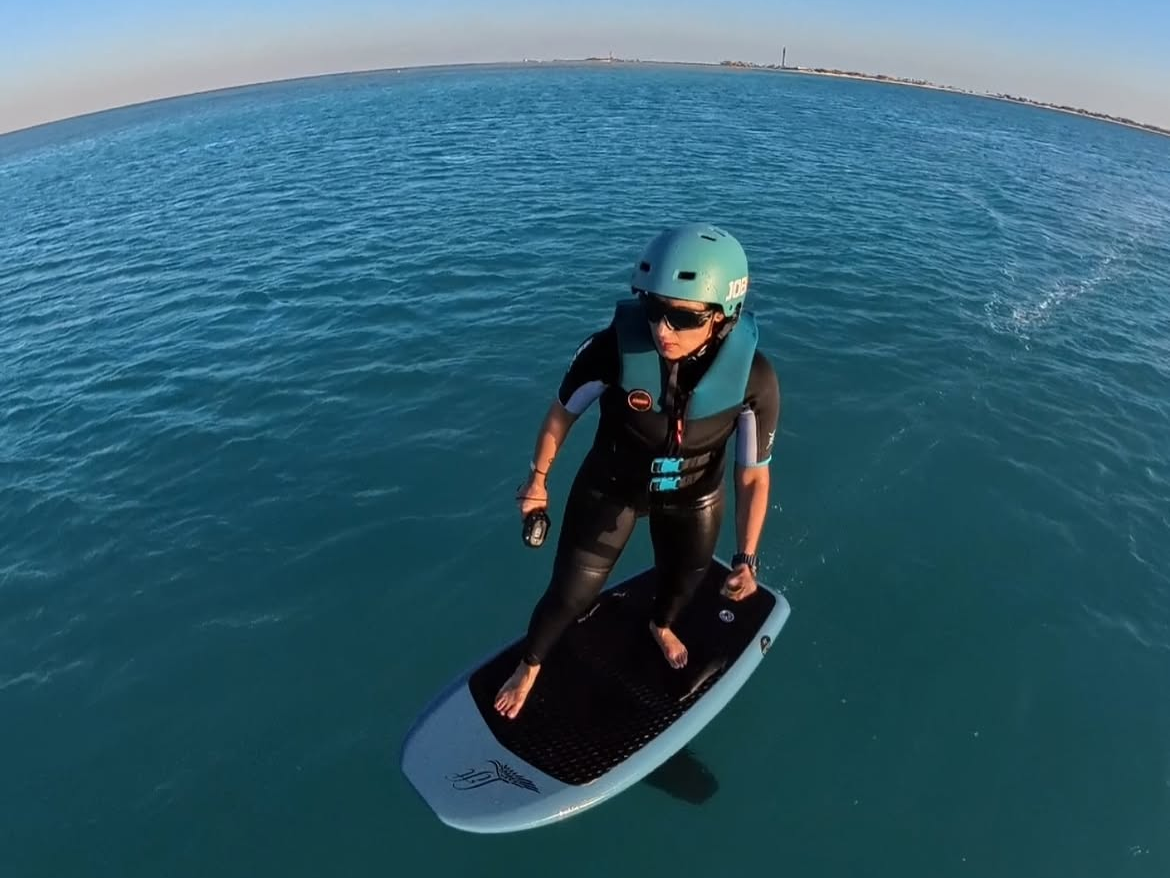
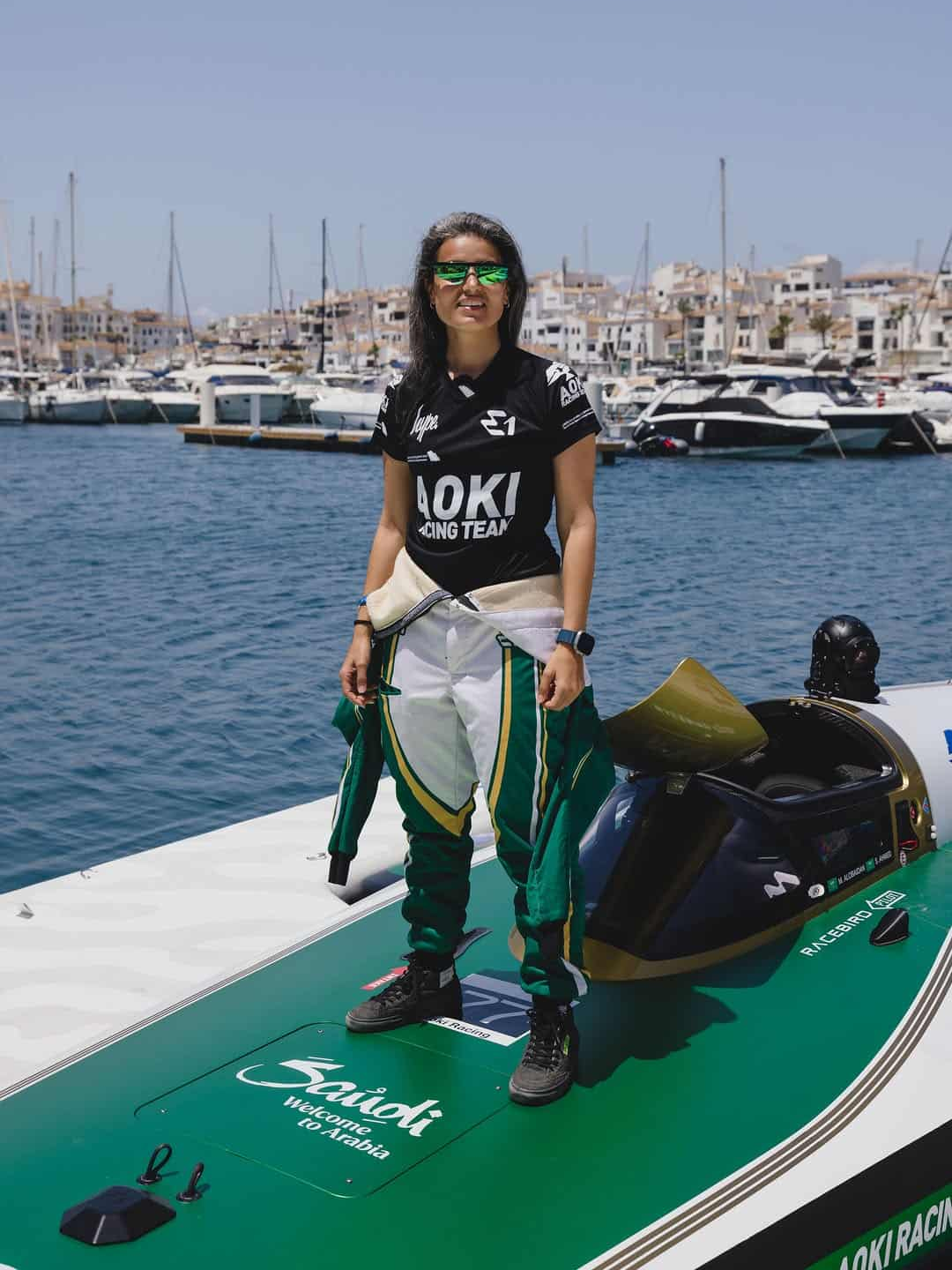
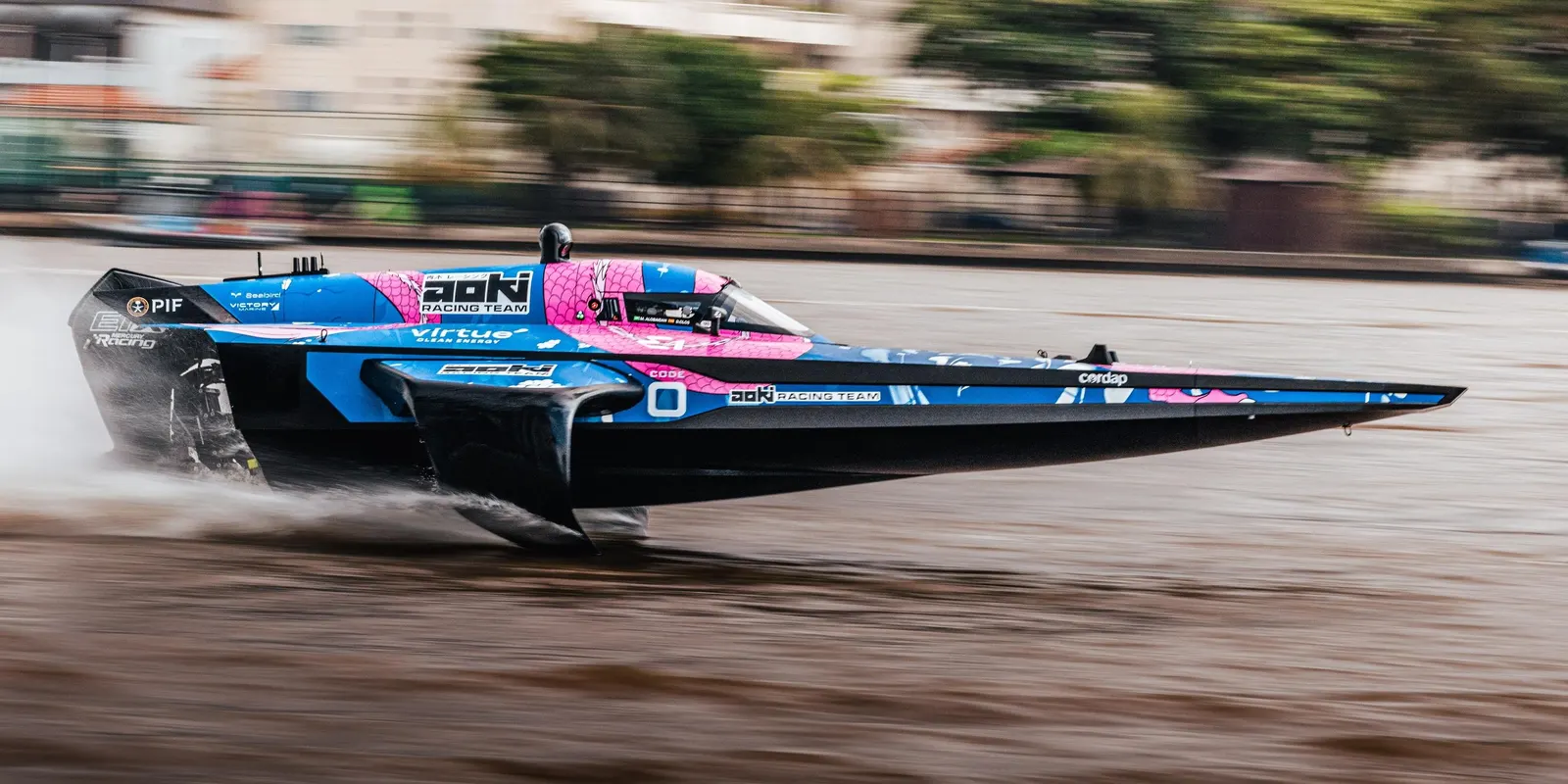
Mashael Al-Obaidan’s transition from desert rallying to electric powerboat racing was unexpected, but it made sense. The UIM E1 World Championship combines speed, technology and sustainability. Competitors race fully electric RaceBird powerboats using hydrofoil technology. For Mashael, the championship also connected with her personal relationship with the sea.
As a freediver and advanced scuba diver, she was already interested in marine environments. E1 offered a way to combine competition with technology and environmental purpose. She was drawn to the challenge and to the idea that the series represented something larger than racing alone. Her rally results helped open the door. E1’s pilot field included experienced international competitors. Mashael’s performance in rally raid demonstrated that she could manage pressure, learn complex machinery and compete in extreme conditions.
“I’m up for fun, challenging things, and especially when they pitched it on how it’s focused on sustainability.”
Learning to Race on Water
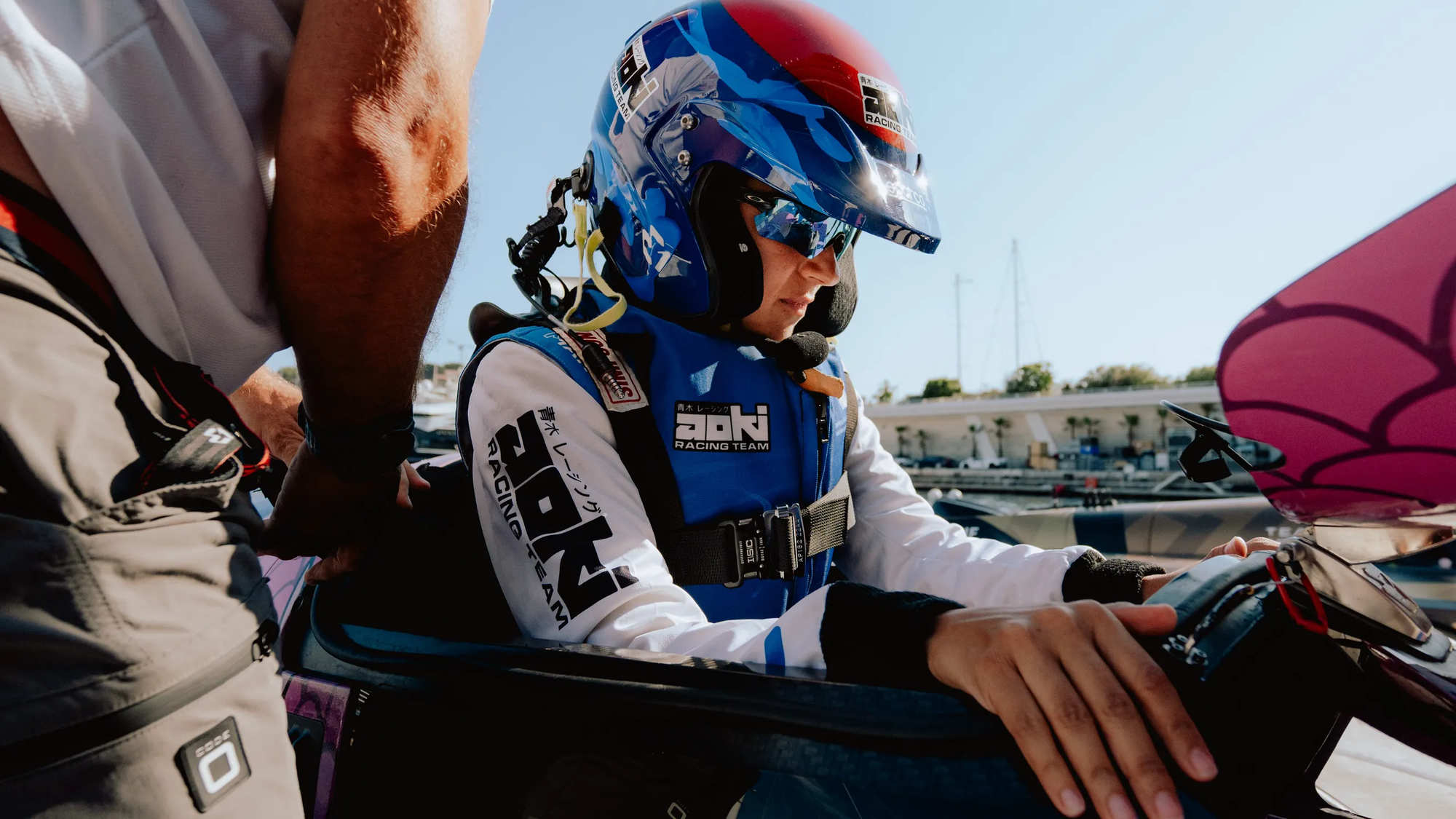
Mashael Al-Obaidan joined Aoki Racing Team as its lead pilot before the inaugural E1 season in 2024. The move required her to become a beginner again. Driving a rally vehicle across sand is very different from controlling an electric hydrofoil powerboat. She had to learn how the RaceBird responded to changing water conditions, how to manage electric power delivery and how to compete in tight marine race formats.
Water does not provide the same predictable surface as a track. Wind, waves and wake can change the boat’s behaviour within seconds. The transition demanded adaptability. Her first E1 season became a period of learning. She competed with Saudi teammate Saud Ahmed as the team developed its understanding of the new championship. The results did not immediately match her ambitions. But the experience created the foundation for what followed.
Winning at Home in Jeddah
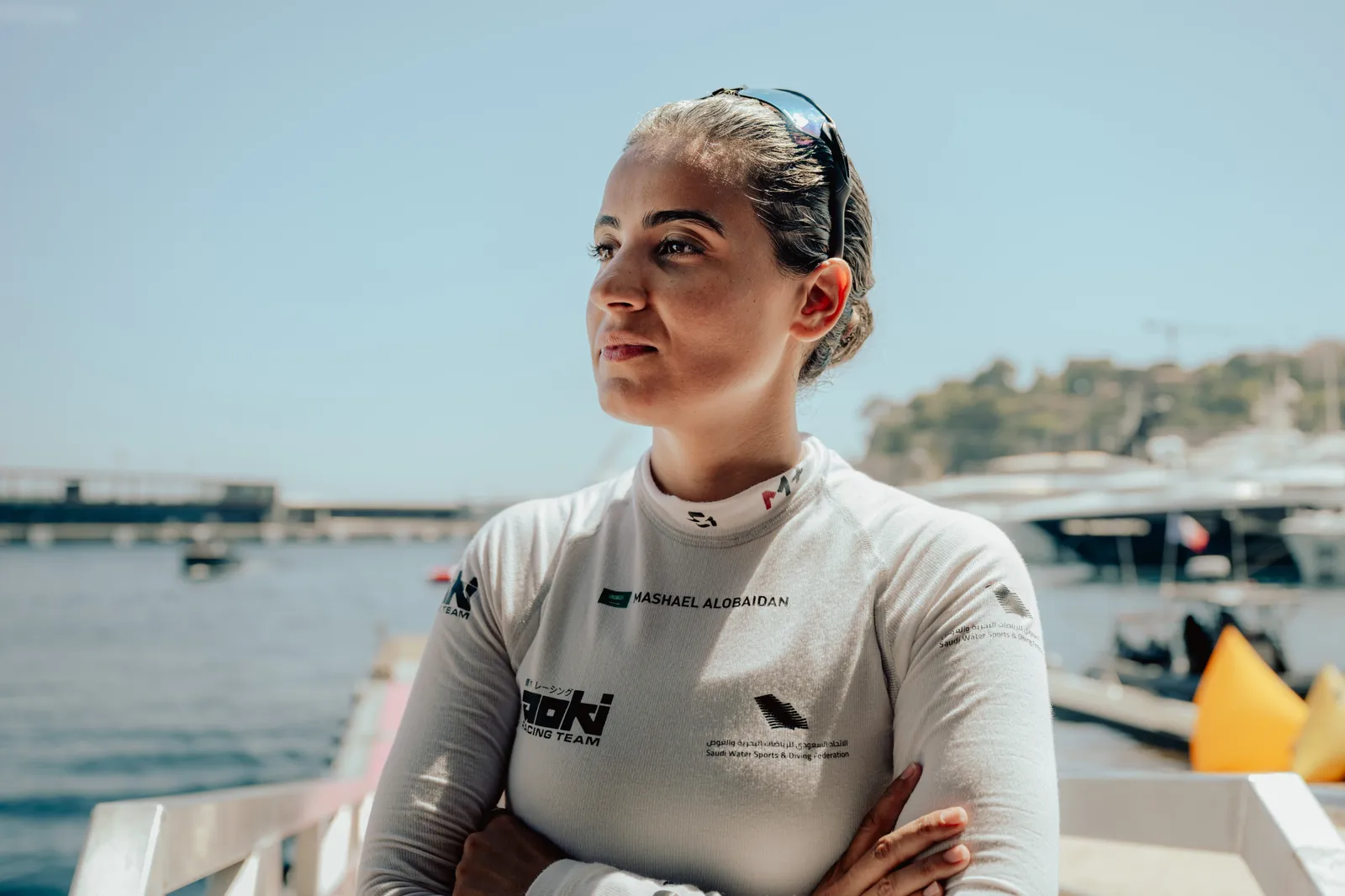
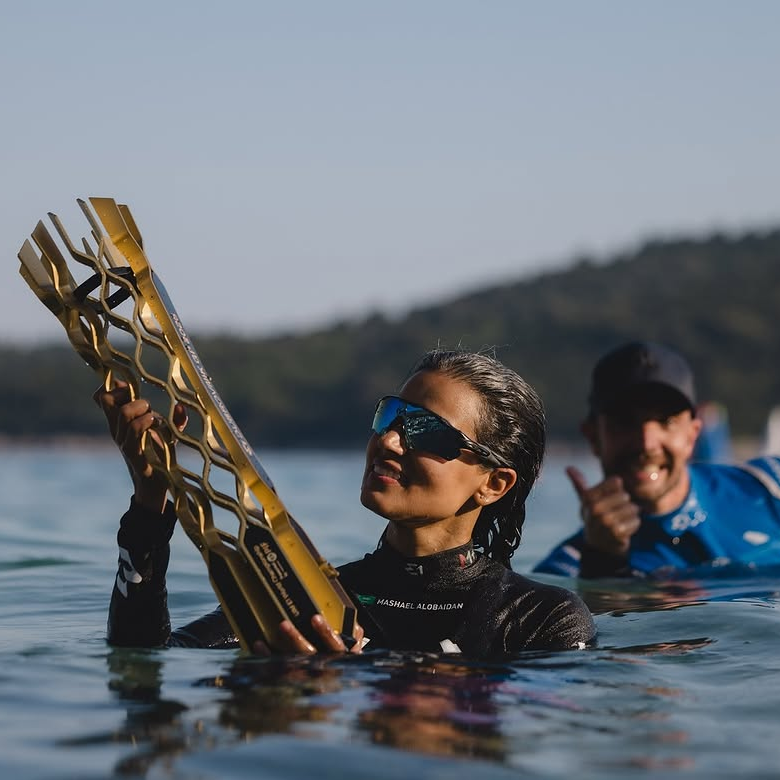
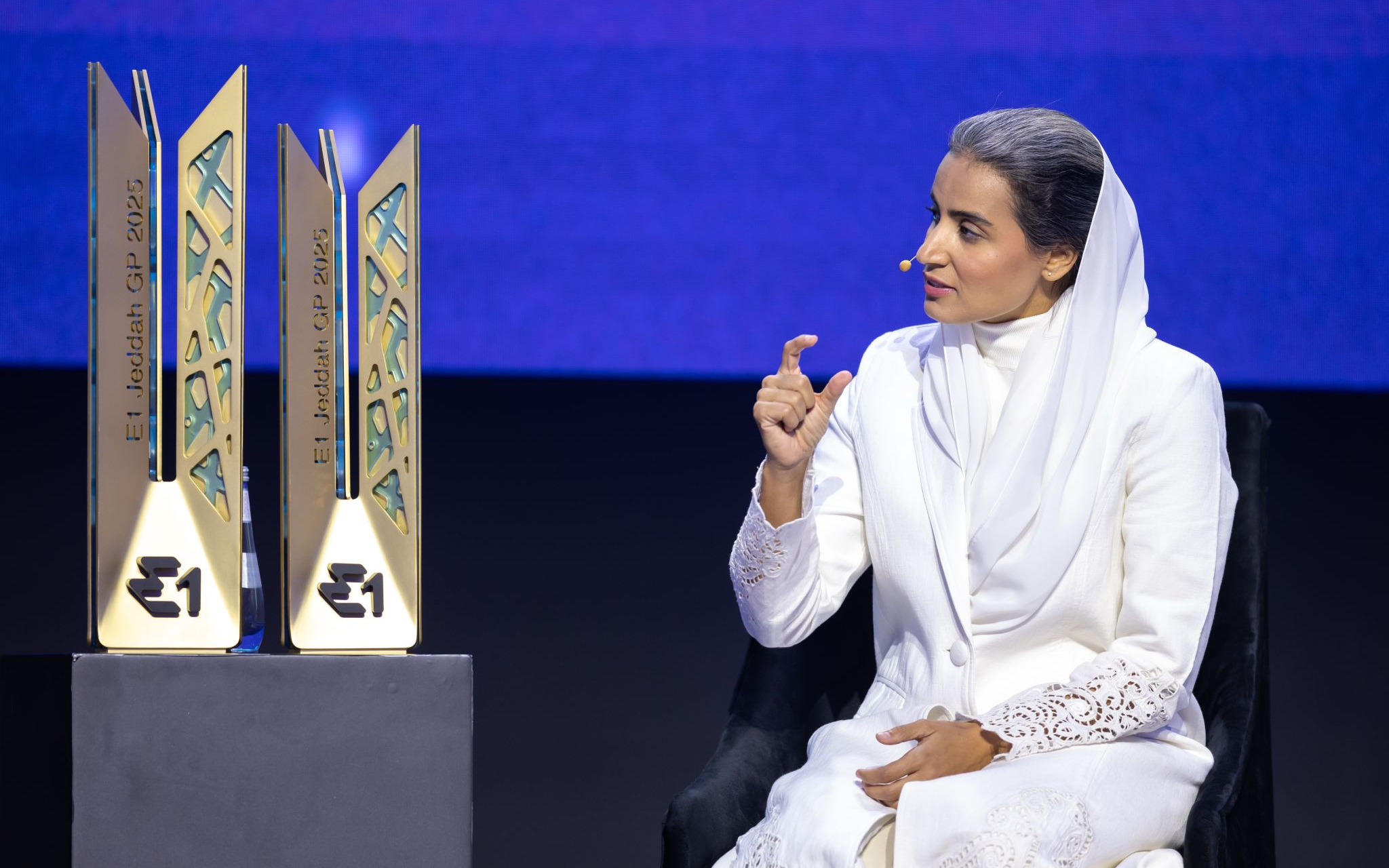
The breakthrough came at the 2025 E1 Jeddah Grand Prix. Mashael Al-Obaidan and teammate Dani Clos won the event for Aoki Racing Team. It was the team’s first E1 victory. The location gave the result additional meaning. A Saudi athlete had won an international electric racing event in front of a home audience on the Red Sea.
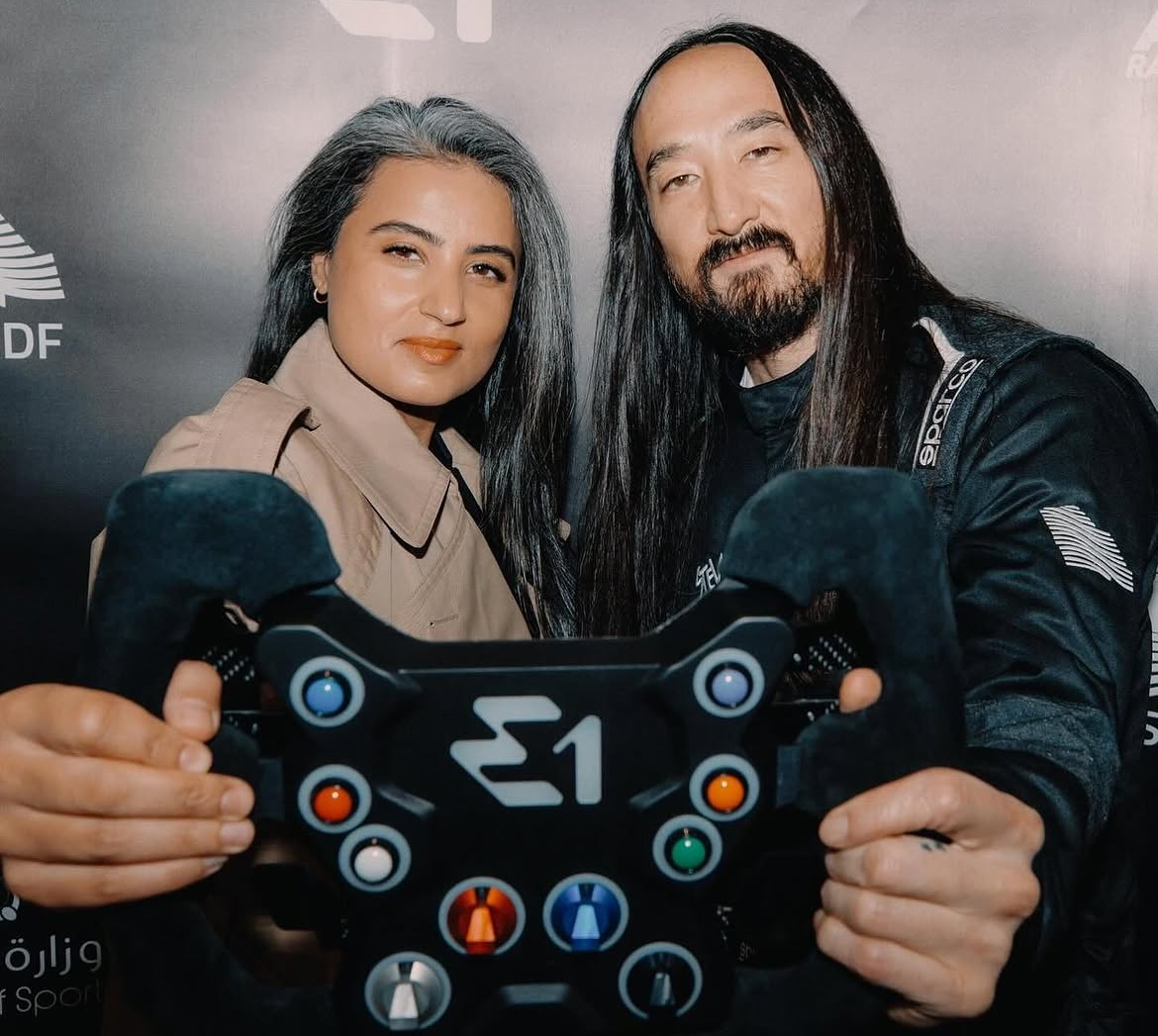
The victory connected several parts of Mashael’s story. It brought together her love of competition, her relationship with the sea, her ability to adapt and her role as a Saudi athlete competing in an emerging global sport. It also showed clear progress. Only one season earlier, she was learning how to control the RaceBird. In Jeddah, she became part of a winning team. Mashael dedicated the victory to Saudi Arabia and its people.
Proving the Victory Was Not a One-Off
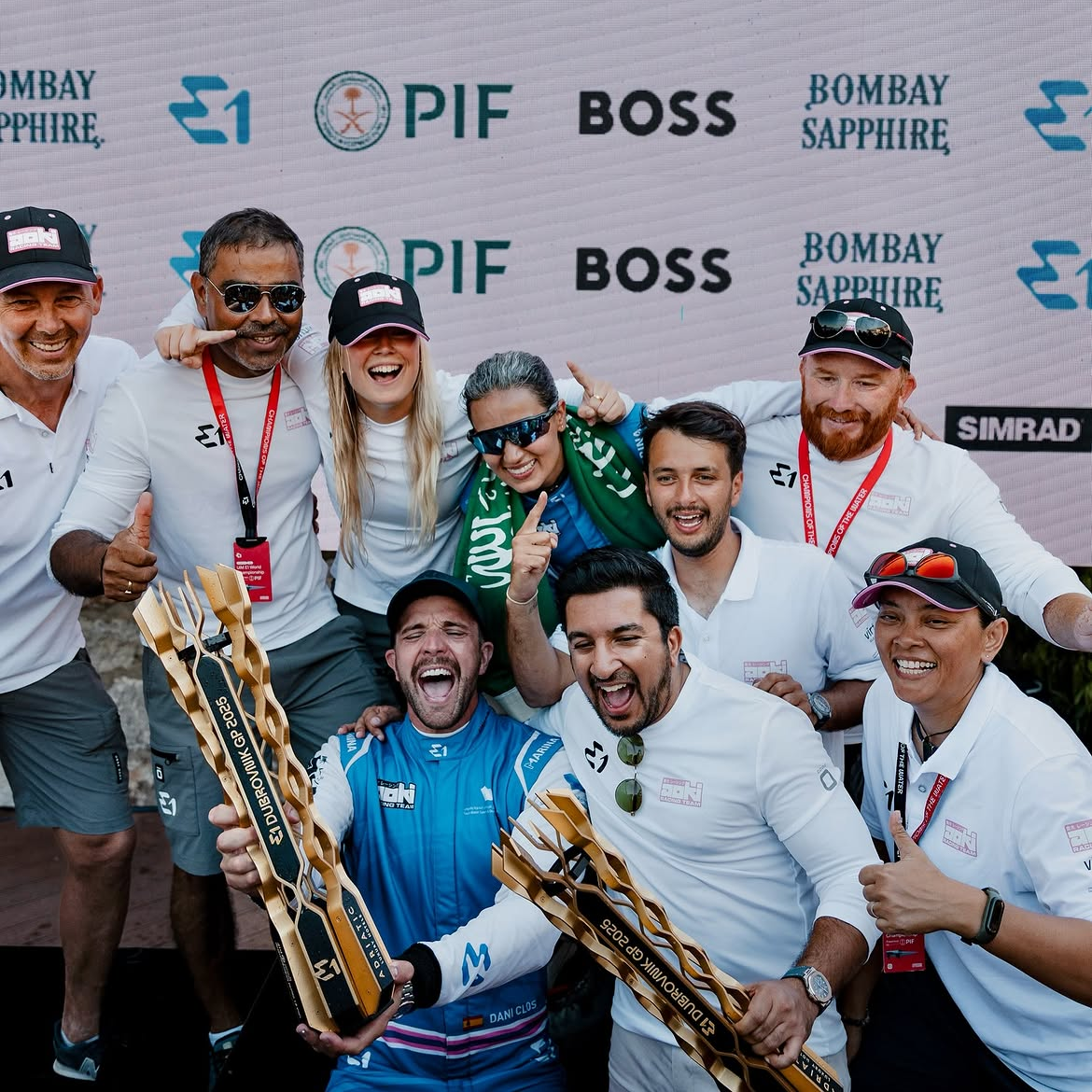
Aoki Racing Team continued its momentum at the E1 round in Dubrovnik. Mashael played an important role by winning a close group-stage race. That result helped the team move toward its second victory of the season. The Dubrovnik performance showed that the Jeddah success was not limited to home conditions. She contributed away from Saudi Arabia, under pressure, against international rivals. The result also helped Aoki Racing Team move into the championship lead at that stage of the season. Her role reflected the importance of team racing in E1, where both pilots contribute to the overall result.
From Athlete to Contributor to the Saudi Sports Economy
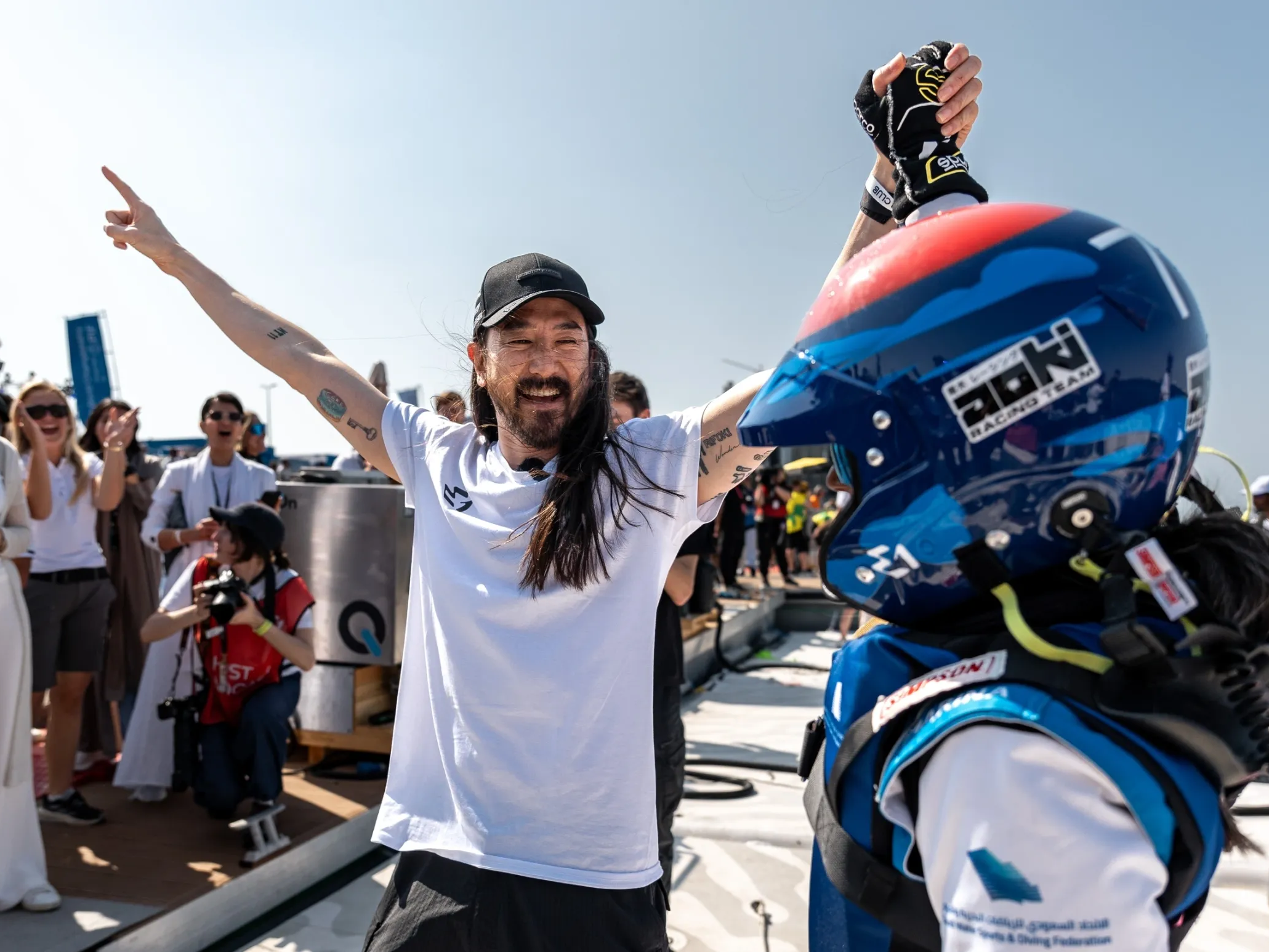
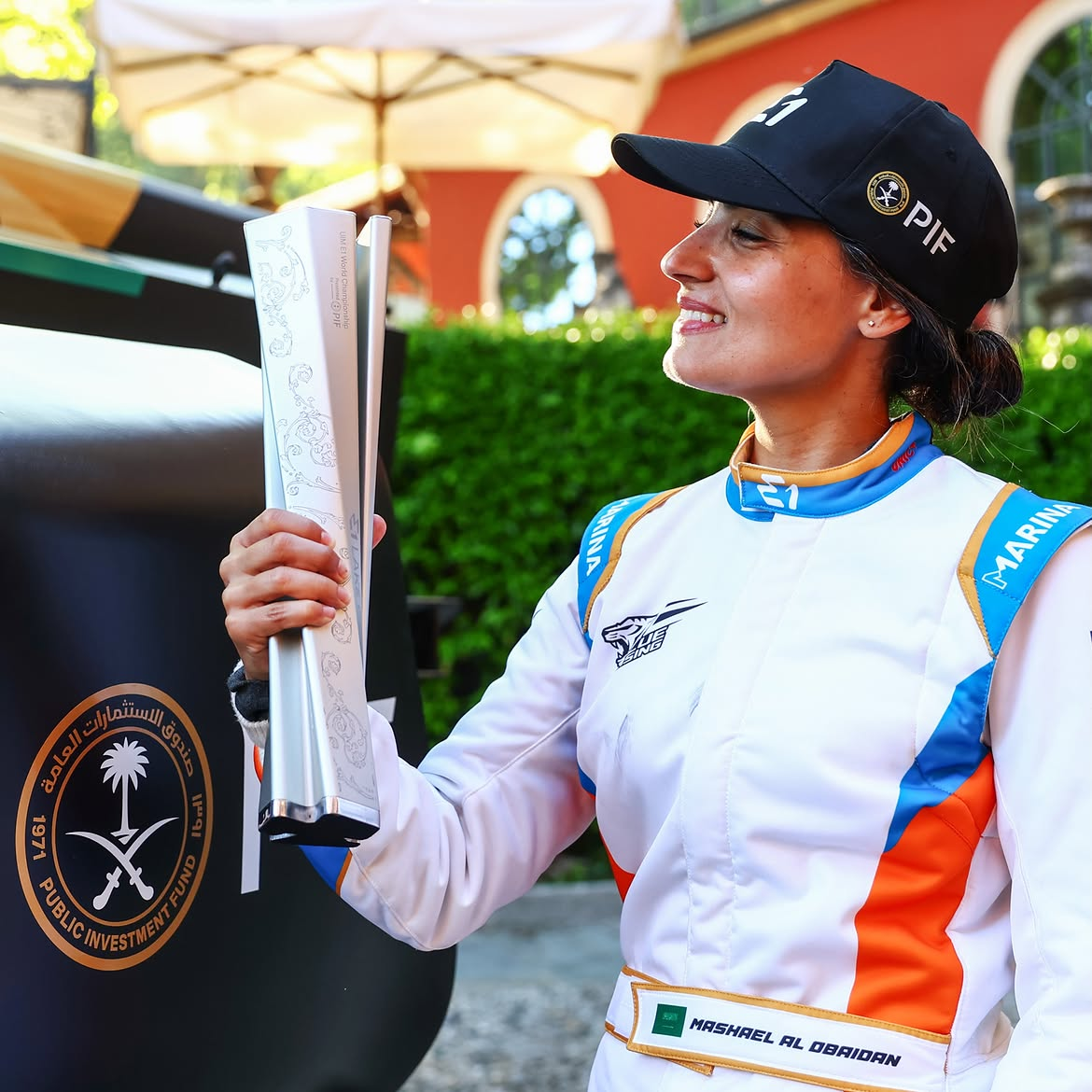
Mashael Al-Obaidan’s athlete story remains central, but her influence now extends beyond competition. She works in sports-sector business development at the Ministry of Investment, where her work focuses on sport investment attraction, development and promotion. Her professional career has included roles in business development, international investment and entrepreneurship. She has also worked with the Saudi Aramco Entrepreneurship Center, Wa’ed, and previously served as a startup co-founder. These experiences give her an unusual perspective. She understands sport as an athlete who has searched for sponsorship, entered international competitions and adapted to new technology.
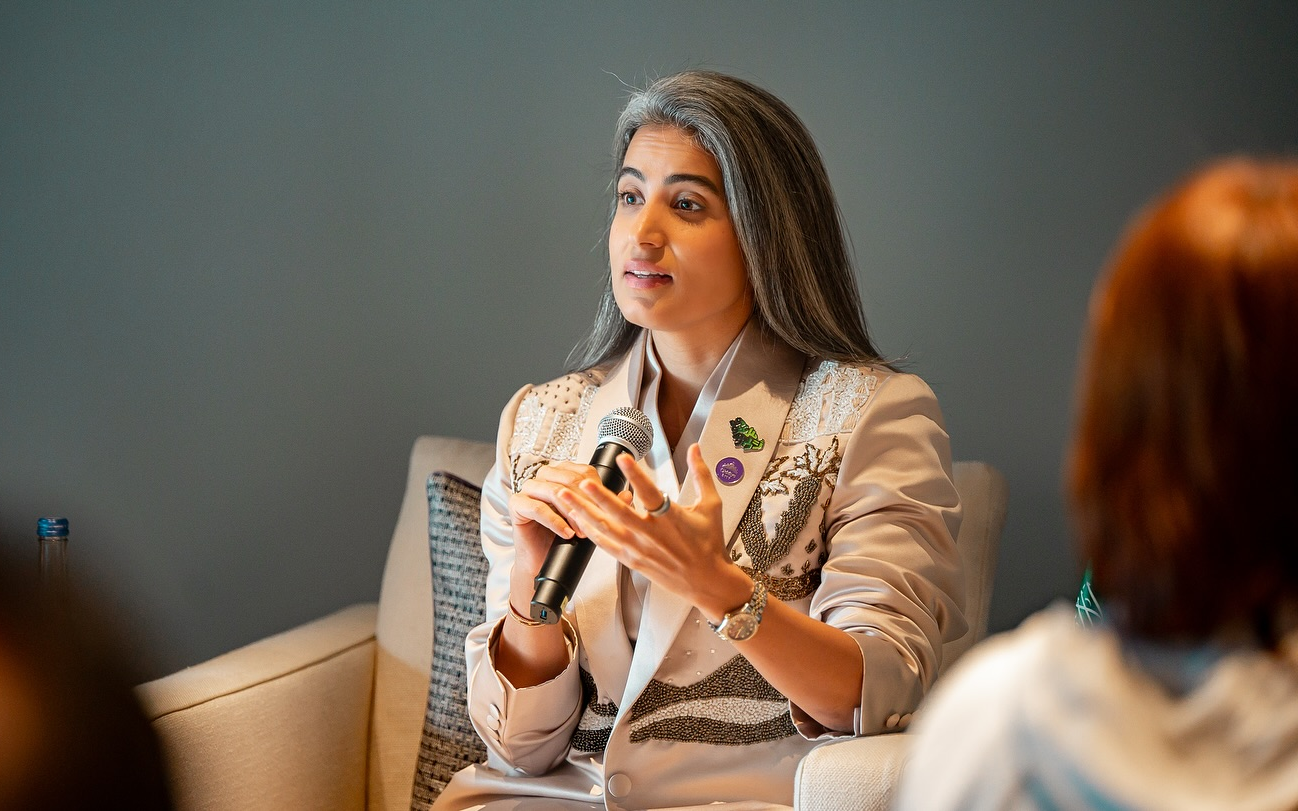
She also understands that a strong sports economy requires more than events. It needs investors, technical services, equipment companies, training systems, media businesses, tourism operators and professional pathways for athletes. Mashael has experienced the gap between talent and access. She knows what competitors need to remain active and internationally competitive. That athlete perspective can help inform how Saudi Arabia develops the commercial systems around sport. Her story therefore points to a larger opportunity under Vision 2030. Saudi sport can create champions. It can also create companies, careers, technologies and new markets.
Still Exploring, Still Competing
Mashael Al-Obaidan’s journey is connected by one consistent quality: the willingness to enter unfamiliar territory. The quad her father gave her led to dirt bikes and motorcycles. Those experiences led to rally racing. Rallying led to Hail, Baja Aragón and Dakar. Dakar helped open the door to E1. Today, she stands as a Saudi athlete who has competed across desert and water, while also contributing to the wider development of the sports sector.
Her path was not ready-made. She built it through curiosity, preparation and repeated adaptation. For young Saudis, that may be the most valuable part of her story. The next generation does not have to choose between being an athlete, an engineer, a founder or a sports leader. Saudi Arabia’s growing sports economy needs people who can connect these worlds. Mashael Al-Obaidan shows what can happen when someone keeps moving beyond the expected finish line.
Follow Riyada Hub for real progress, sharp insights, and weekly inspiration.


