


Kariman Abuljadayel’s Olympic race might have lasted only seconds. But her contribution to Saudi sport has continued for years. She entered history at the Rio 2016 Olympic Games as the first Saudi woman to compete in the women’s 100 metres. Yet sprinting became only the first chapter of a much wider journey. She later moved into rowing, helped support the development of its national structure, contributed to sports planning, and continued building an identity that connects athletic performance with architecture and leadership.
Her story is not only about reaching the Olympics. It is about what an athlete can build after the race is over.
Background and Journey
Before Kariman Abuljadayel became an Olympian, she was a student learning how to balance ambition with discipline. She studied architecture at Northeastern University in Boston. At the same time, she trained within the university’s track and field environment. Her days required focus across two demanding fields. Architecture required patience, structure, and attention to detail. Sprinting required speed, strength, and repetition.
Behind that ambition was strong family support. Kariman identifies her mother, writer and journalist Suraya Alshehry, as the person who gave her the confidence to pursue an Olympic dream. When Kariman told her that she wanted to reach the Games, her mother did not focus only on whether she would succeed. She understood that her daughter wanted to chase a dream.
“When I told her about my dream, instead of saying, ‘No, you can't do it, because no one ever has done it before’, she actually told me, ‘Yes, no one has done it before, but you can be the first’.
Elite sport offers no guarantees. Athletes can sacrifice weekends, holidays, time, and comfort without ever reaching the podium or the Olympic stage. Kariman still chose to try. She did not want to look back and ask, “What if?” That mindset became one of the defining principles of her career. Success mattered, but effort mattered first.
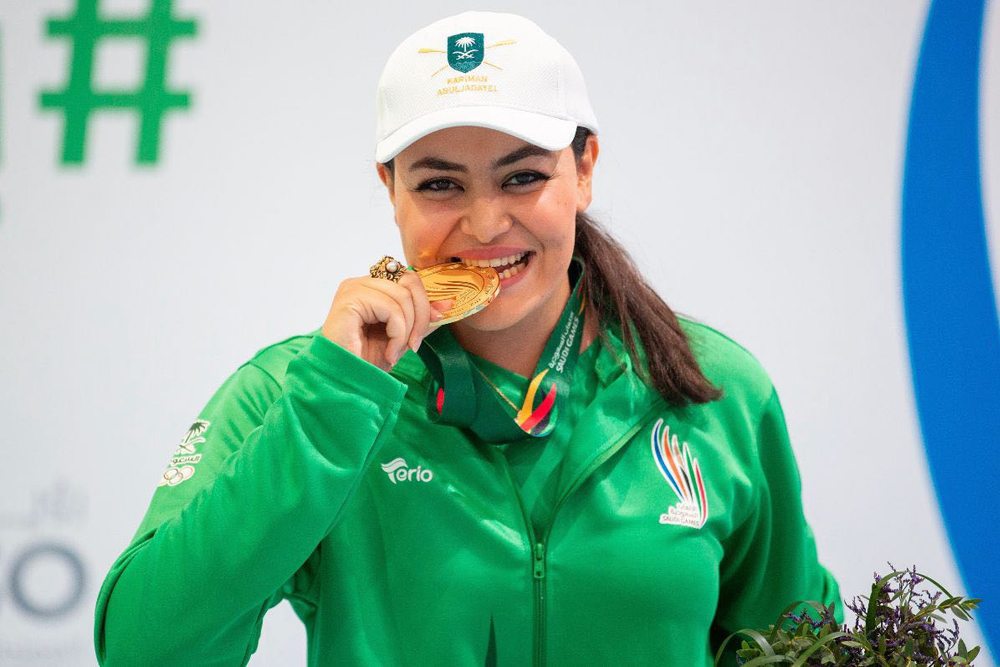
Rio 2016: The Moment She Became an Olympian
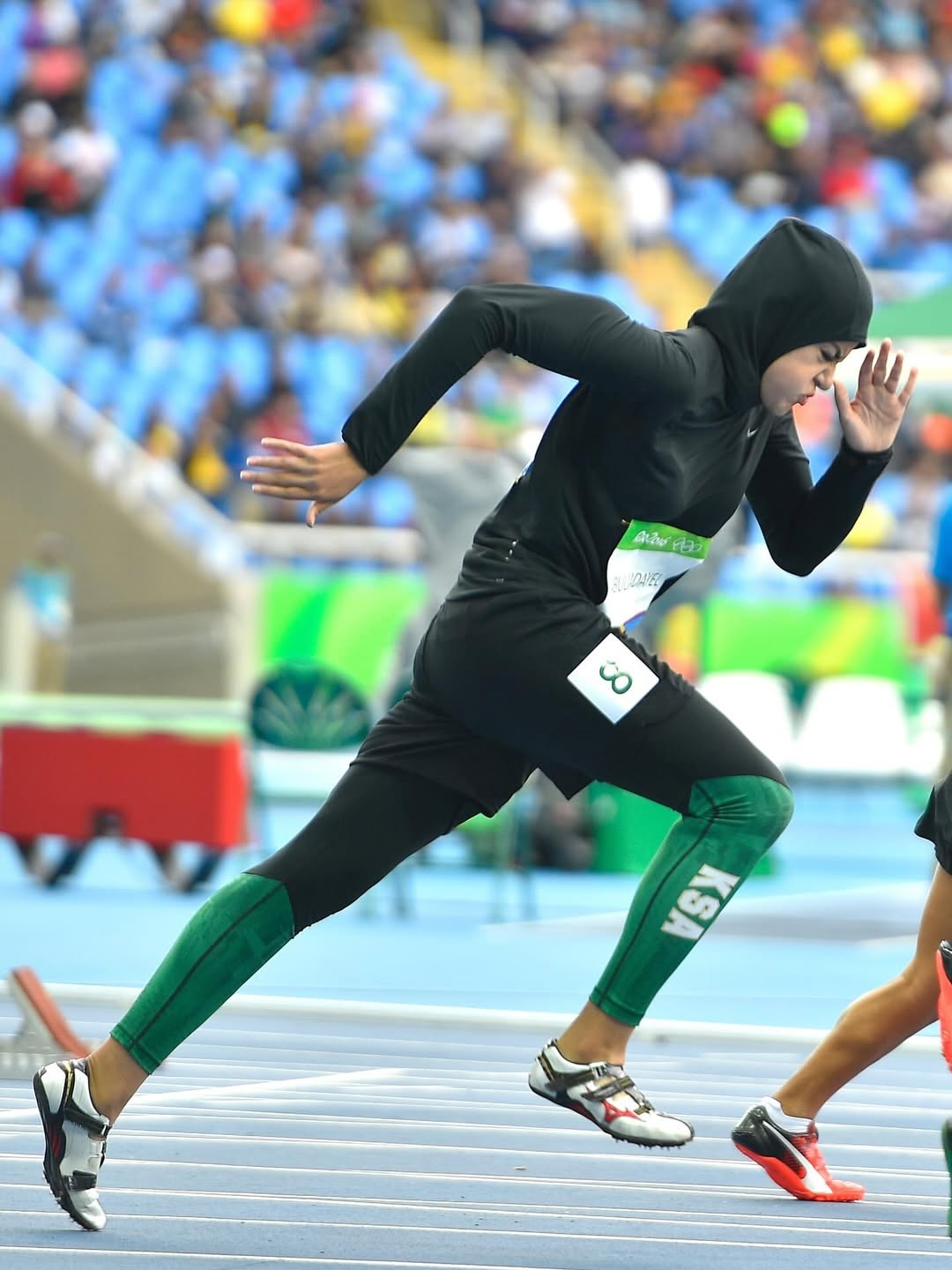
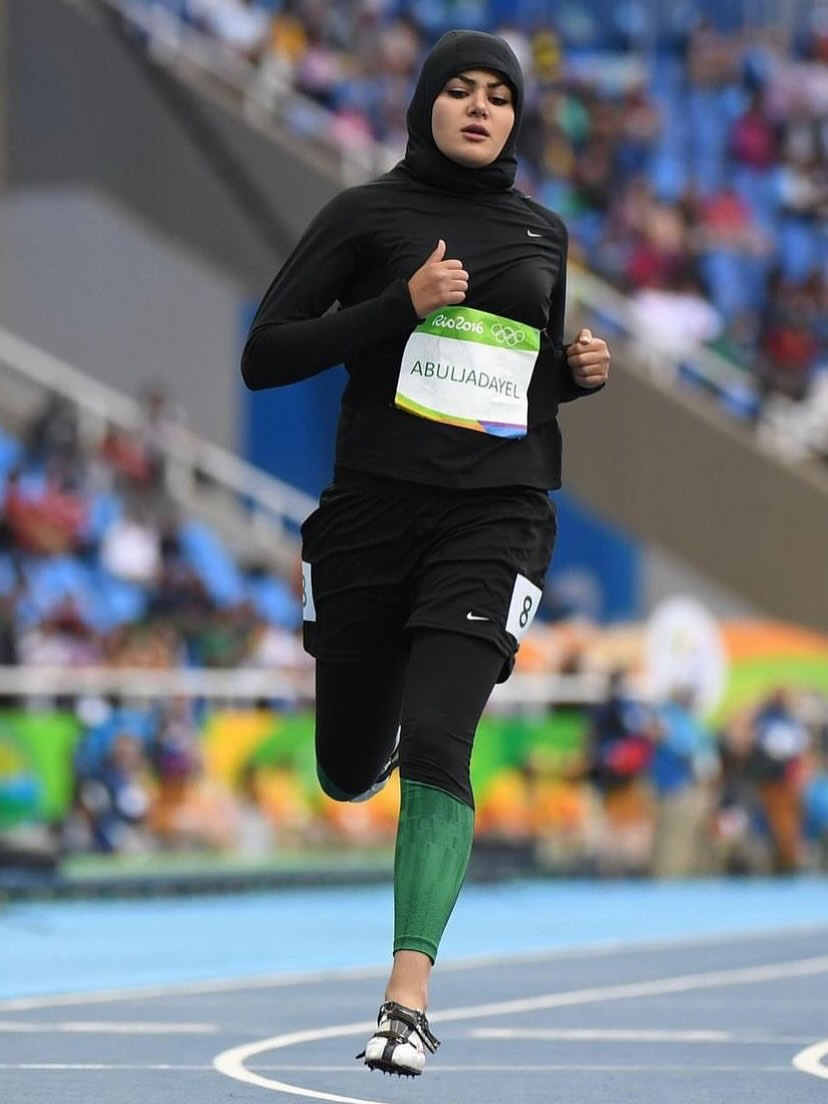
At the Rio 2016 Olympic Games, Kariman Abuljadayel represented Saudi Arabia in the women’s 100 metres. Her participation marked an important first. She became the first Saudi woman to compete in the Olympic event, adding a new chapter to the Kingdom’s growing history of women’s participation in international sport.
For Kariman, one of the most powerful memories did not come from the race itself. It came during the opening ceremony at the Maracanã Stadium. She walked into the stadium with the Saudi delegation as the Kingdom’s name was announced. The stands were full. The atmosphere was enormous.
"I was walking down and it’s just such a great moment. I looked at the jumbo screen at the stadium and I saw myself. I was like, wow, what a moment. At that moment, I officially felt that I’m actually an Olympian. OK, you officially made it as an Olympian! It was such a great moment for me. And I waved at myself. I was just so happy.”
It was a simple and deeply human reaction. It also captured the scale of the moment. Years of training, uncertainty, study, and sacrifice had become real. For Saudi audiences, her appearance carried wider meaning. It showed a Saudi woman competing on one of the world’s largest sporting stages. It also demonstrated that national representation can begin with one athlete willing to enter a space where few have gone before.
Preserving a Saudi Olympic Milestone
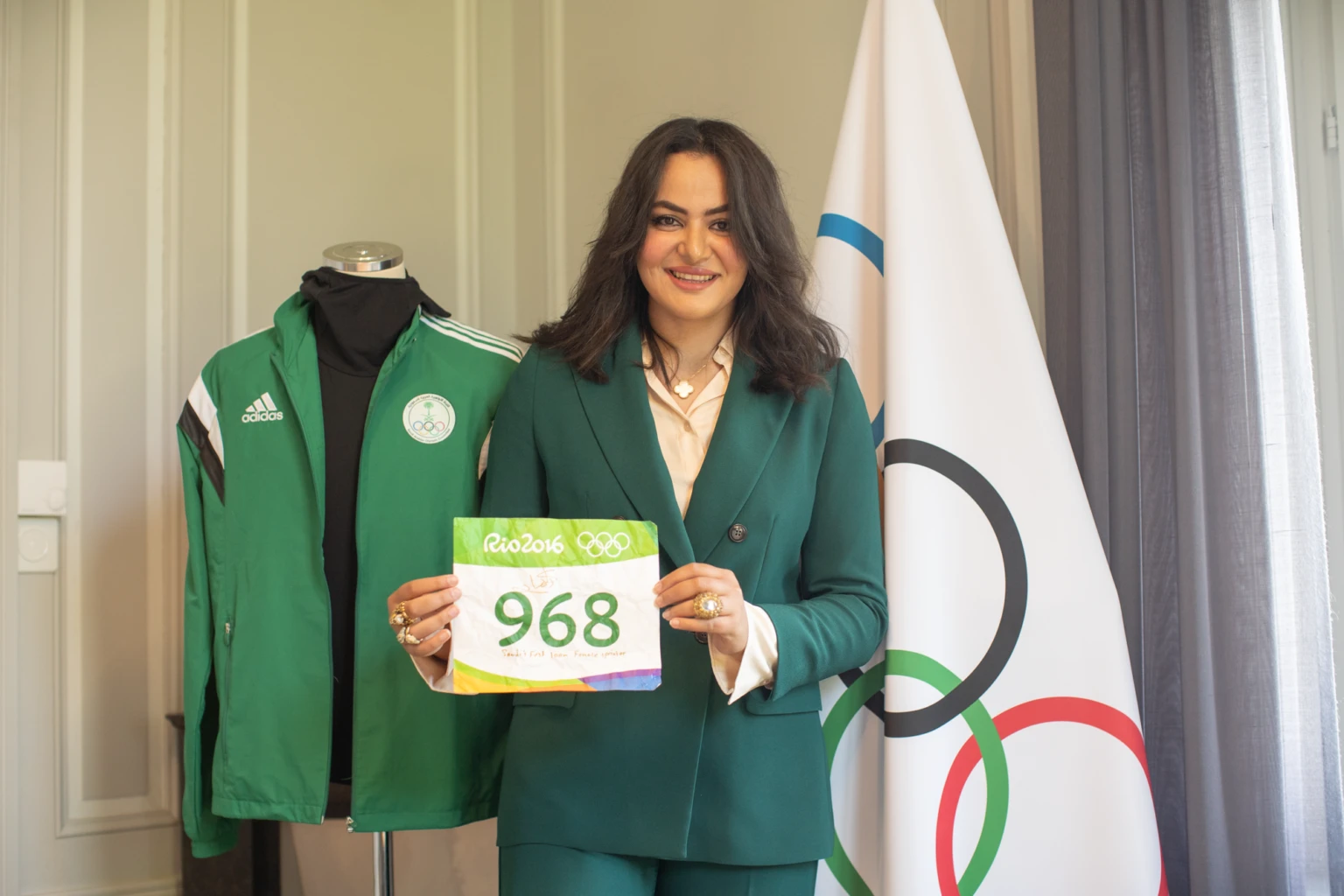
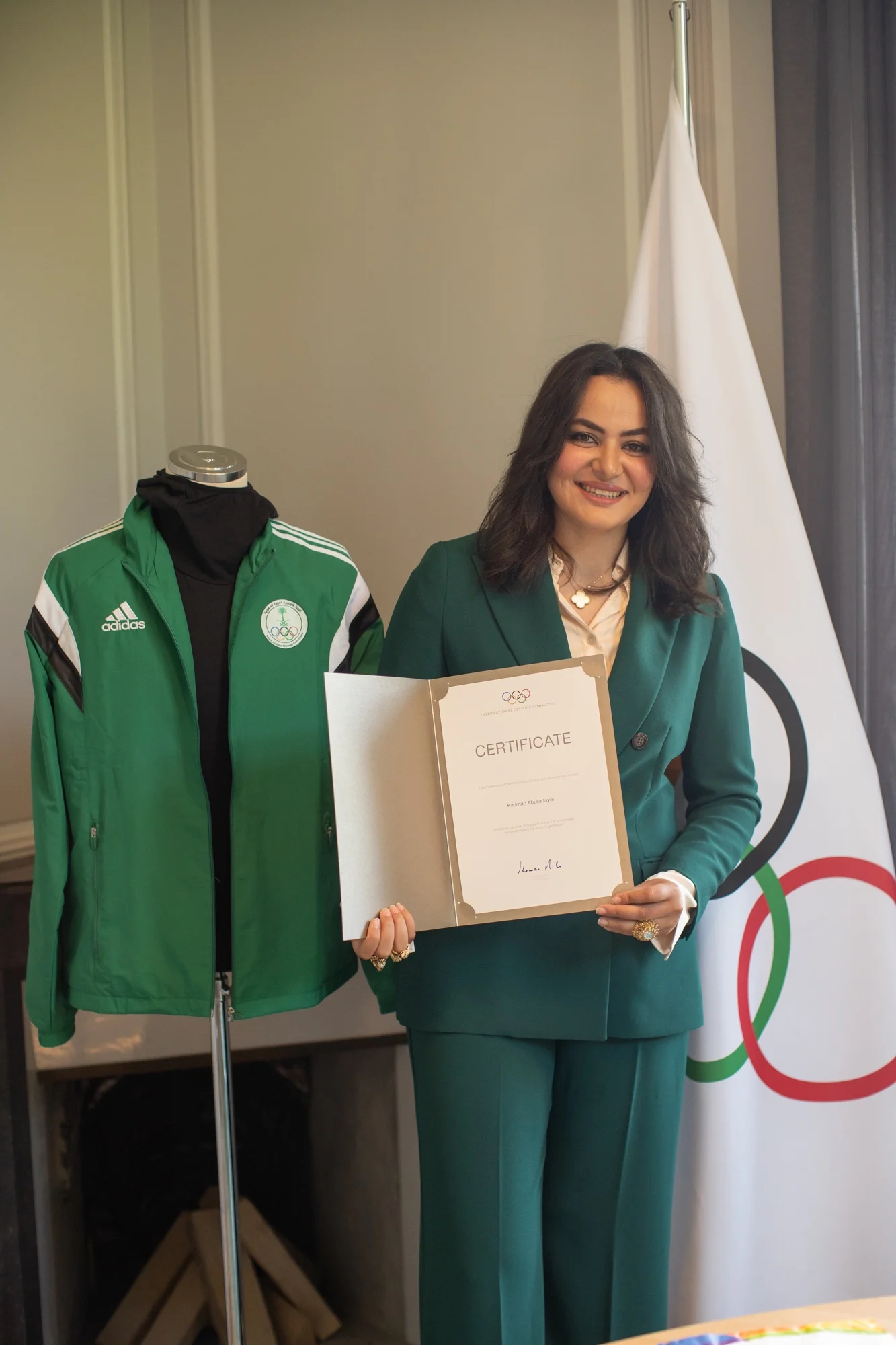
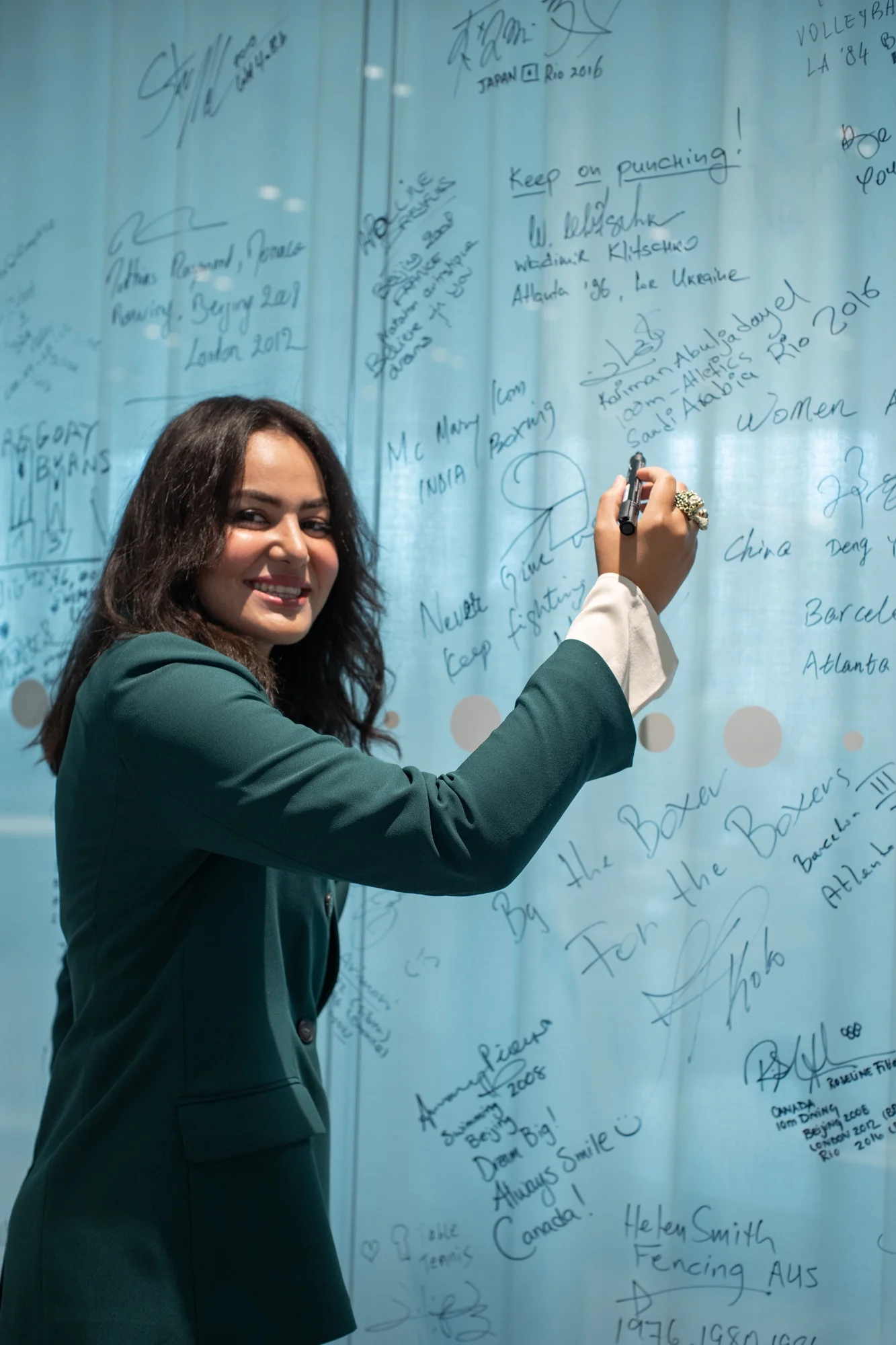
Years later, Kariman Abuljadayel’s Rio 2016 outfit became part of the Olympic Museum’s collection in Lausanne, Switzerland. The museum invited her to donate the uniform and display it as part of the wider Olympic story. She also visited Olympic House, the headquarters of the International Olympic Committee, where she signed the Olympians Wall.
Her outfit was displayed in a section that included items connected to internationally recognised athletes such as Usain Bolt and Yusra Mardini. Seeing it there made her feel that her own journey had become part of something larger. She was no longer viewing the Games only as a participant. She was seeing her contribution preserved as Olympic history.
The visit had such an impact that she returned to the museum a second time before travelling back to training in London. The outfit represents more than a race. It records a moment when Saudi women’s participation in global sport became more visible. It also gives future visitors a physical connection to a milestone in the Kingdom’s sporting development.
Reinvention: From 100 Metres to 2,000 Metres
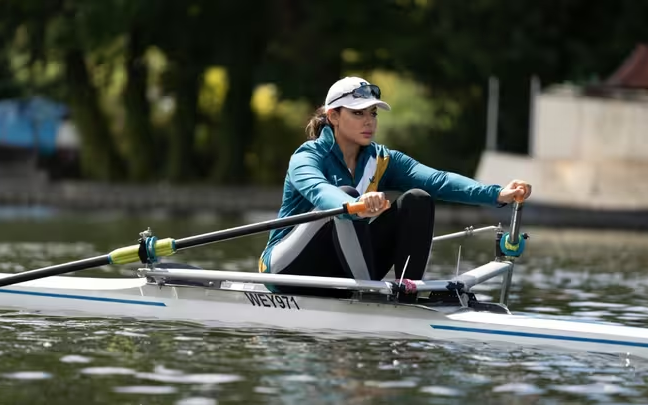
Many athletes spend their entire careers refining one discipline. Kariman Abuljadayel chose a different path. After sprinting, she moved into rowing. The transition required a major physical and psychological adjustment. A 100-metre sprint depends on explosive power. The athlete must accelerate quickly, maintain speed, and finish within seconds. A standard rowing race often covers 2,000 metres and can last seven or eight minutes. Strength and explosiveness still matter, but they must be supported by endurance, rhythm, technical control, and concentration.
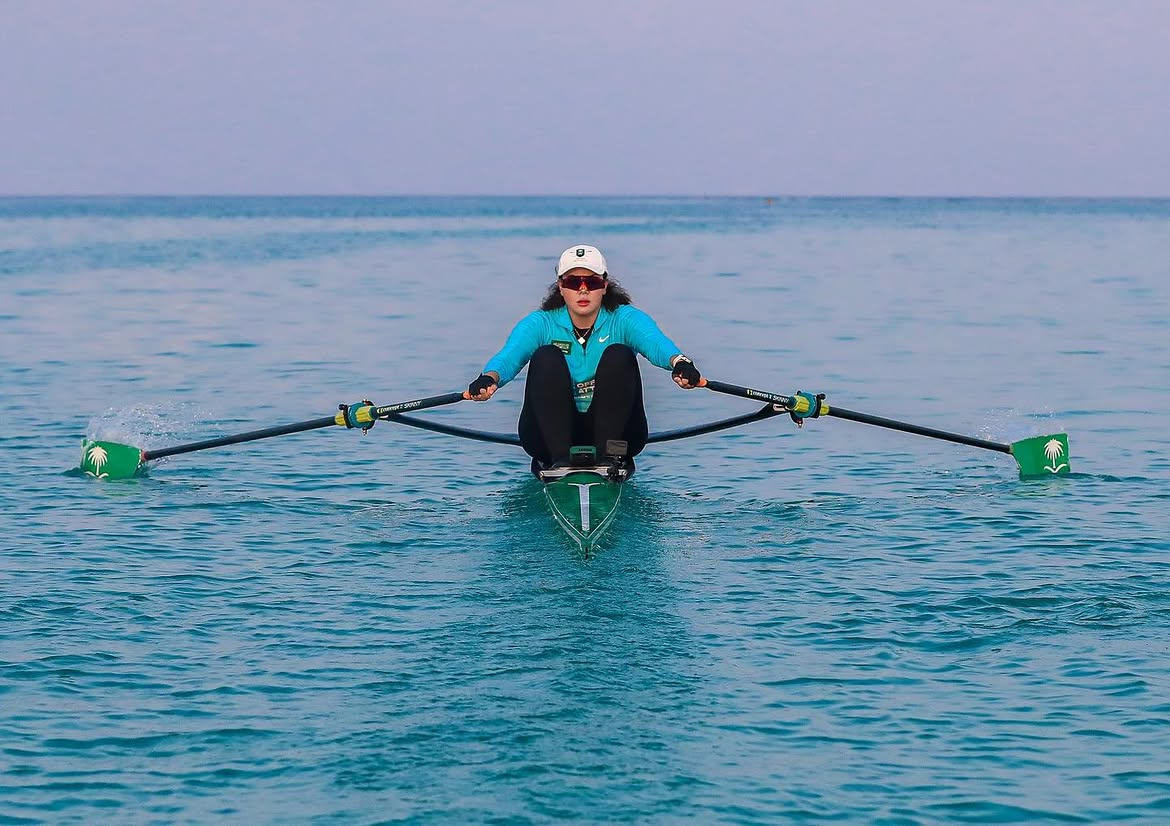
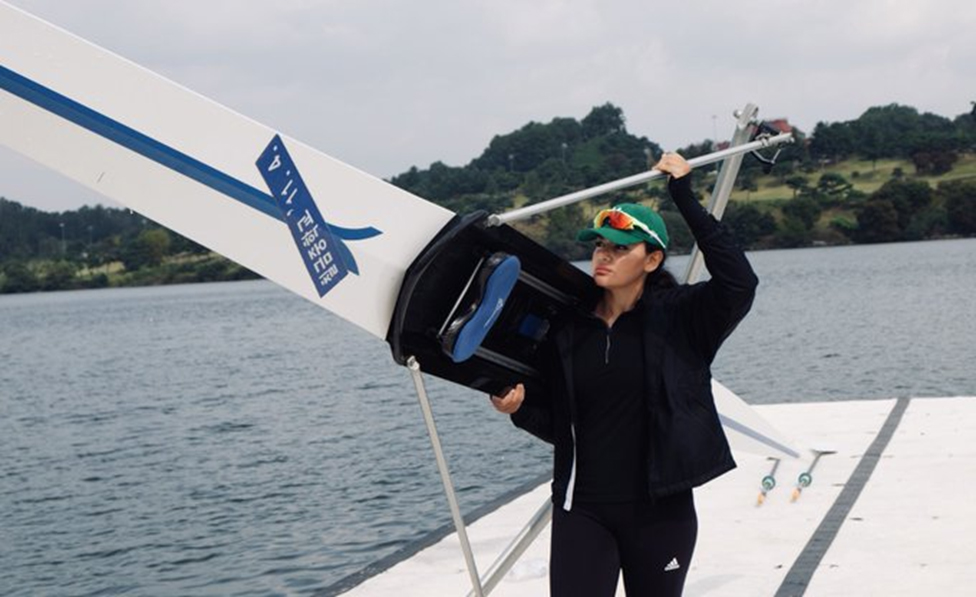
Kariman describes rowing as an intensely mental sport. During a race, an athlete must manage fatigue while responding to the wind, water, temperature, equipment, and changing conditions. Water may splash into the face. The boat must remain balanced. Every movement must stay connected to the next. At several points, the mind may tell the athlete to stop. That is what made the transition so difficult. She was not only training her body for a longer event. She was learning how to stay composed through sustained discomfort.
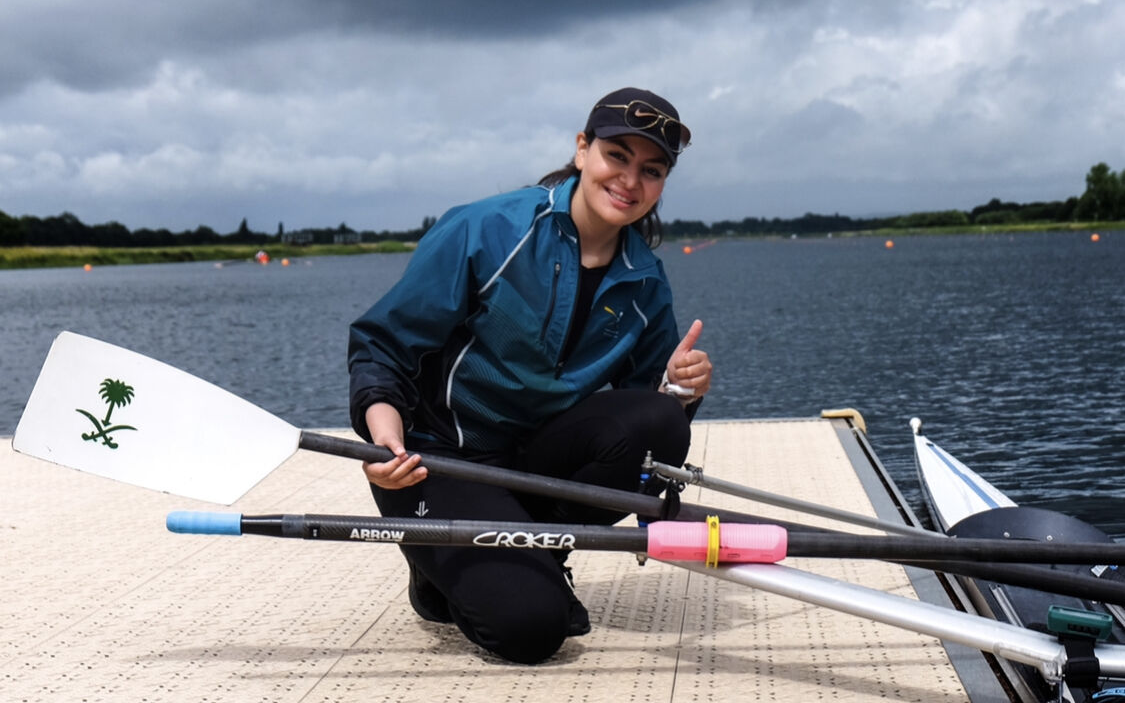
“If you switch to rowing, trust me, everything is easy.”
The humour reflects a serious lesson. Reinvention requires humility. An Olympian in one sport must still become a student in another. Kariman accepted that challenge.
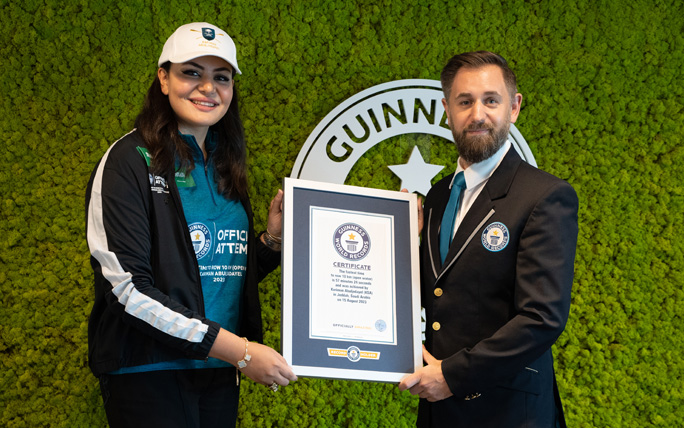
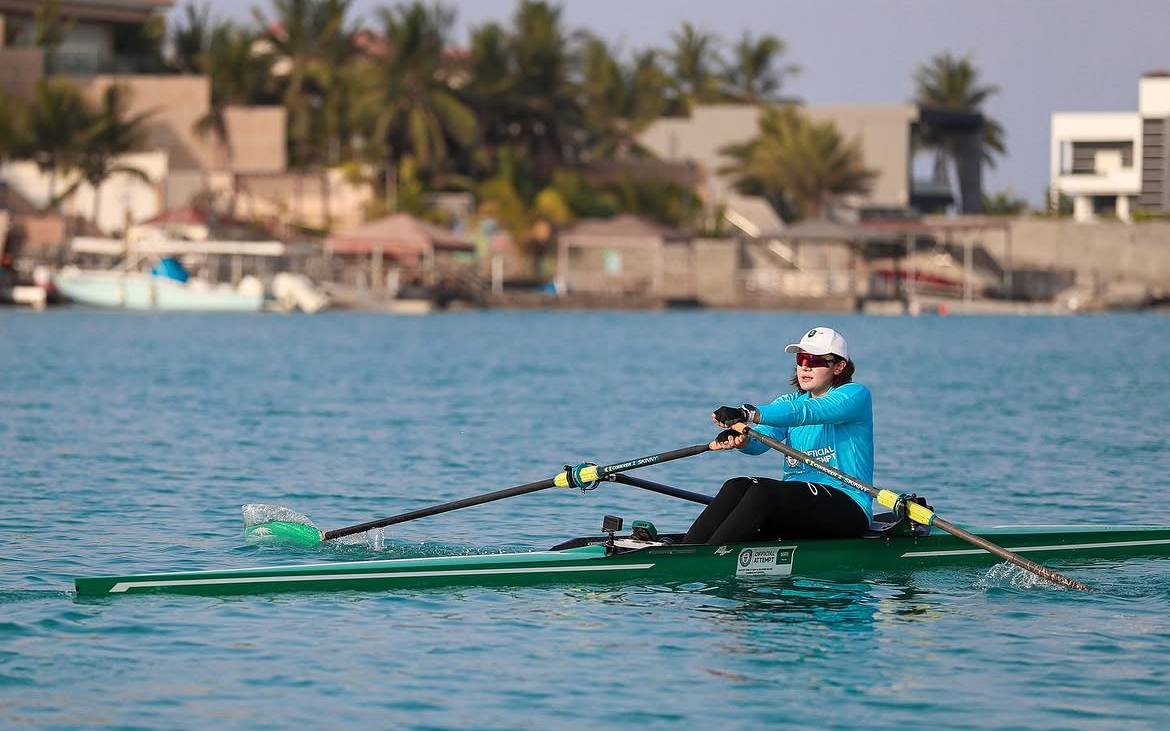
Kariman went on to achieve multiple milestones in rowing. She won the women’s open 2,000-metre event at the 2021 Asian indoor rowing qualifier in 7 minutes 37.2 seconds. In August 2023, she also set a Guinness World Record in Jeddah by completing a 10-kilometre open-water row in 57 minutes 24 seconds. Together, these achievements highlight her range across indoor competition and long-distance open-water rowing.
The Discipline Behind the Athlete
Her rowing routine reveals the scale of that commitment. She often woke between 5:00 and 6:00 in the morning. Early sessions were necessary because the water was usually calmer before the wind became stronger later in the day. Her first practice began at approximately 7:00 or 8:00 a.m. A single water session could cover between 12 and 16 kilometres. After a short break, she would return and repeat the work. On many days, she completed a third session in the gym or on a rowing machine.
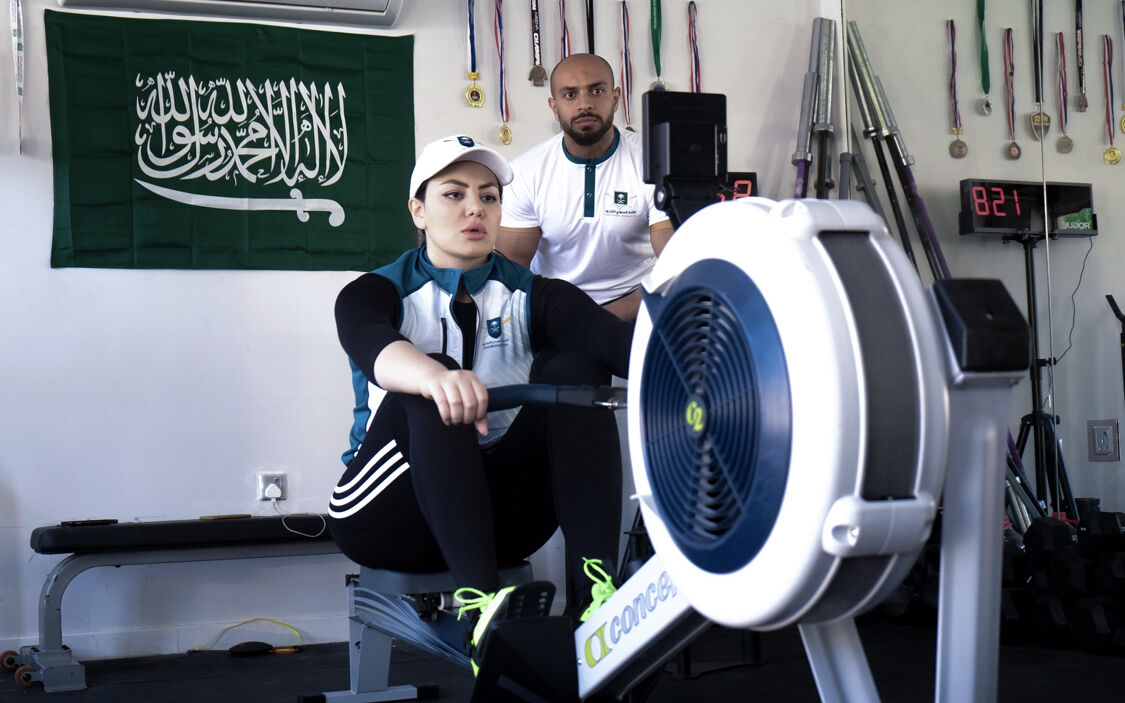
She trained six or seven days per week. This schedule shows why elite sport cannot be treated as a hobby. It shapes the athlete’s entire life. Progress comes from repeated mornings, controlled routines, and the willingness to continue when immediate results are not visible. The competition may attract attention, but the real work happens far from the audience. Kariman’s routine also reflects the demands of changing sports at a high level. She was not beginning as a recreational rower. She was attempting to build the endurance and technical ability required for international competition.
Building the Saudi Rowing Federation
Kariman Abuljadayel’s move into rowing also brought her closer to the process of building a sport from the ground up. When she entered athletics, Saudi Arabia already had an established federation, existing systems, and experienced athletes. The pathway was visible.
"We just came to them with this crazy idea that we needed our own federation, and we’re just a few, but of course we’re going to win everything, we’re going to win the medals, we’re going to have a Saudi national team and we’re going to grow"
The Saudi Rowing Federation was established in 2019. Kariman’s contribution went beyond competing. She also helped shape the federation’s early identity. Working with fellow rower Mohammed Hadhrawi, she contributed to the design of its logo. The shield became a central symbol because the athletes were representing Saudi Arabia. But branding was only one part of the work.
In the federation’s early stage, there was limited staff and organisational capacity. Before an Asian Rowing Championships event in Korea, Kariman took responsibility for communication, accommodation, and logistics while continuing to train as an athlete. When officials met the Saudi delegation, they were surprised to discover that the athlete had also organised many of the arrangements.
“In the beginning, you think, how can I establish a sport in Saudi? But where there’s a will, there’s a way.”
That experience captures the reality of building a new sports system. Early contributors cannot always remain inside one job description. They solve the problems that exist. That distinction makes her story especially relevant to Saudi sports entrepreneurship. New sectors often grow because individuals combine technical skill with initiative. They compete, organise, design, communicate, and build at the same time.
A New Frontier in Cross-Country Skiing
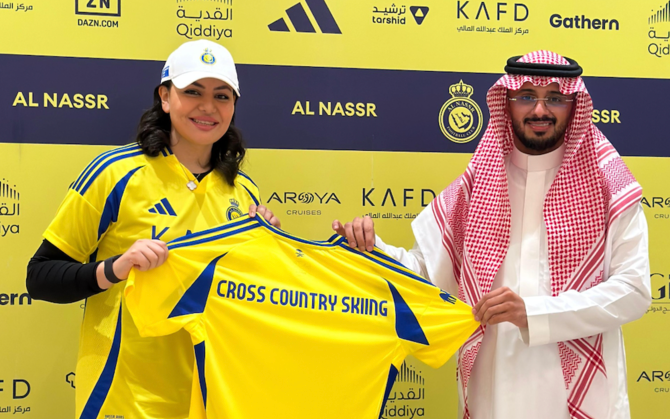
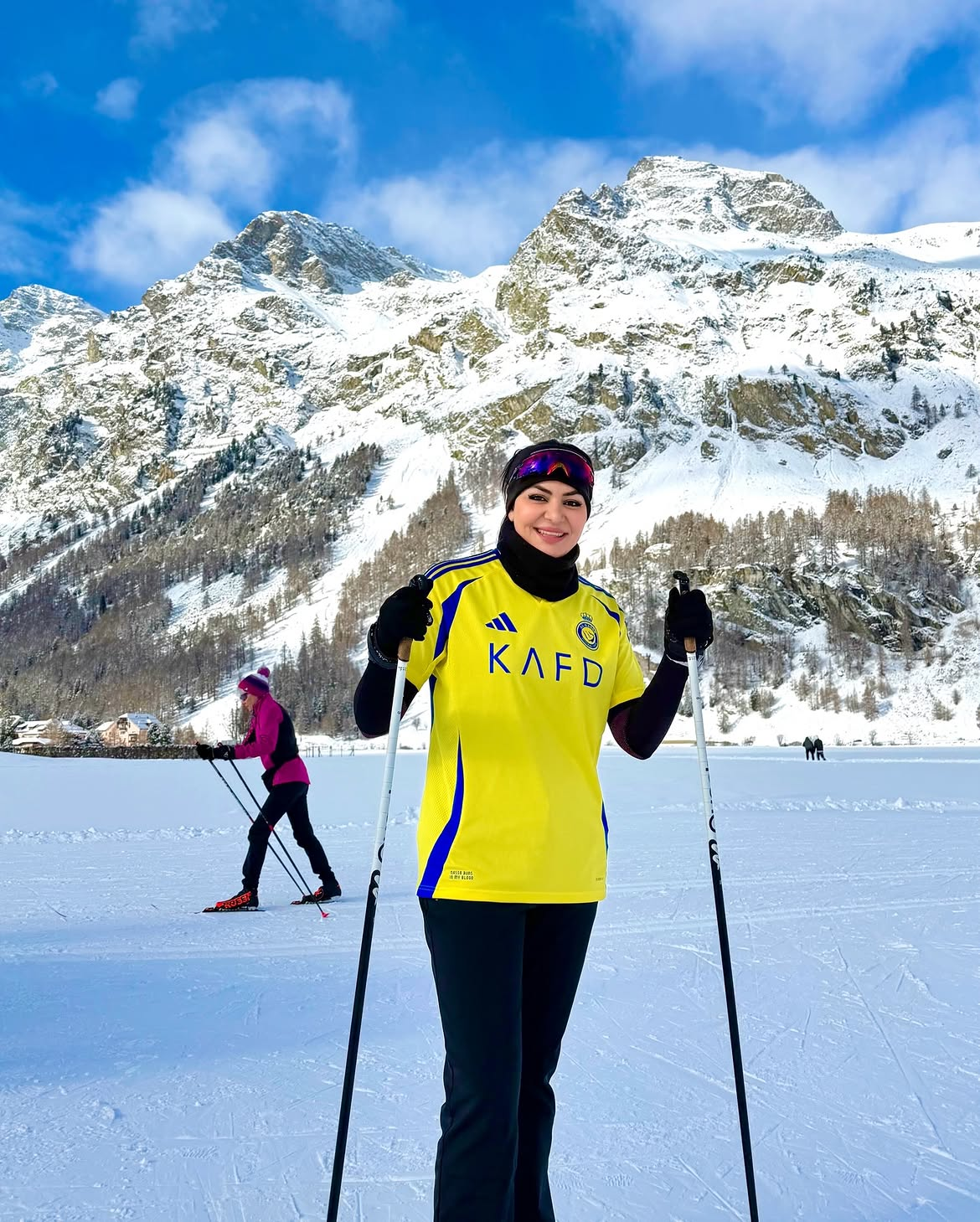
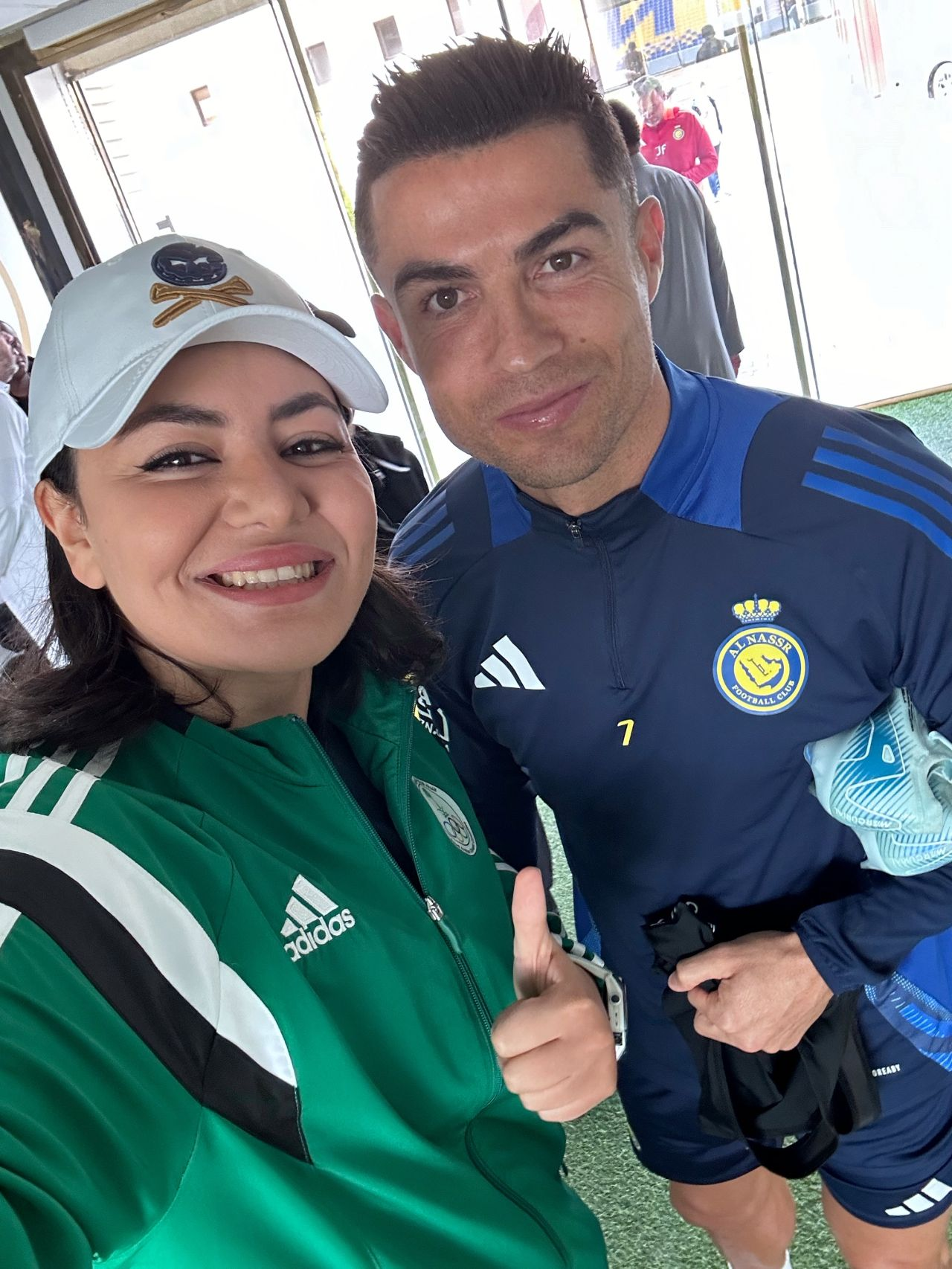
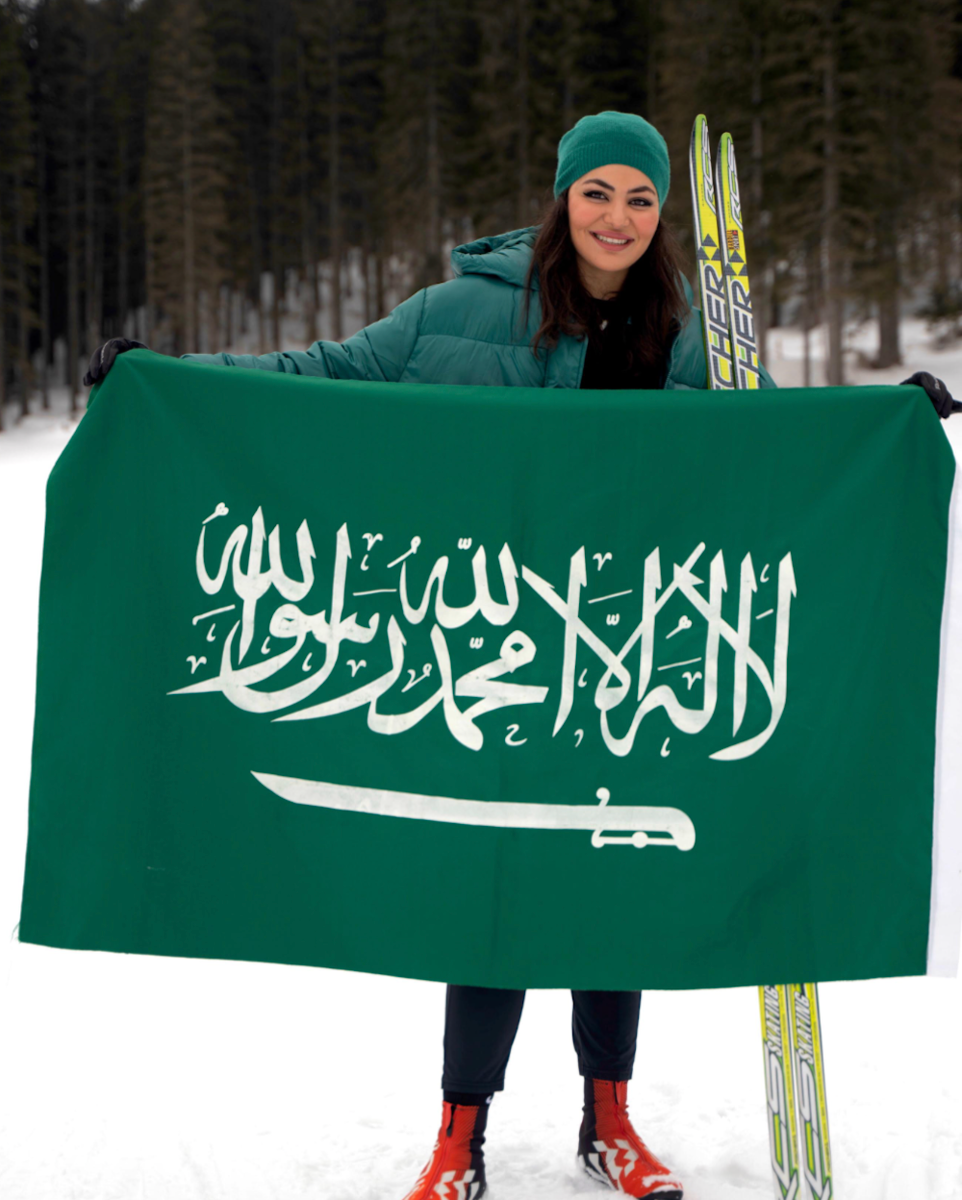
Kariman Abuljadayel’s multisport journey later expanded into cross-country skiing. She first tried the sport in St. Moritz, Switzerland, in 2019 as a form of winter endurance training. What began as preparation for another discipline gradually became a serious athletic direction. In July 2025, she joined Al-Nassr as the club’s first cross-country skier, giving her new pursuit a formal platform within one of Saudi Arabia’s most recognised sports institutions.
Her skiing story also reflects a wider national opportunity. Kariman trains on roller skis in Riyadh, showing that athletes do not need permanent snow to begin developing the sport. She has spoken about raising awareness, encouraging more Saudi women to participate, and creating opportunities for para-athletes. As Saudi Arabia expands its winter-sports ambitions, her role is not only to compete. It is also to help make an unfamiliar discipline visible, accessible, and connected to the Kingdom’s growing sports economy.
A Legacy Still in the Making
Kariman Abuljadayel’s Olympic race was historic, but it was only the beginning. She moved from sprinting to rowing and then into cross-country skiing. Today, she continues that journey as an active Saudi skier and Chair of the Asian Rowing Federation’s Athletes Committee, extending her influence from competition into continental sports governance.
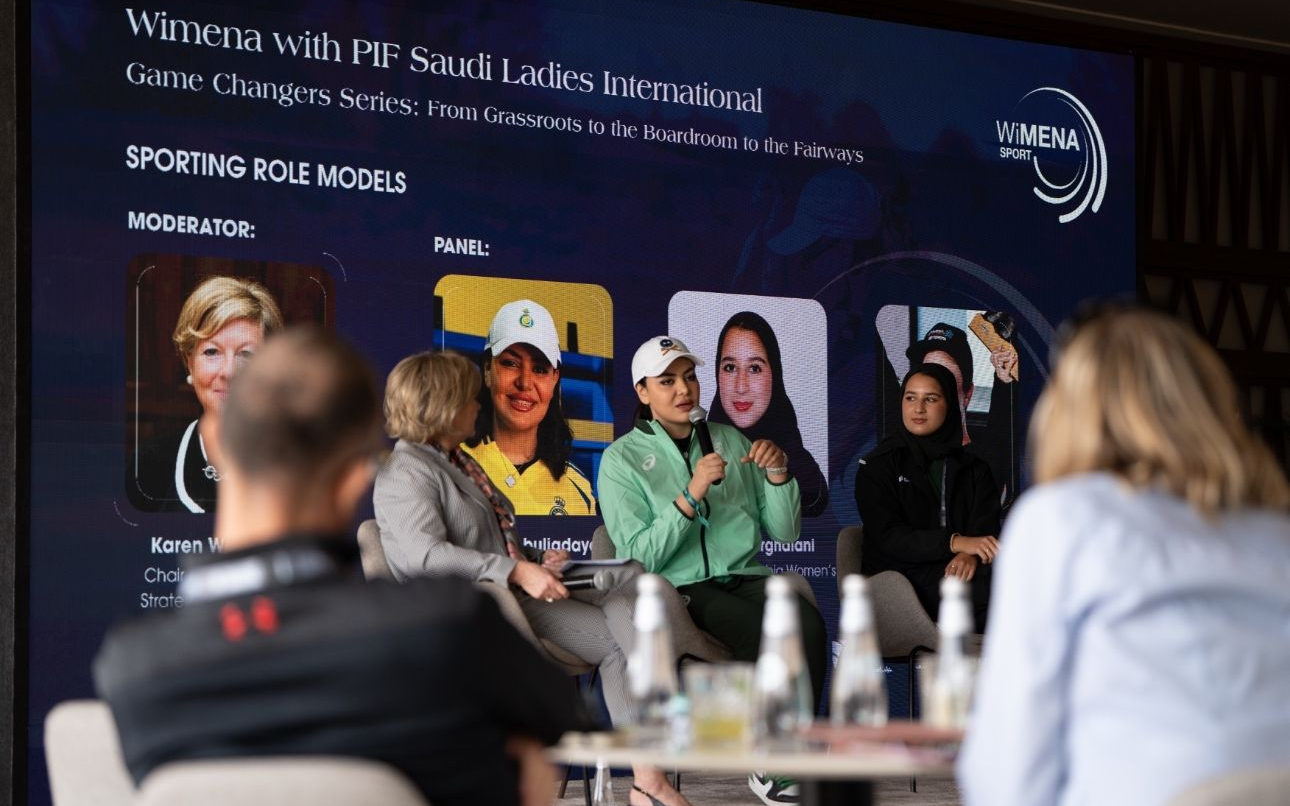
Her story shows that Saudi sport will be shaped not only by medal winners, but by athletes who help build stronger systems and open new disciplines. Kariman’s journey challenges the next generation to stop waiting for pathways to appear, and start creating them.
Follow Riyada Hub for the wins, stories, and insights shaping the future of Saudi sports.


