



Saudi Arabia’s sports story is moving fast. New events, new athletes, new federations, and new opportunities are changing what sport can mean for the next generation. Rasha Alkhamis stands at the center of that shift. Today, she serves as Chairwoman of the Saudi Mixed Martial Arts Federation, a full-time role she has held since March 2025. She also serves with IMMAF, the International Mixed Martial Arts Federation, through board and women’s committee responsibilities. But her journey did not begin in a boardroom. It began through movement, discipline, competition, and a belief that sport belongs to everyone.
A Childhood Built on Sport
Rasha Alkhamis grew up in Saudi Arabia with sport as part of daily life. She started basketball at the age of seven. Her father coached her and her brother with the same standards. He gave them the same feedback. He expected the same effort. He made no special exception because she was a girl. That early experience shaped her view of sport. From a young age, she learned that sport was not only for boys. It was for girls too. It was for anyone willing to train, compete, and improve.
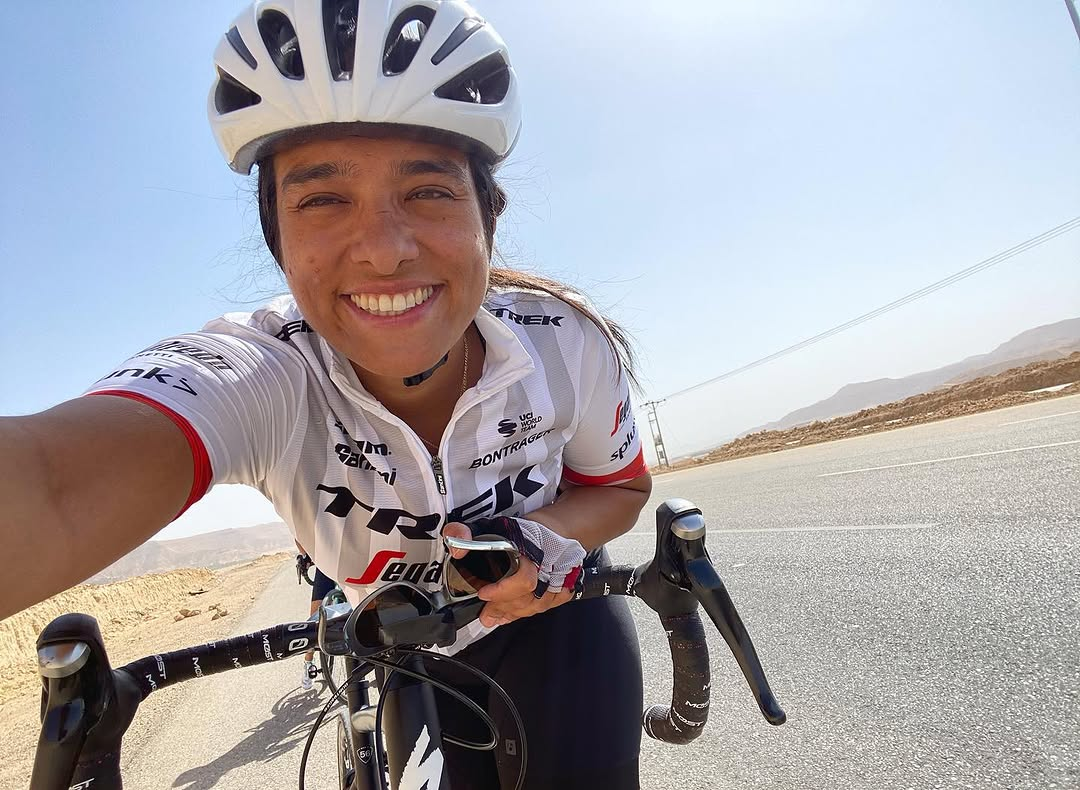
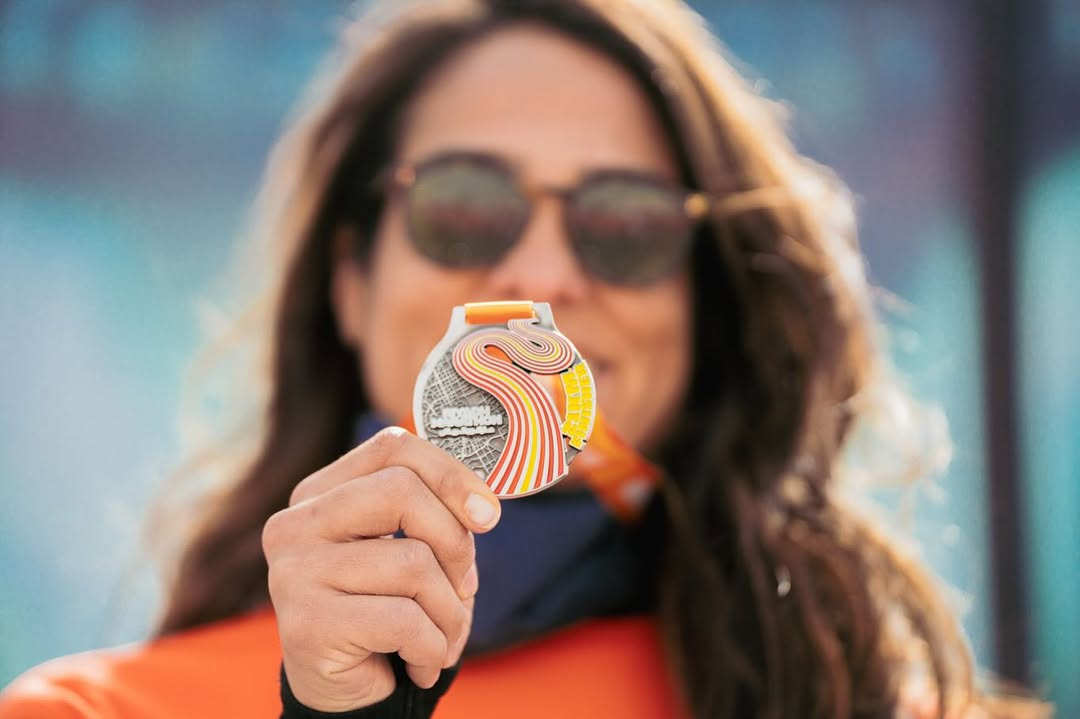
This belief later became one of the strongest themes in her career. Rasha did not enter sport only to participate. She entered it to expand access. She grew up practicing several sports, including basketball, football, tennis, long-distance running, cycling, and boxing. She also completed a marathon and climbed mountains. Before she became a federation leader, she was an athlete who understood effort from the inside.
The Athlete Before the Executive
Rasha Alkhamis is a four-time Guinness World Record holder through global football initiatives with Equal Playing Field, a movement known for using football to advance visibility and equality in sport. Two of those records are directly listed by Guinness with her name.
The first was the highest altitude women’s football match, played at 5,714 meters on Mount Kilimanjaro in Tanzania on 24 June 2017. The match brought together 30 women from 25 countries and was played under football regulations in one of the most challenging environments in world sport. The second was the lowest altitude football match, played 326 meters below sea level in Ghor Al Safi, Jordan, on 5 April 2018. Together, these two records show the physical range of her global football journey: from the top of Kilimanjaro to one of the lowest playing fields on earth.
Her wider Guinness record journey also includes two Equal Playing Field football initiatives in Lyon, France: a marathon-style five-a-side match played over several days in rotating shifts, and a national-diversity football exhibition match that brought together players from dozens of countries. Together, these records show Rasha’s courage, endurance, and global view of sport as a platform for inclusion before she moved into combat sports leadership.
Finding Boxing in Los Angeles
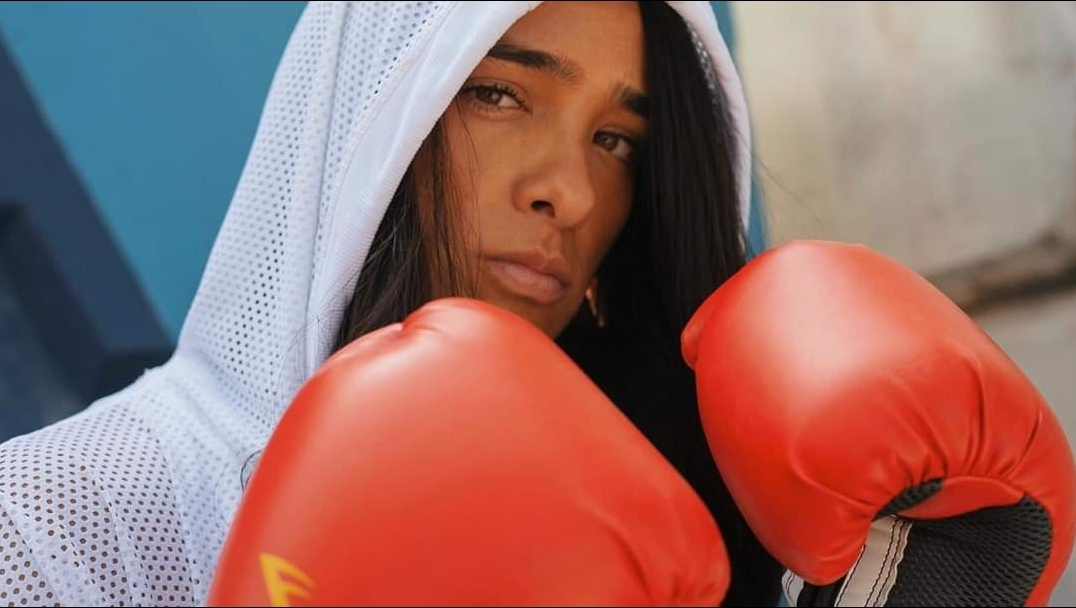
Rasha’s relationship with boxing began while she was pursuing graduate studies in Los Angeles. She had moved to the United States for two reasons. The first was education. The second was personal growth: to experience different cultures, meet people, and expand herself beyond the classroom. But during her first semester, she said she became reclusive and overwhelmed by academic pressure. That moment pushed her back toward sport.
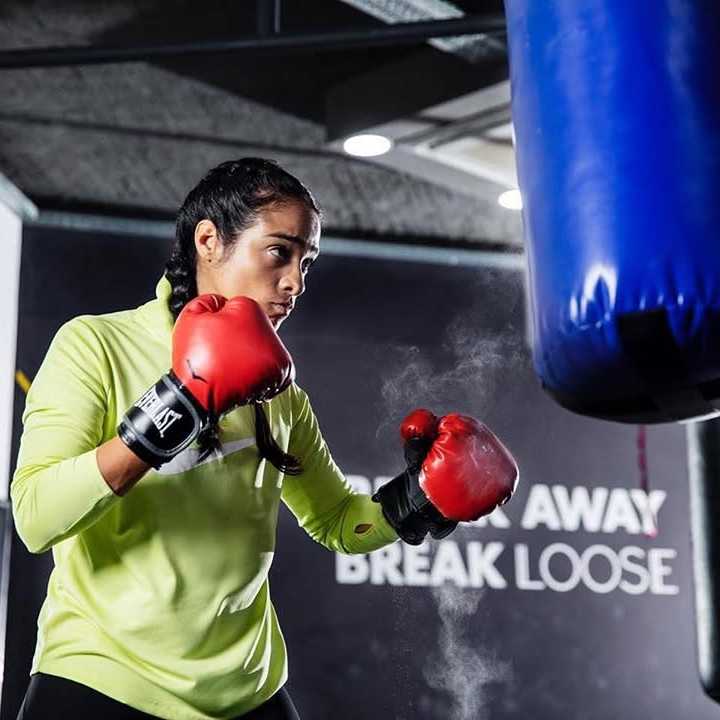
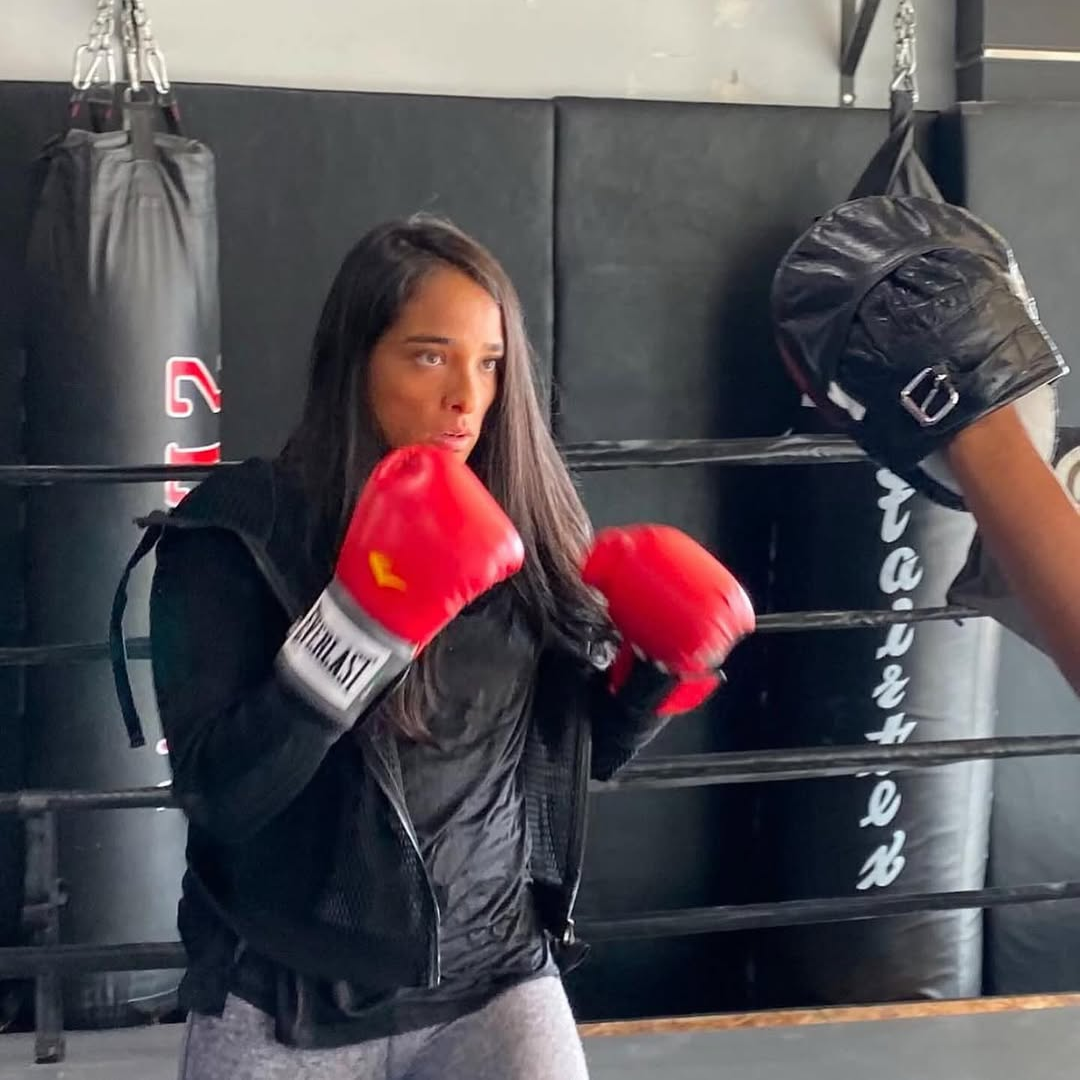
She explored different activities and found boxing. At first, it was fitness boxing. After two weeks, she said boxing helped her regain rhythm. Then she moved from fitness boxing into actual boxing and competed around four times over two years. For Rasha, boxing was not only a physical activity. It became a source of focus. It helped her manage pressure. It gave her structure at a time when she needed it.
Returning to Saudi for the Vision 2030 Sports Wave
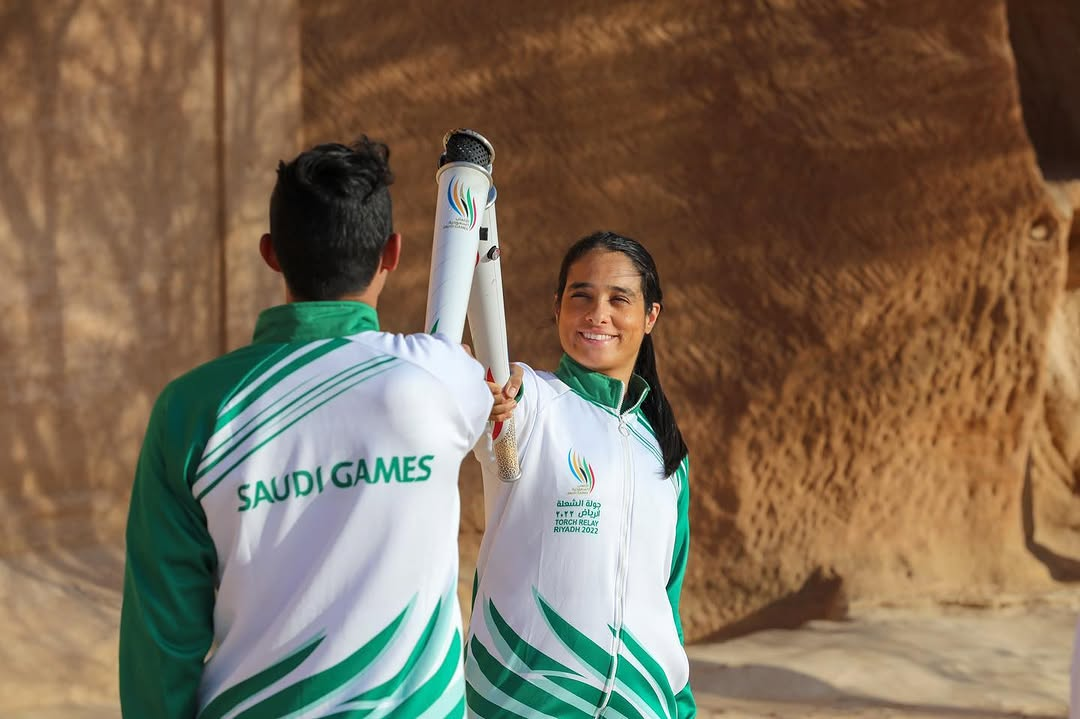
Rasha returned from California to Saudi Arabia in 2017. She wanted to be part of the Vision 2030 wave instead of being a spectator. For her, the decision was bigger than career timing. It was about service. She has described Vision 2030 as a platform for Saudis to give back to their country and help build its future. She believed she could contribute to the movement growing sports across the Kingdom. She also viewed this period as a golden era for Saudi sport.
That national lens is important. Rasha’s sports career did not develop separately from Saudi Arabia’s transformation. It grew with it. Her background supported that direction. She earned a bachelor’s degree in Business Administration and Management from King Saud University and a master’s degree in Public Policy and Management from the University of Southern California.
She also built experience across consulting, sports, entertainment, government affairs, and strategy. Her career includes work with EY, McKinsey & Company, Octagon, Roland Berger, the Saudi Boxing Federation, the International Boxing Association, the Asian Boxing Confederation, and the Saudi Mixed Martial Arts Federation. This mix proves how Rasha brings athlete experience, policy education, and strategy work into sport governance.
Building Saudi Boxing from the Inside
Rasha’s boxing leadership became one of the clearest examples of her sports impact. Her boxing journey also made history: Rasha became the first Saudi woman certified as a boxing coach by the Saudi Boxing Federation. It was a milestone that helped open the door for more women to train, coach, and compete in Saudi combat sports.
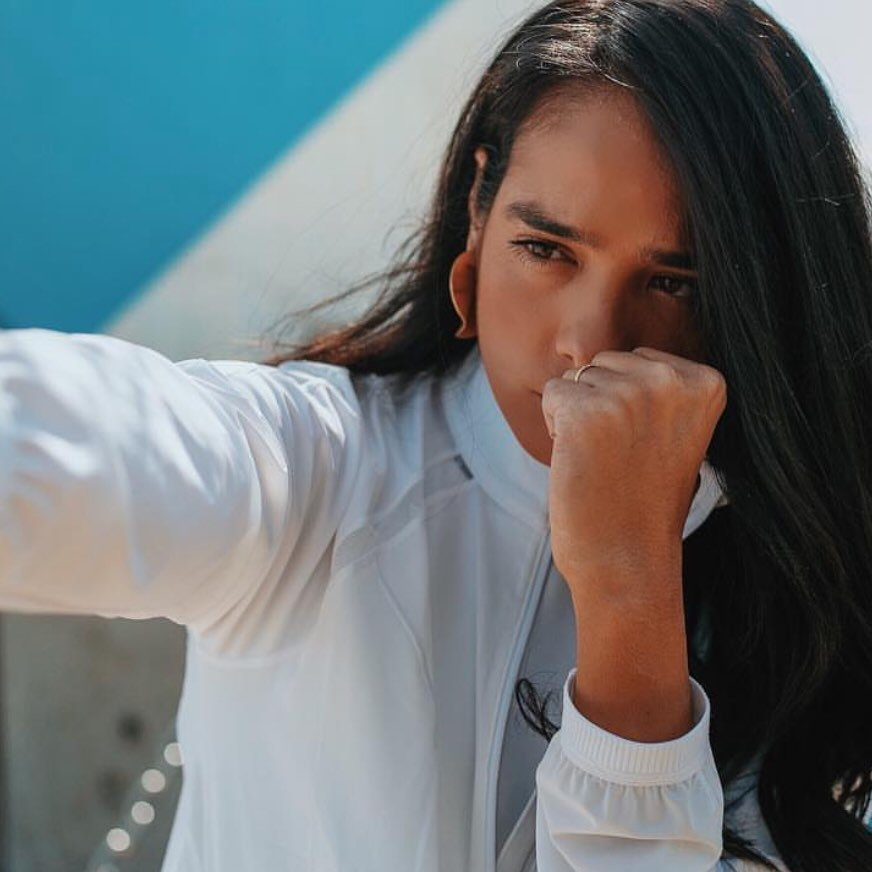
She later served as a Board Member of the Saudi Boxing Federation from February 2019 to March 2021, then as Vice President of the Board of Directors from March 2021 to March 2025. During this period, major boxing events helped accelerate the local ecosystem. After the 2019 Anthony Joshua vs. Andy Ruiz fight in Saudi Arabia, Rasha highlighted major growth across the sport: Saudi boxing athletes grew by 300%, fitness boxing participation grew by 18,000, and boxing clubs grew by 50%.
These numbers show why international events matter when they connect to local development. A major fight can bring global attention. But its deeper value is what happens after the lights go down. More young people enter gyms. More clubs open. More athletes imagine themselves competing. A story Rasha shared captures this impact clearly:
“A friend had been trying to convince her nine-year-old son to try fitness boxing for almost three years. After attending Rage on the Red Sea, he asked her to cancel all his other extracurricular activities because he wanted to become a boxer.”
That is the real impact of visibility. A child sees a world-class athlete in Saudi Arabia and suddenly believes the sport is possible.
Taking Boxing Beyond the Major Cities
Rasha’s view of sports growth was not limited to Riyadh, Jeddah, and Dammam. During her time with the Saudi Boxing Federation, the federation hosted around nine competitions and six qualification events over a two-year period. It also expanded into cities that had not previously hosted boxing competitions, including Taif and Qatif.
The logic was simple and powerful: instead of waiting for athletes to come to the main cities, the federation would go to them. This approach matters for inclusion. Talent is not limited to the biggest urban centers. The next Saudi champion may come from a smaller city, a local gym, or a young athlete who only needs the right platform to be seen. By expanding competitions and qualifications across regions, boxing became more accessible. It moved closer to families, coaches, clubs, and young athletes. That is how participation becomes a pipeline.
Creating Platforms for Saudi Fighters
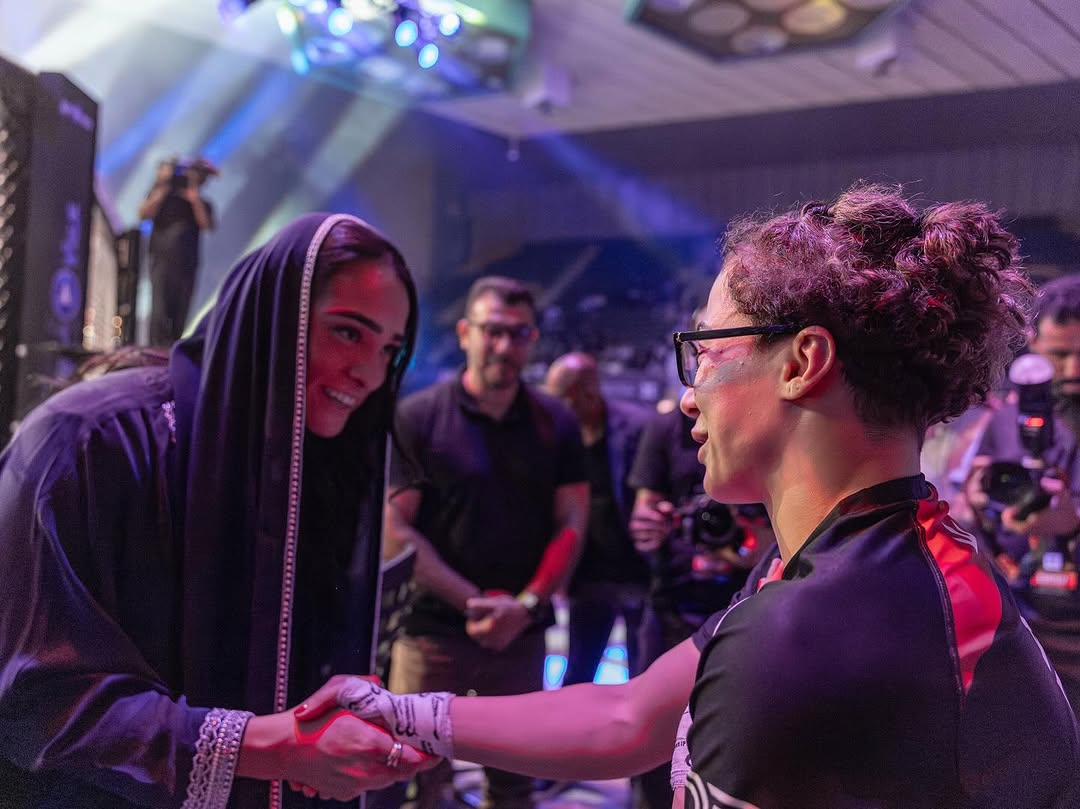
Rasha also understood the value of competition platforms. She made a clear distinction between amateur and professional boxing. For amateurs, she emphasized qualifications, national competitions, and structured talent identification. For professional boxing, she said exhibition bouts give athletes a friendly space to showcase their talent, gain courage, and build confidence.
She also spoke proudly about Saudi athletes appearing around major boxing events. In connection with the Jake Paul vs. Tommy Fury event, she mentioned Saudi Boxing Federation athletes and highlighted Ragad Al-Naimi as a female fighter representing Saudi Arabia internationally. This is important because representation changes expectations. When Saudi fighters appear on major platforms, they are not only competing. They are showing younger athletes what is possible. They are proving that Saudi combat sports can move from local participation to international exposure.
From Boxing to MMA Federation Leadership
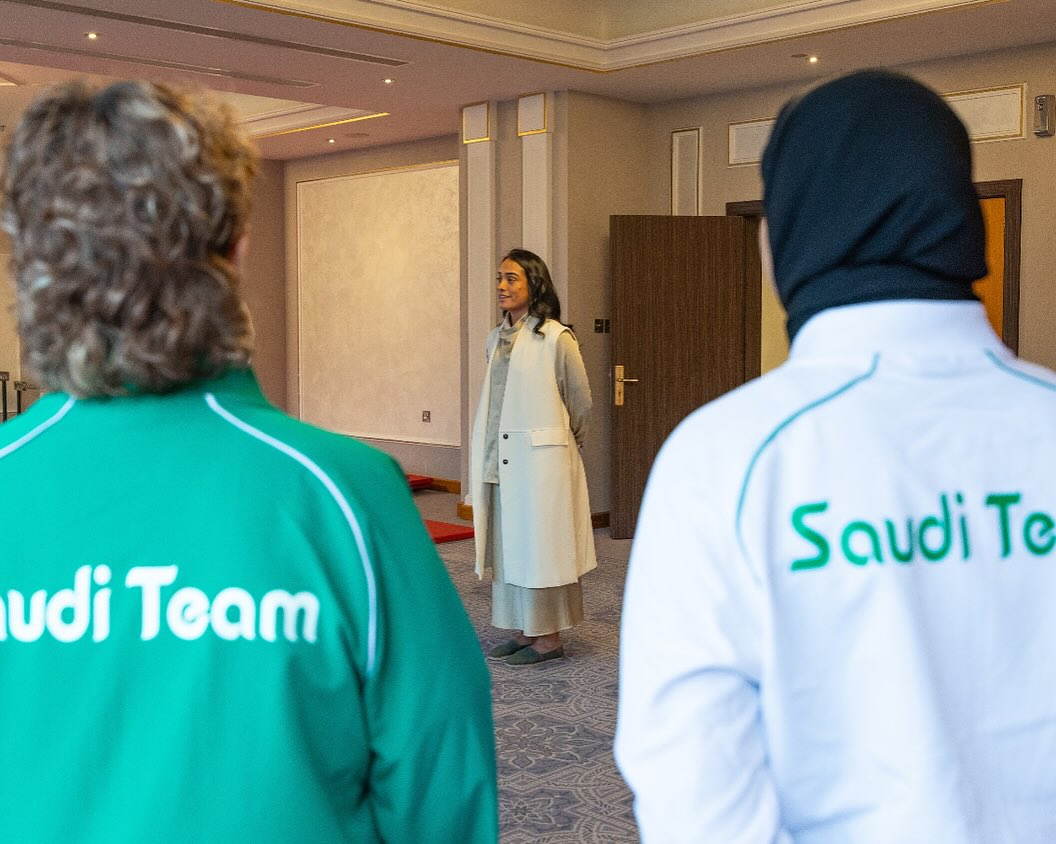
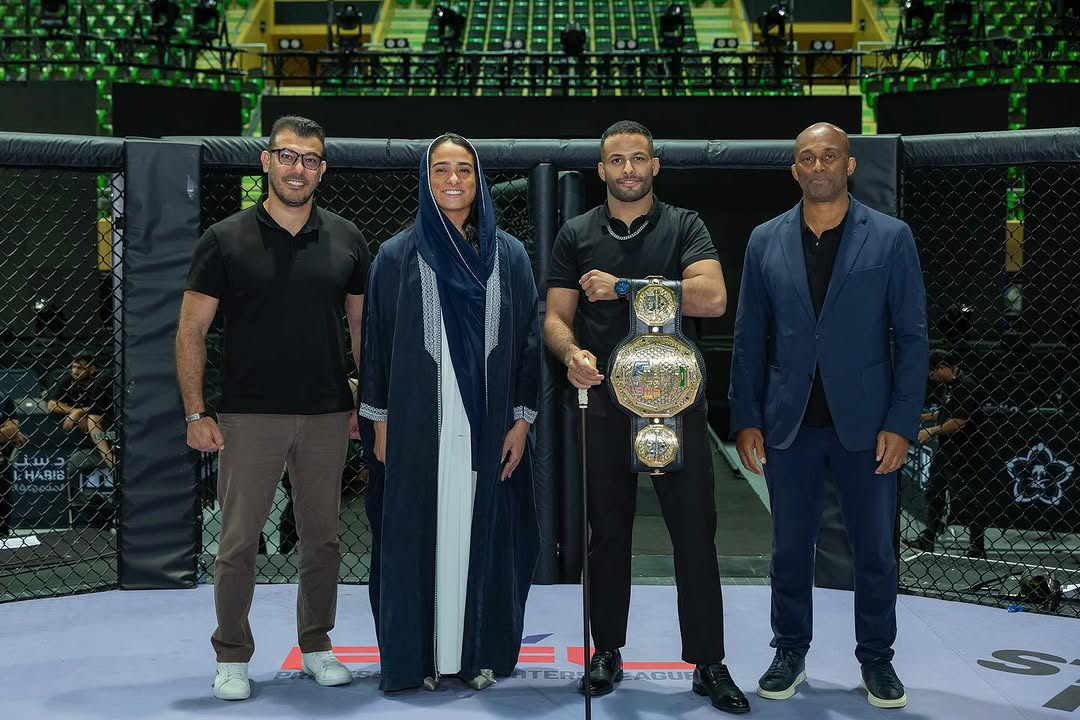
Rasha’s move into mixed martial arts is not a break from her boxing journey. It is the next chapter in her work to build Saudi combat sports. Since March 2025, she has served as Chairwoman of the Saudi Mixed Martial Arts Federation. Her leadership now extends beyond boxing into a wider combat sports ecosystem that includes athlete development, federation governance, women’s participation, and international representation.
She also serves as a Board Member of Club AlUla since October 2024 and holds international responsibilities with IMMAF, the International Mixed Martial Arts Federation, including board and women’s committee work. This progression matters. Boxing gave Rasha the foundation. MMA gives her a broader platform to help shape the future of combat sports in Saudi Arabia. MMA requires more than excitement around fights. It needs safe athlete pathways, coaching systems, governance, women’s participation, grassroots development, event quality, and international credibility.
Rasha’s background fits that challenge. She has competed. She has coached and led within boxing. She has worked in strategy and public policy. She has helped think about federation development, athlete preparation, and national sports growth. Her new MMA role builds on the same mission: to grow Saudi combat sports with structure, ambition, and inclusion.
A Bigger Dream in Saudi Sport
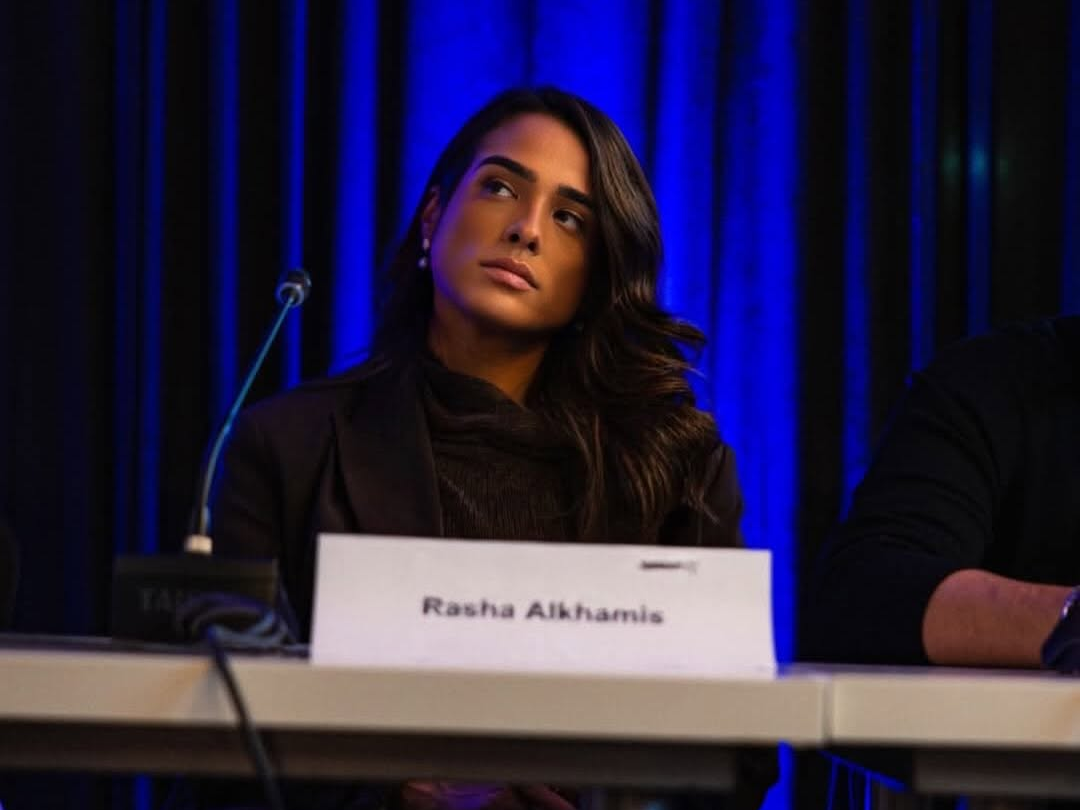
Rasha Alkhamis’ journey shows that the Kingdom’s sports future will not be built only by athletes in the ring, on the mat, or on the field. It will also be built by coaches, federation leaders, event organizers, strategists, analysts, sports psychologists, founders, and young Saudis who see sport as a serious career path.
“Never give up if you have a dream and Saudi is growing and you can dream big and be part of a bigger dream in Saudi.”
Her story began with a simple belief: sport is for all. Today, that belief is part of a much larger national movement. Saudi Arabia is not only hosting the world. It is preparing its people to compete, lead, and build. And in the growing world of Saudi combat sports, Rasha Alkhamis is helping create the pathways for the next generation to step forward.
Follow Riyada Hub for real sports progress, sharp insights, and weekly inspiration.


